


Calcium deficiency worldwide: prevalence of inadequate intakes and associated health outcomes
- PMID: 35247225
- PMCID: PMC9311836
- DOI: 10.1111/nyas.14758
Calcium deficiency worldwide: prevalence of inadequate intakes and associated health outcomes
Abstract
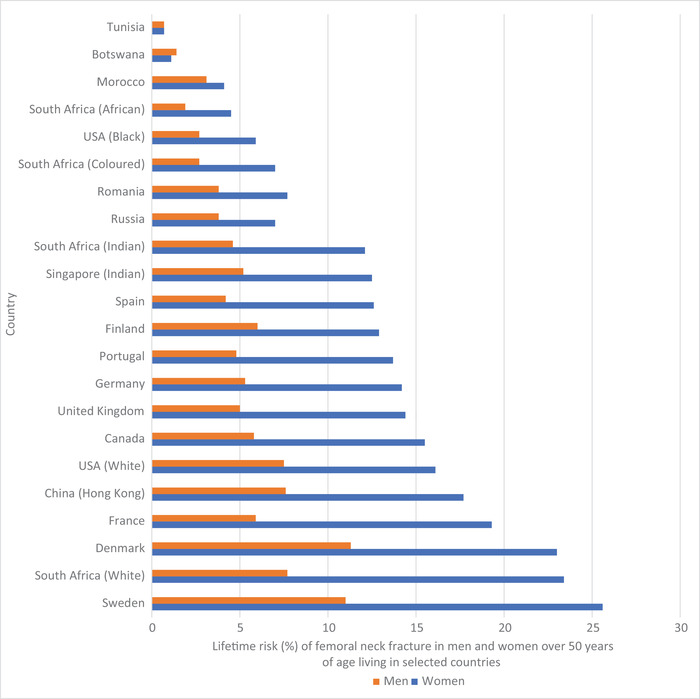
Dietary calcium deficiency is considered to be widespread globally, with published estimates suggesting that approximately half of the world's population has inadequate access to dietary calcium. Calcium is essential for bone health, but inadequate intakes have also been linked to other health outcomes, including pregnancy complications, cancers, and cardiovascular disease. Populations in low- and middle-income countries (LMICs) are at greatest risk of low calcium intakes, although many individuals in high-income countries (HICs) also do not meet recommendations. Paradoxically, many LMICs with lower calcium intakes show lower rates of osteoporotic fracture as compared with HICs, though data are sparse. Calcium intake recommendations vary across agencies and may need to be customized based on other dietary factors, health-related behaviors, or the risk of calcium-related health outcomes. The lack of standard methods to assess the calcium status of an individual or population has challenged efforts to estimate the prevalence of calcium deficiency and the global burden of related adverse health consequences. This paper aims to consolidate available evidence related to the global prevalence of inadequate calcium intakes and associated health outcomes, with the goal of providing a foundation for developing policies and population-level interventions to safely improve calcium intake and status where necessary.
Keywords: calcium; calcium deficiency; calcium paradox; osteoporosis.
© 2022 The Authors. Annals of the New York Academy of Sciences published by Wiley Periodicals LLC on behalf of New York Academy of Sciences.
Conflict of interest statement
The authors declare no competing interests.
Figures
References
-
- Office of Dietary Supplements ‐ Calcium. Accessed July 7, 2021. https://ods.od.nih.gov/factsheets/Calcium‐HealthProfessional/.
-
- Anderson, J.J.B. , Kruszka B., Delaney J.A.C., et al. 2016. Calcium intake from diet and supplements and the risk of coronary artery calcification and its progression among older adults: 10‐year follow‐up of the multi‐ethnic study of atherosclerosis (MESA). J. Am. Heart Assoc. 5: e003815. - PMC - PubMed
Publication types
MeSH terms
Substances
LinkOut - more resources
Full Text Sources
Medical
