


The impact of the COVID-19 pandemic on the continuity of care for at-risk patients in Swiss primary care settings: A mixed-methods study
- PMID: 35247784
- PMCID: PMC8868005
- DOI: 10.1016/j.socscimed.2022.114858
The impact of the COVID-19 pandemic on the continuity of care for at-risk patients in Swiss primary care settings: A mixed-methods study
Abstract
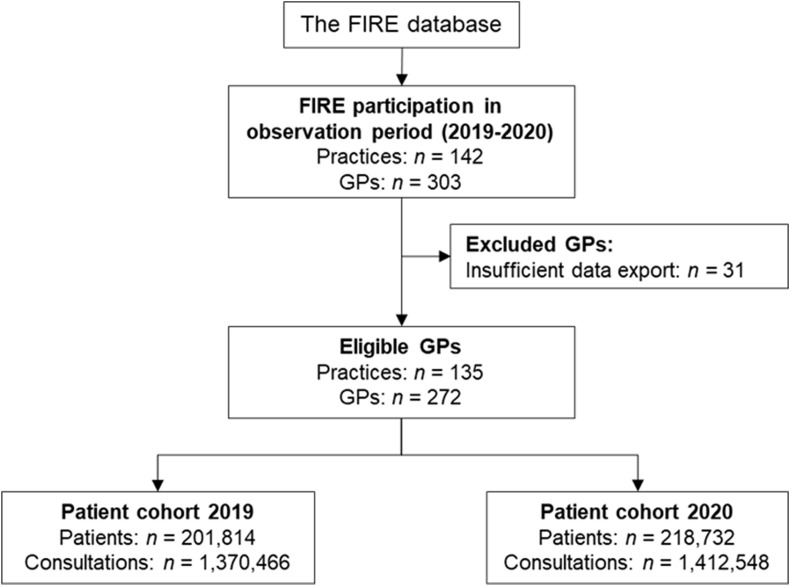
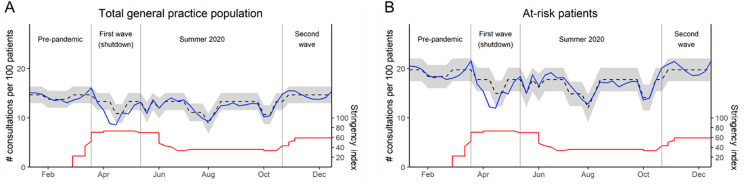
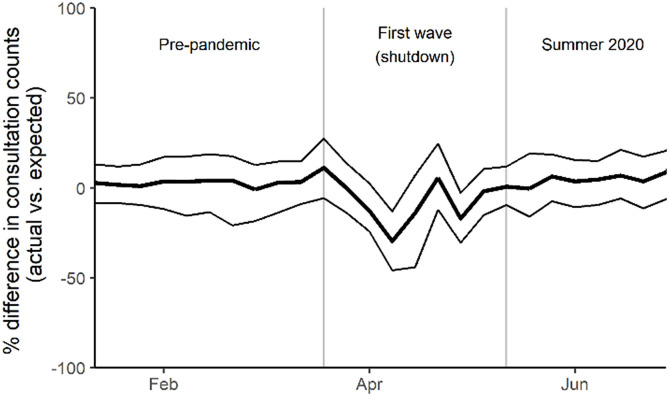
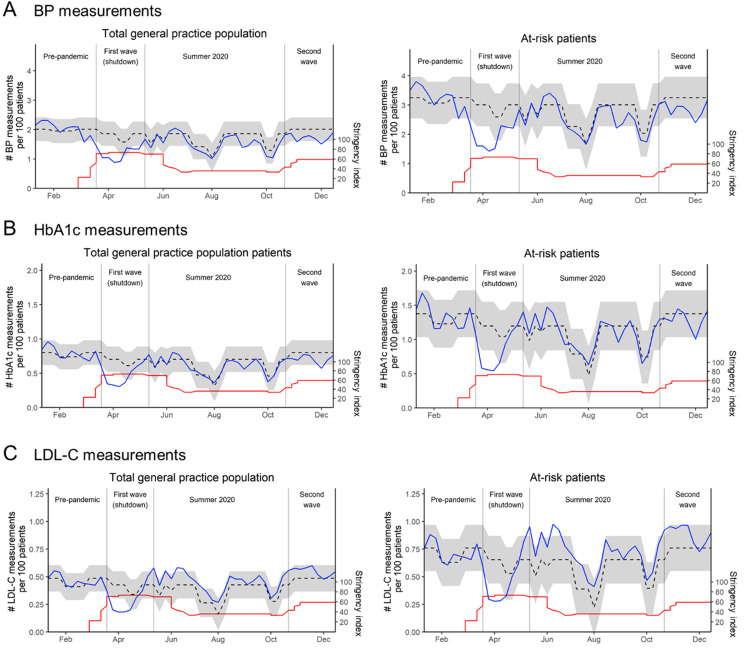
Continuity of care is important for the health of aging individuals with comorbidities. When initial coronavirus mitigation campaigns involved messaging such as "Stay at home-stay safe," and banned provision of non-urgent care, at-risk patients depending upon regular consultations with general practitioners (GPs) faced confusion about the possibility of seeking non-COVID-19 related healthcare. We employed a sequential explanatory mixed-methods design, consisting of a quantitative component followed by a qualitative component, to understand at-risk patients' health services use during the COVID-19 pandemic in Switzerland. Quantitatively, we used electronic medical records data from 272 GPs and 266,796 patients. Based on pre-pandemic data, we predicted weekly consultation counts as well as weekly measurement counts (blood pressure, glycated hemoglobin, and low-density lipoprotein cholesterol) per 100 patients that would be expected in 2020 in absence of a pandemic and compared those to actual observed values. Qualitatively, we conducted 23 semi-structured interviews with 24 GPs (∼45 min) and 37 interviews with at-risk patients (∼35 min). Quantitative results demonstrate a significant decrease in consultation and measurement counts during the first shutdown period, with consultation counts quickly returning to normal and moving within expected values for the rest of 2020. Qualitative data contextualize these findings with GPs describing constantly implementing material, administrative, and communication changes. GPs reported communication gaps with the authorities and noted a lack of clear guidelines delineating how to define "at-risk patients" and what cases were "urgent" to treat during shutdowns. Patient interviews show that patient-level factors, such as fear of contracting coronavirus, perceptions that GPs were overburdened, and a sense of solidarity, influenced patients' decisions to consult less at the beginning of the pandemic. Findings demonstrate communication gaps during pandemic periods and provide valuable lessons for future pandemic preparedness, particularly the need for contingency plans for the overall healthcare system instead of plans focusing only on the infectious agent itself.
Keywords: COVID-19; Continuity of care; Health services research; Health services use; Mixed-methods; Primary care; Risk patients.
Copyright © 2022 The Authors. Published by Elsevier Ltd.. All rights reserved.
Conflict of interest statement
The authors declare that the research was conducted in the absence of any commercial or financial relationships that could be construed as a potential conflict of interest.
Figures
References
-
- Chmiel C., Bhend H., Senn O., Zoller M., Rosemann T. The FIRE project: a milestone for research in primary care in Switzerland. Swiss Med. Wkly. 2011;140:w13142. - PubMed
