


Role of lncRNA FAM83H antisense RNA1 (FAM83H-AS1) in the progression of non-small cell lung cancer by regulating the miR-545-3p/heparan sulfate 6-O-sulfotransferase (HS6ST2) axis
- PMID: 35260044
- PMCID: PMC8973780
- DOI: 10.1080/21655979.2022.2031668
Role of lncRNA FAM83H antisense RNA1 (FAM83H-AS1) in the progression of non-small cell lung cancer by regulating the miR-545-3p/heparan sulfate 6-O-sulfotransferase (HS6ST2) axis
Abstract
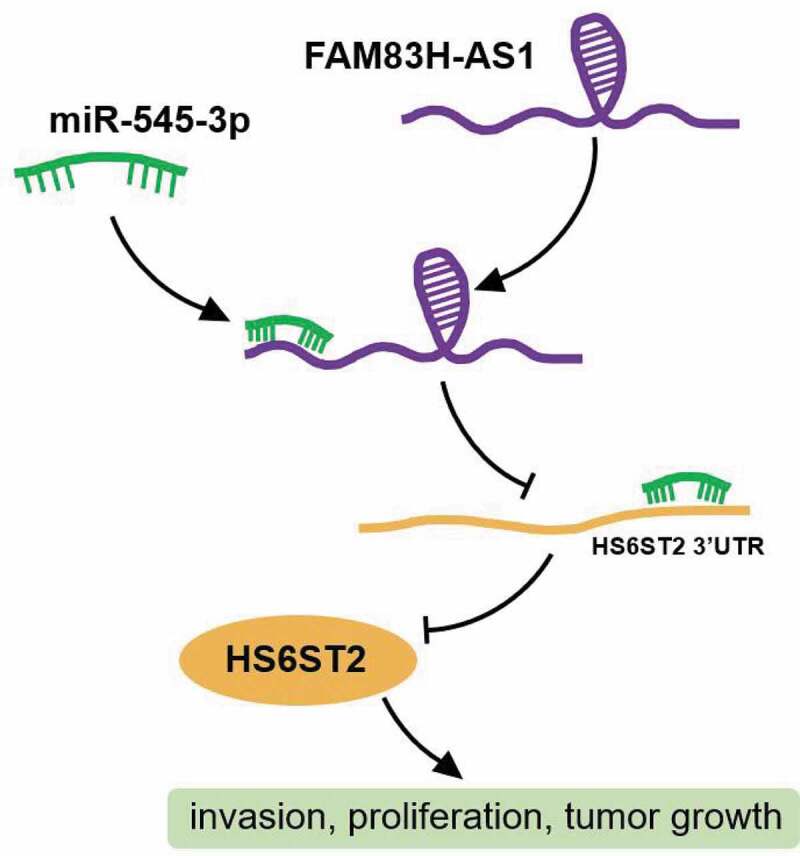
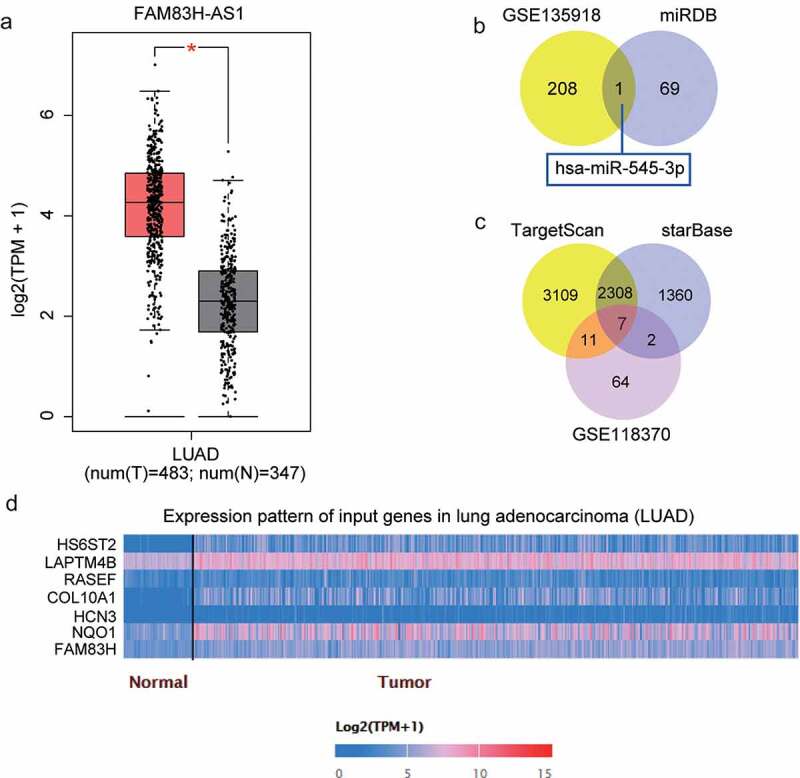
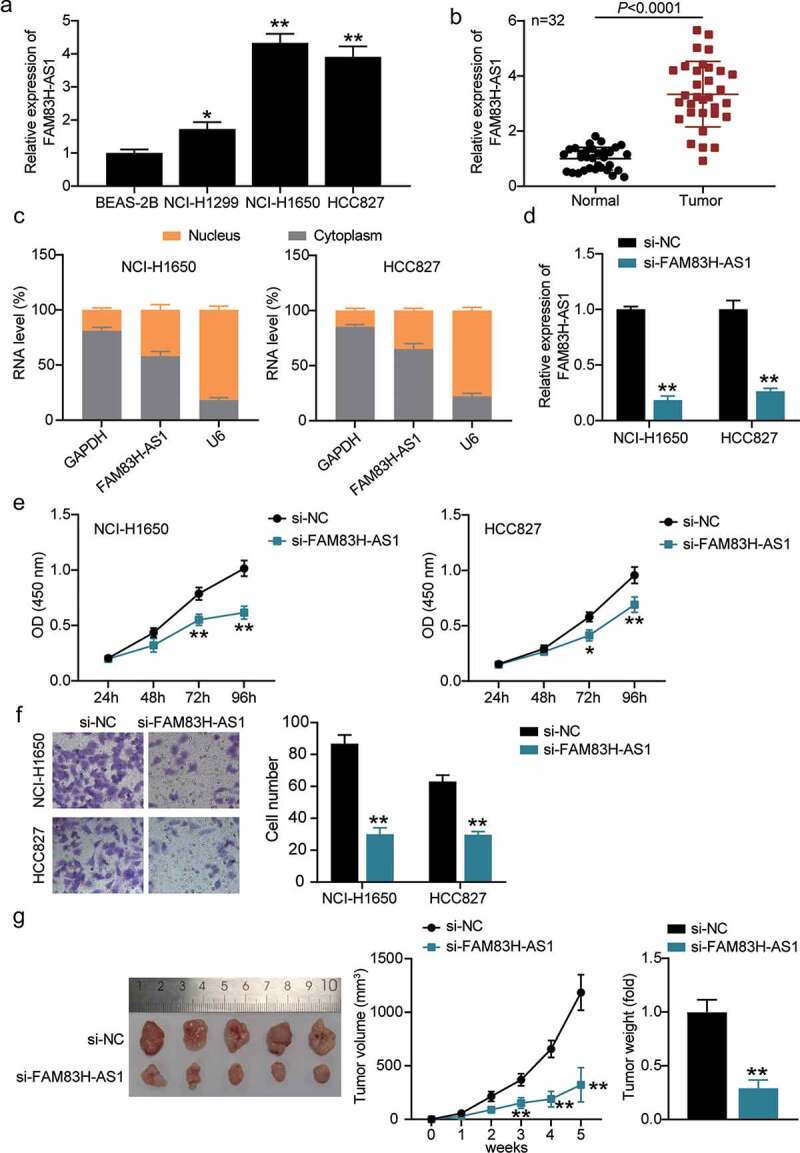
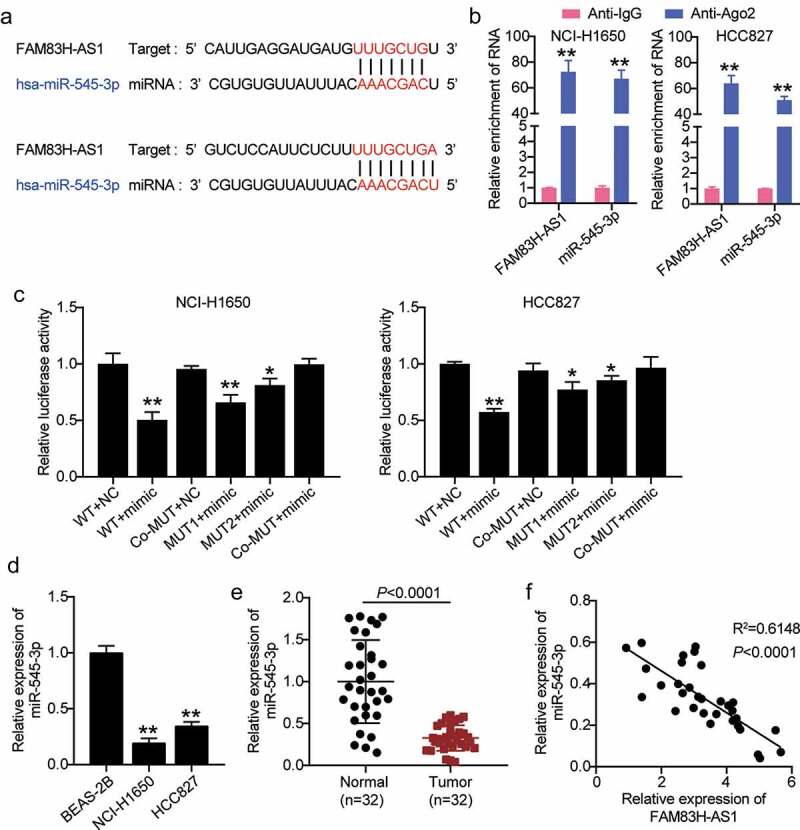
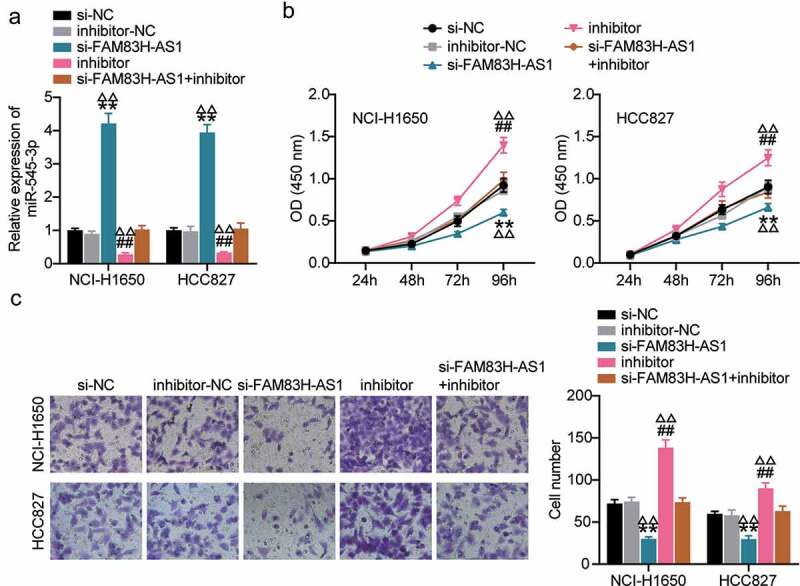
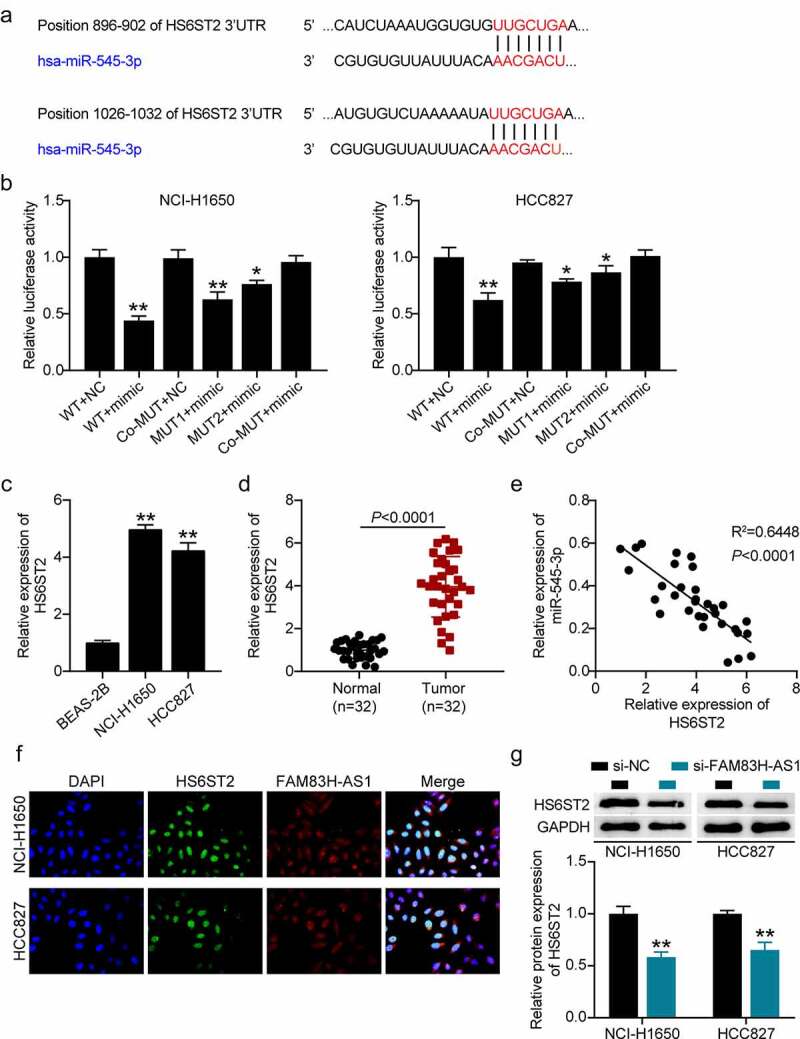
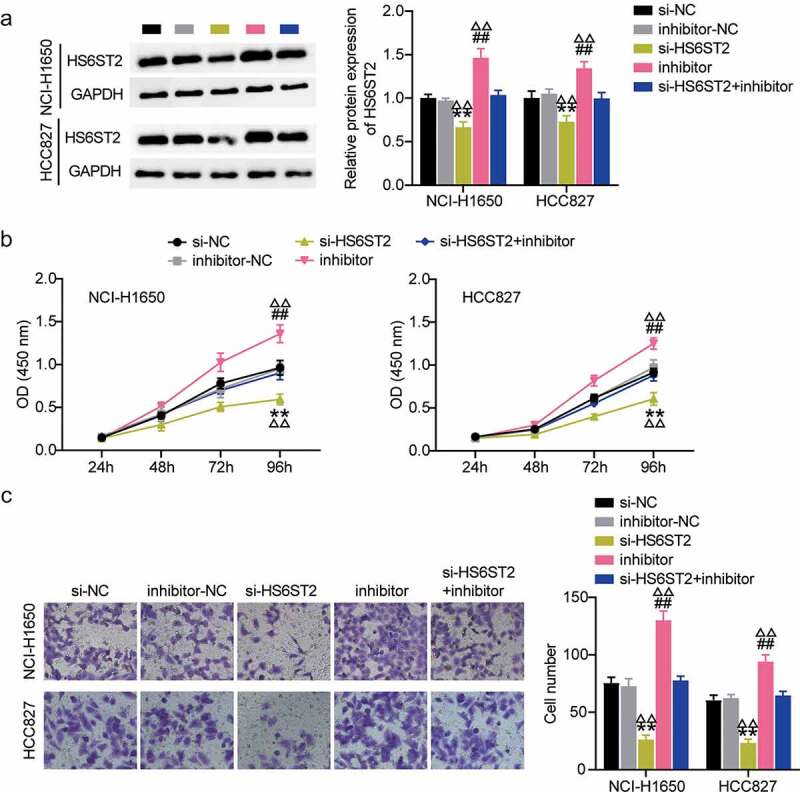
Long non-coding RNAs (lncRNAs) are crucial regulators of cancer pathogenesis and are potentially useful diagnostic and prognostic biomarker tools. FAM83H antisense RNA1 (FAM83H-AS1) has been reported to be a vital regulator of different cancers; however, little attention has been paid to its significance in lung cancer. Non-tumorigenic lung cell line BEAS-2B and adenocarcinoma lung cancer cell lines NCI-H1299 and HCC827 were used in the present study. In addition, RNA immunoprecipitation, Western blotting, quantitative reverse transcription-PCR (qRT-PCR), and luciferase reporter assays were used to dissect the role of FAM83H-AS1 in lung cancer progression. The results revealed that FAM83H-AS1 is highly expressed in lung cancer tissues, and its knockdown inhibits lung cancer cell invasion and proliferation reducing tumor growth in vivo. Besides, we found that FAM83H-AS1 targets miR-545-3p, and a negative correlation exists between their expression in lung cancer tissues. Simultaneously, miR-545-3p negatively regulates heparan sulfate 6-O-sulfotransferase (HS6ST2). Moreover, inhibition of miR-545-3p promoted HS6ST2 protein expression and lung cancer cell invasion. FAM83H-AS1 favors non-small cell lung cancer by targeting the miR-545-3p/HS6ST2 axis, supporting the possibility of developing FAM83H-AS1 as a target for NSCLC intervention.
Keywords: FAM83H-AS1; HS6ST2; Lung cancer; NSCLC; miR-545-3p.
Conflict of interest statement
No potential conflict of interest was reported by the author(s).
Figures
References
-
- Siegel RL, Miller KD, Jemal A. Cancer statistics, 2015. CA Cancer J Clin. 2015;65(1):5–29. - PubMed
-
- Motoi N, Szoke J, Riely GJ, et al. Lung adenocarcinoma: modification of the 2004 WHO mixed subtype to include the major histologic subtype suggests correlations between papillary and micropapillary adenocarcinoma subtypes, EGFR mutations and gene expression analysis. Am J Surg Pathol. 2008;32(6):810–827. - PubMed
MeSH terms
Substances
LinkOut - more resources
Full Text Sources
Other Literature Sources
Medical
Molecular Biology Databases
Miscellaneous
