


Urbanization influences the distribution, enrichment, and ecological health risk of heavy metals in croplands
- PMID: 35264644
- PMCID: PMC8907202
- DOI: 10.1038/s41598-022-07789-x
Urbanization influences the distribution, enrichment, and ecological health risk of heavy metals in croplands
Abstract
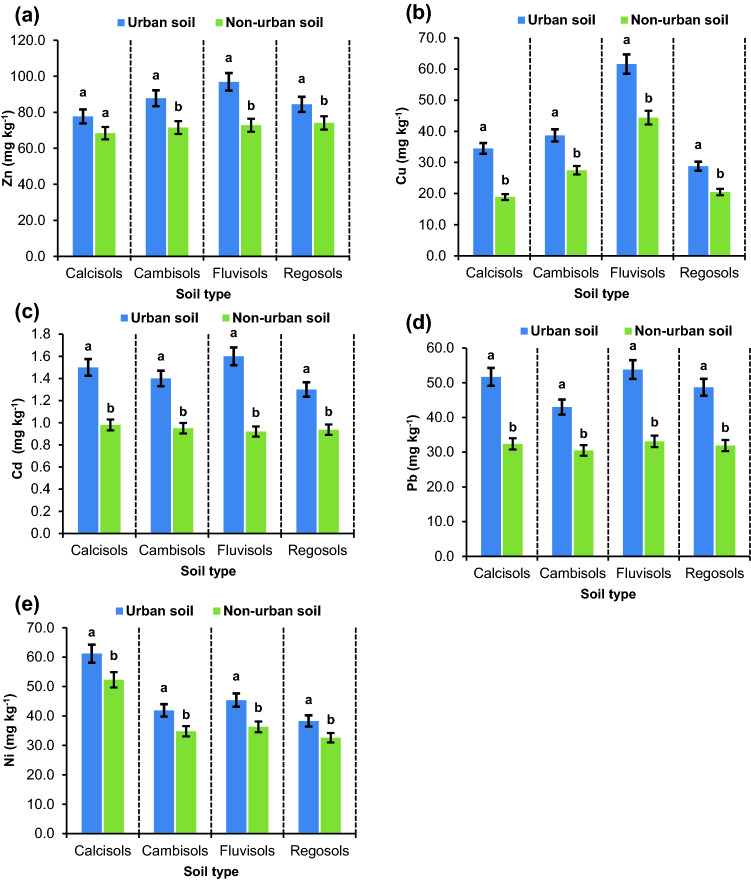
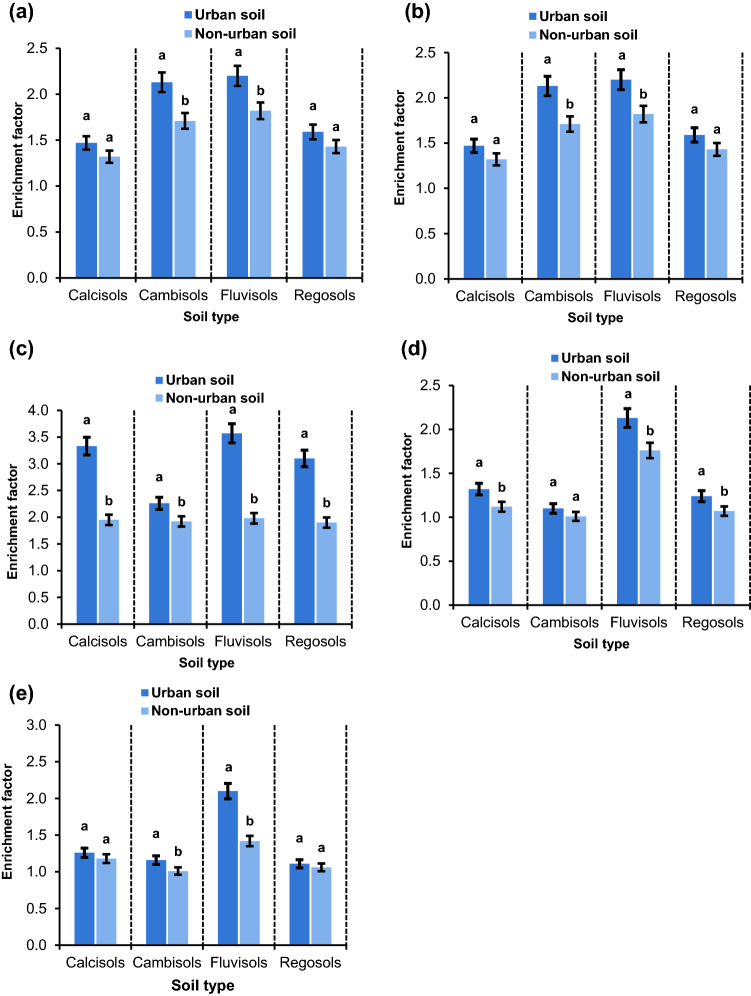
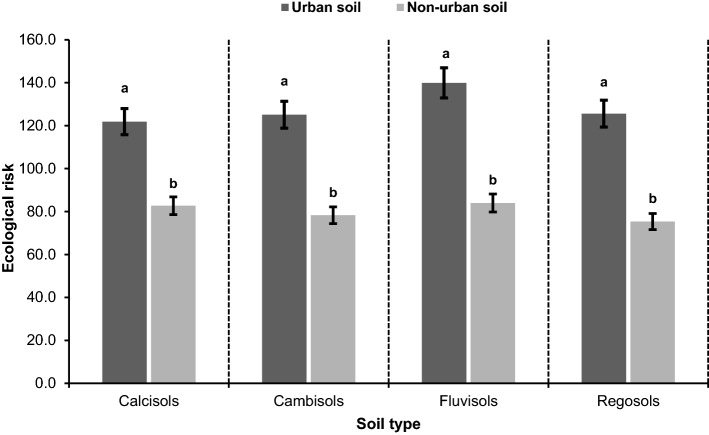
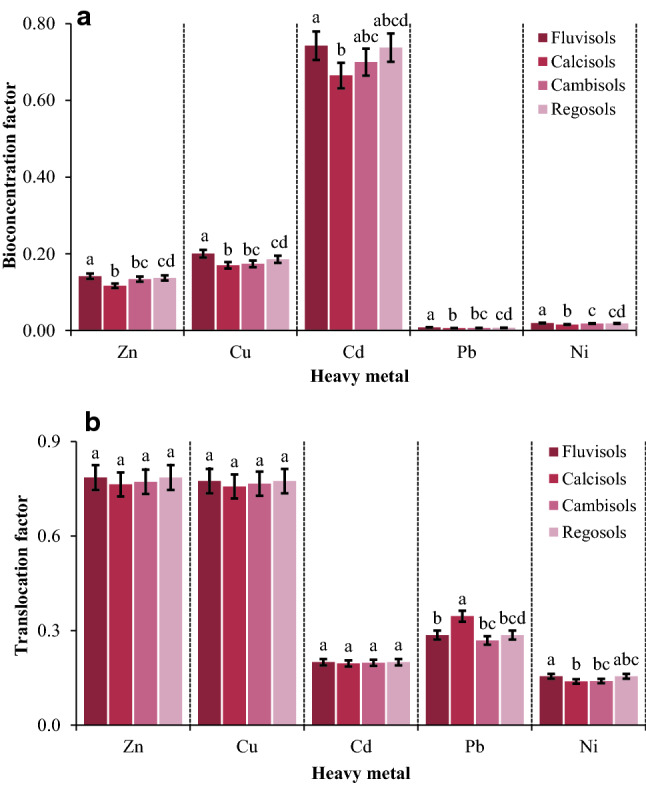
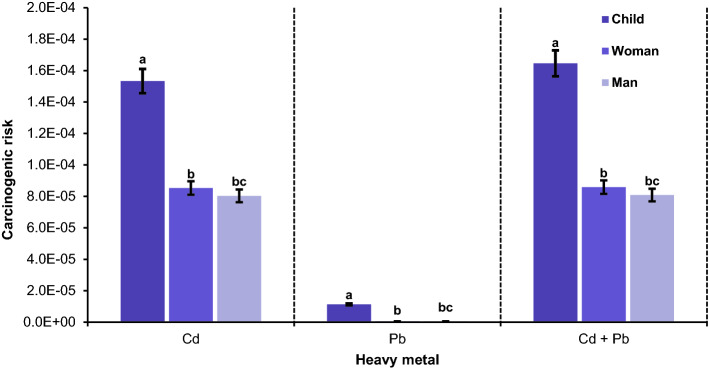
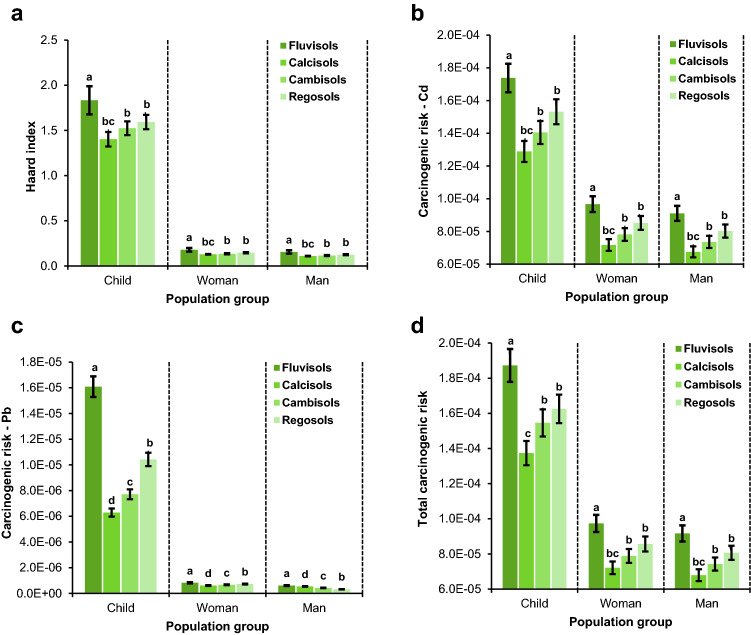
The contamination of urban soils with heavy elements due to the rapid development of urbanization and urban services has become a major environmental and human health challenge. This study provides insight into the urbanization controls on combined pollution severity and health risk potential of heavy metals in corn-cultivated urban versus non-urban soils. A multifaceted assessment was conducted using enrichment factor (EF), ecological risk (ER), bioconcentration factor (BCF), transmission factor (TF), hazard index (HI), and carcinogenic risk (CR). The results indicate a significant increase in the concentration of all metals in urban farmlands. When compared to the non-urban soils, EF implies a significant increase of all metals in the urban soil, downgrading this index from minimal enrichment (EF < 2) in the control soils to moderate enrichment (2 ≤ EF < 5) in the urban soils. Likewise, the average ER value showed an increase in the urban soils than in the control soils in the order of Fluvisols (66.6%) > Regosols (66.1%) > Cambisols (59.8%) > Calcisols (47%). The BCF and TF values for different elements decreased in the order of Cd (0.41-0.92) > Cu (0.1-0.23) > Zn (0.1-0.18) > Ni (0.01-0.03) > Pb (0.005-0.011) and Zn (0.75-0.94) > Cu (0.72-0.85) > Pb (0.09-0.63) > Cd (0.17-0.22) > Ni (0.01-0.21), respectively, which indicates that certain metals were not mobilized to the extent that they had been accumulated in the plant roots. The total carcinogenic risk was ranged from 5.88E-05 to 1.17E-04 for children and from 1.17E-04 to 2.30E-04 for adults, which implies a greater associated health risk for children.
© 2022. The Author(s).
Conflict of interest statement
The authors declare no competing interests.
Figures
References
-
- Gu Y-G, Gao Y-P. Bioaccessibilities and health implications of heavy metals in exposed-lawn soils from 28 urban parks in the megacity Guangzhou inferred from an in vitro physiologically-based extraction test. Ecotoxicol. Environ. Saf. 2018;148:747–753. doi: 10.1016/j.ecoenv.2017.11.039. - DOI - PubMed
-
- Mamehpour, N., Rezapour, S. & Ghaemian, N. Quantitative assessment of soil quality indices for urban croplands in a calcareous. Geoderma382, 114781 (2021).
-
- Kabata-Pendias, A. Trace elements in soils and plants. (CRC press, 2000).
-
- Nations, U. Revision of world urbanization prospects. United Nations: New York, NY, USA (2018).
Publication types
MeSH terms
Substances
LinkOut - more resources
Full Text Sources
Miscellaneous
