


A Nomogram for Predicting In-Stent Restenosis Risk in Patients Undergoing Percutaneous Coronary Intervention: A Population-Based Analysis
- PMID: 35264881
- PMCID: PMC8901259
- DOI: 10.2147/IJGM.S357250
A Nomogram for Predicting In-Stent Restenosis Risk in Patients Undergoing Percutaneous Coronary Intervention: A Population-Based Analysis
Abstract
Objective: In-stent restenosis (ISR) is a fatal complication of percutaneous coronary intervention (PCI). An early predictive model with the medical history of patients, angiographic characteristics, inflammatory indicators and blood biochemical index is urgently needed to predict ISR events. We aim to establish a risk prediction model for ISR in CAD patients undergoing PCI.
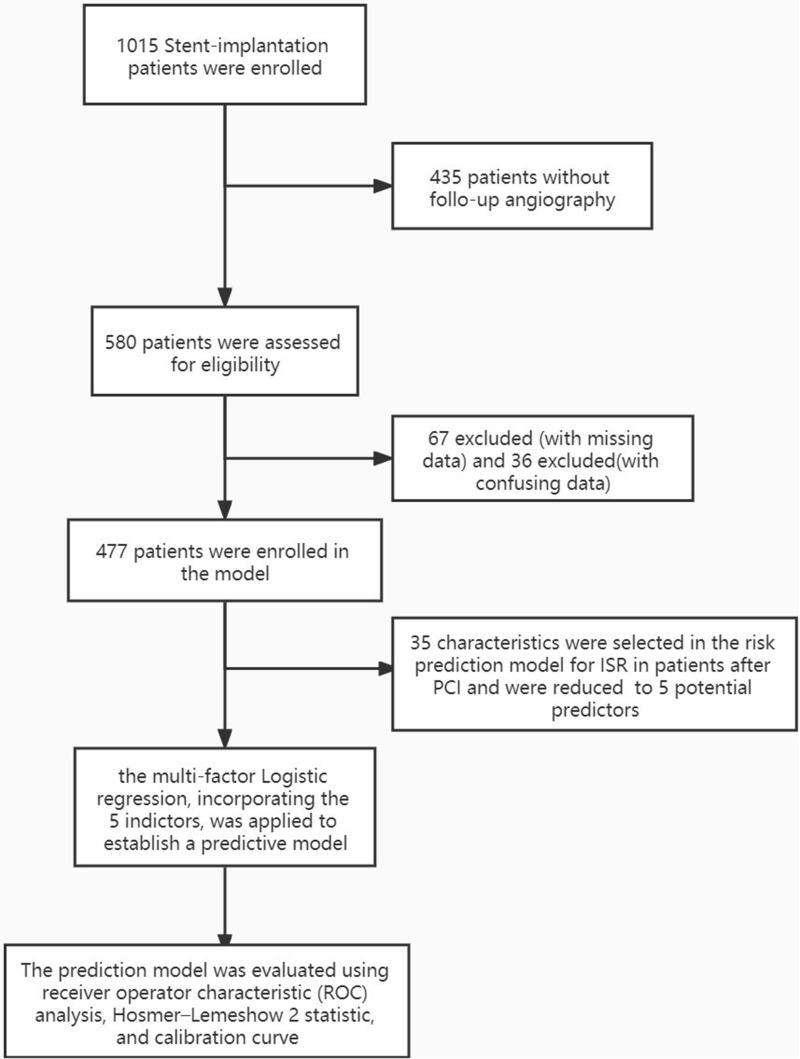
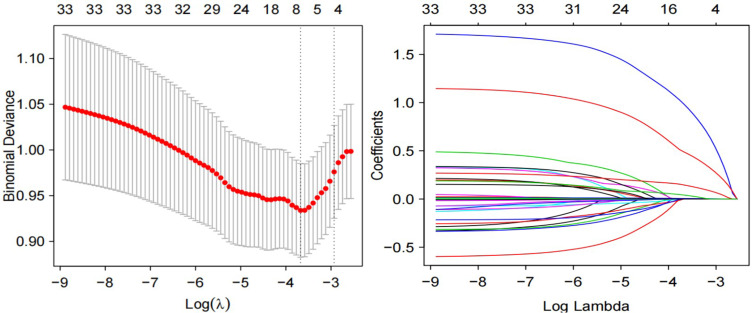
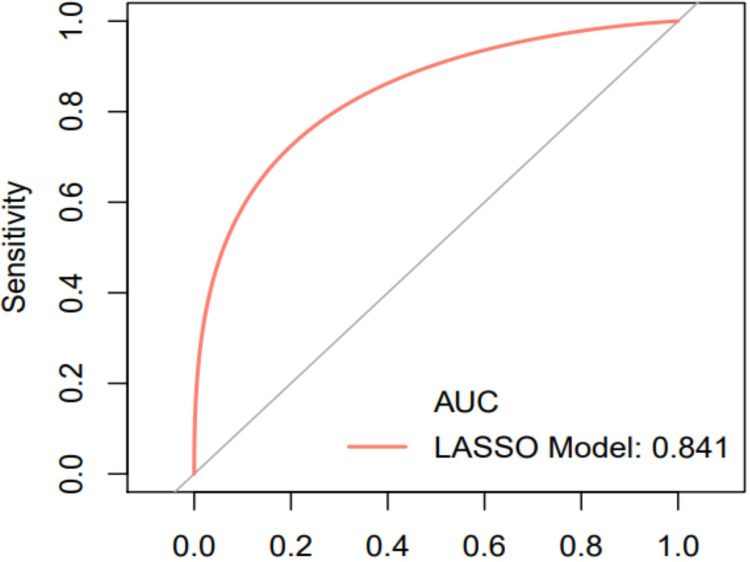
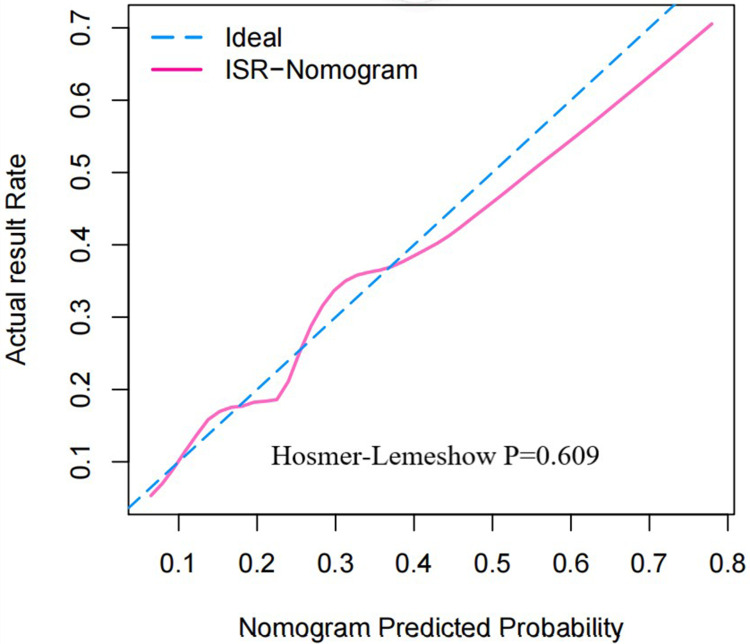
Methods: A total of 477 CAD patients who underwent PCI with DES (drug-eluting stents) between January 2017 and December 2020 were retrospectively enrolled. And the preoperative factors were compared between the non-ISR and ISR groups. The least absolute shrinkage and selection operator (LASSO) and multi-factor logistic regression were used for statistical analysis. The prediction model was evaluated using receiver operator characteristic (ROC) analysis, the Hosmer-Lemeshow 2 statistic, and the calibration curve.
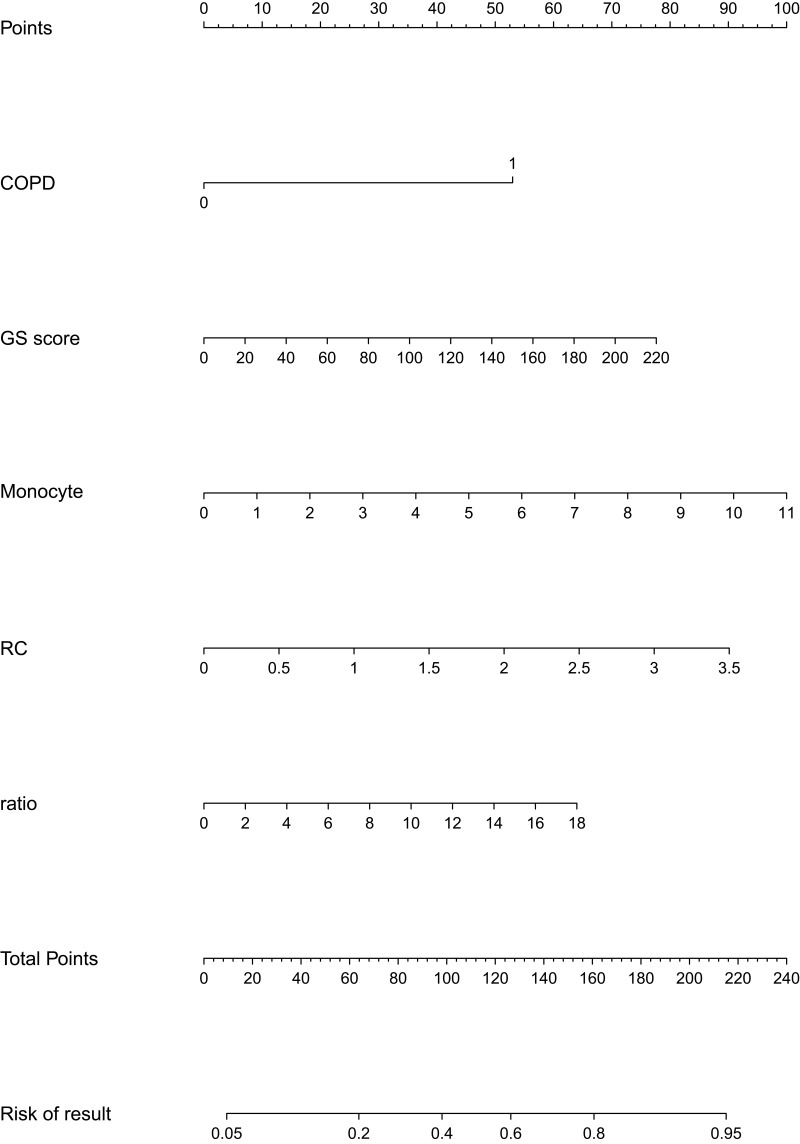
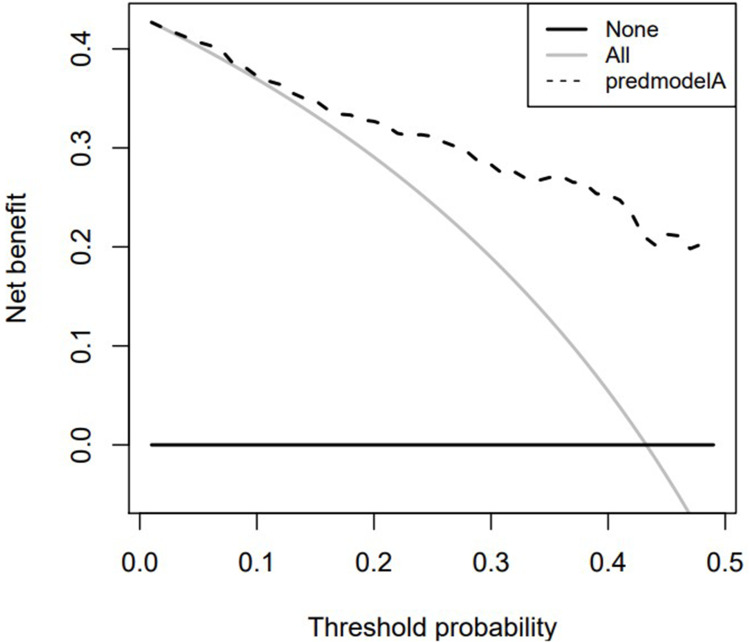
Results: In this study, 94 patients developed ISR after PCI. Univariate analysis showed that post-PCI ISR was associated with the underlying disease (COPD), higher Gensini score (GS score), higher LDL-C, higher neutrophil/lymphocyte ratio, and higher remnant cholesterol (RC). The multi-factor logistic regression analysis suggested that remnant cholesterol (odds ratio [OR] = 2.09, 95% confidence interval [CI] [1.40-3.11], P < 0.001), GS score (OR = 1.01, 95% CI [1.00, 1.02], P = 0.002), medical history of COPD (OR = 4.56, 95% CI [1.98, 10.40], P < 0.001), and monocyte (OR = 1.30, 95% CI [1.04, 1.70], P < 0.001) were independent risk factors for ISR. A nomogram was generated and displayed favorable fitting (Hosmer-Lemeshow test P = 0.609), discrimination (area under ROC curve was 0.847), and clinical usefulness by decision curve analysis.
Conclusion: Patients with certain preoperative characteristics, such as a history of COPD, higher GS scores, higher levels of RC, and monocytes, who undergo PCI may have a higher risk of developing ISR. The predictive nomogram, based on the above predictors, can be used to help identify patients who are at a higher risk of ISR early on, with a view to provide post-PCI health management for patients.
Keywords: CHD; ISR; PCI; coronary heart disease; in-stent restenosis; nomogram map; percutaneous coronary intervention.
© 2022 Luo et al.
Conflict of interest statement
Yinhua Luo and Ni Tan are co-first authors for this study. The authors report no conflicts of interest in this work.
Figures
References
-
- Gai M-T, Zhu B, Chen X-C, et al. A prediction model based on platelet parameters, lipid levels, and angiographic characteristics to predict in-stent restenosis in coronary artery disease patients implanted with drug-eluting stents. Lipids Health Dis. 2021;20(1):118. doi: 10.1186/s12944-021-01553-2 - DOI - PMC - PubMed
LinkOut - more resources
Full Text Sources
Miscellaneous
