


Auditing the Representation of Female Versus Male Athletes in Sports Science and Sports Medicine Research: Evidence-Based Performance Supplements
- PMID: 35267928
- PMCID: PMC8912470
- DOI: 10.3390/nu14050953
Auditing the Representation of Female Versus Male Athletes in Sports Science and Sports Medicine Research: Evidence-Based Performance Supplements
Abstract
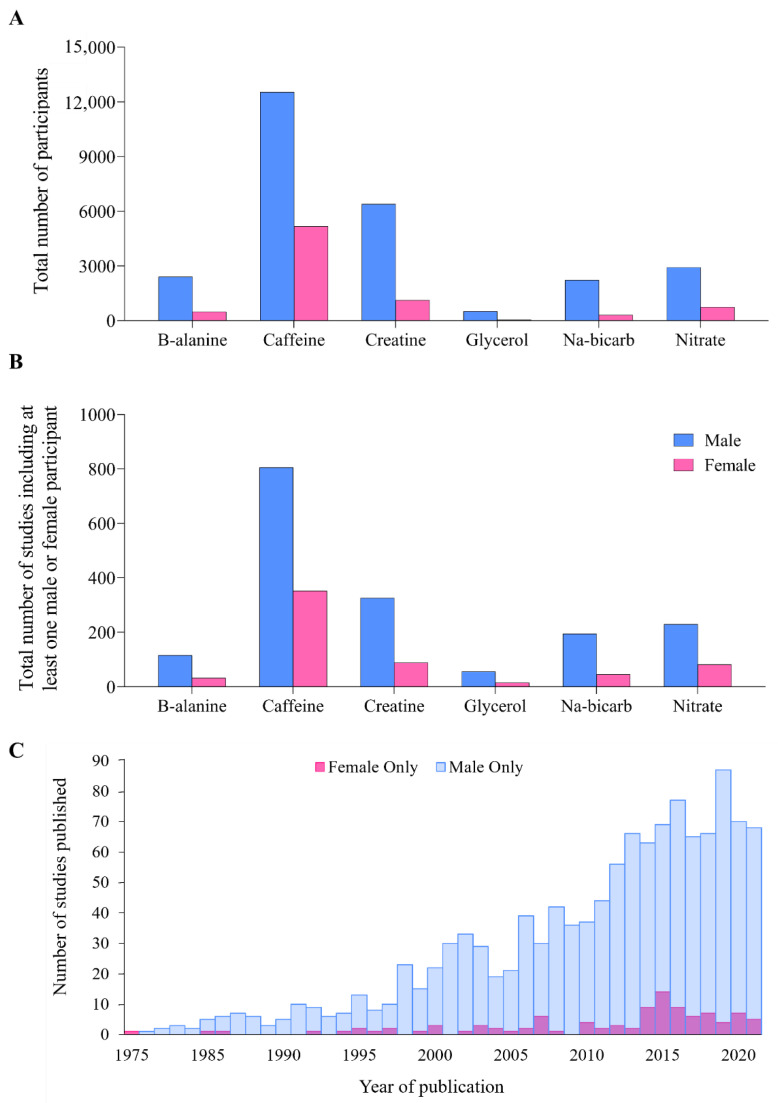
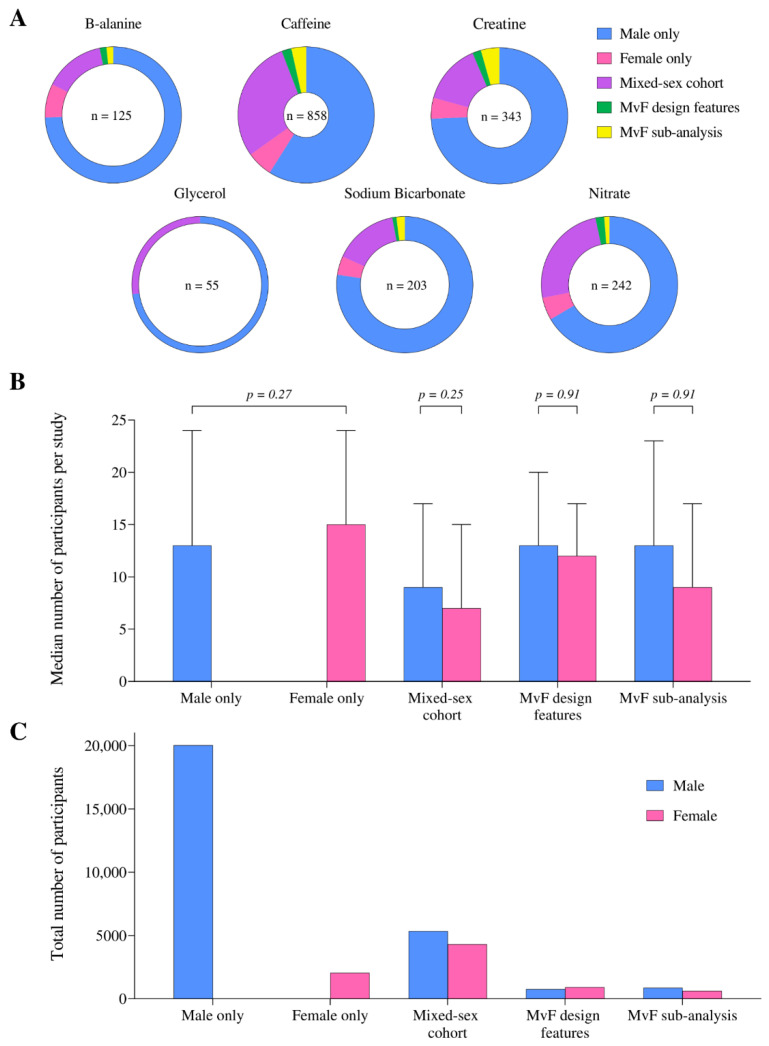
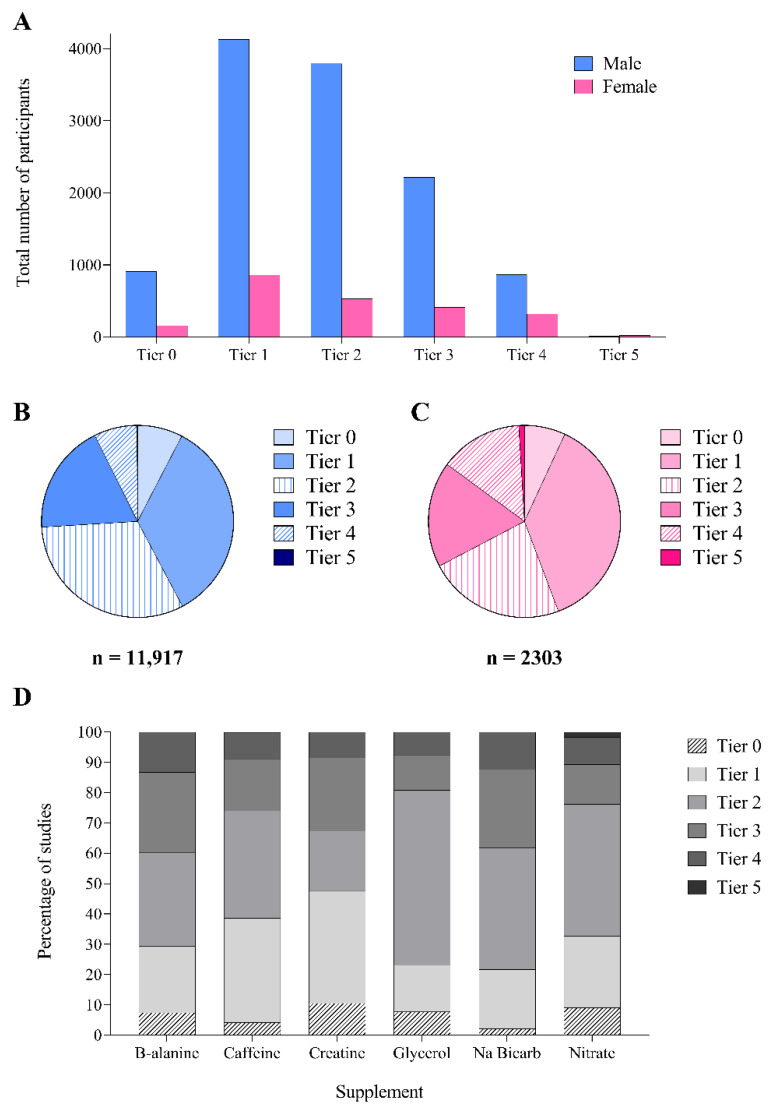
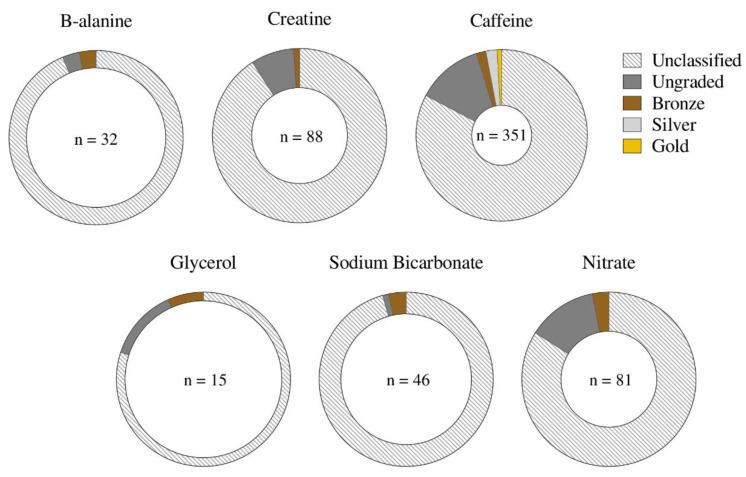
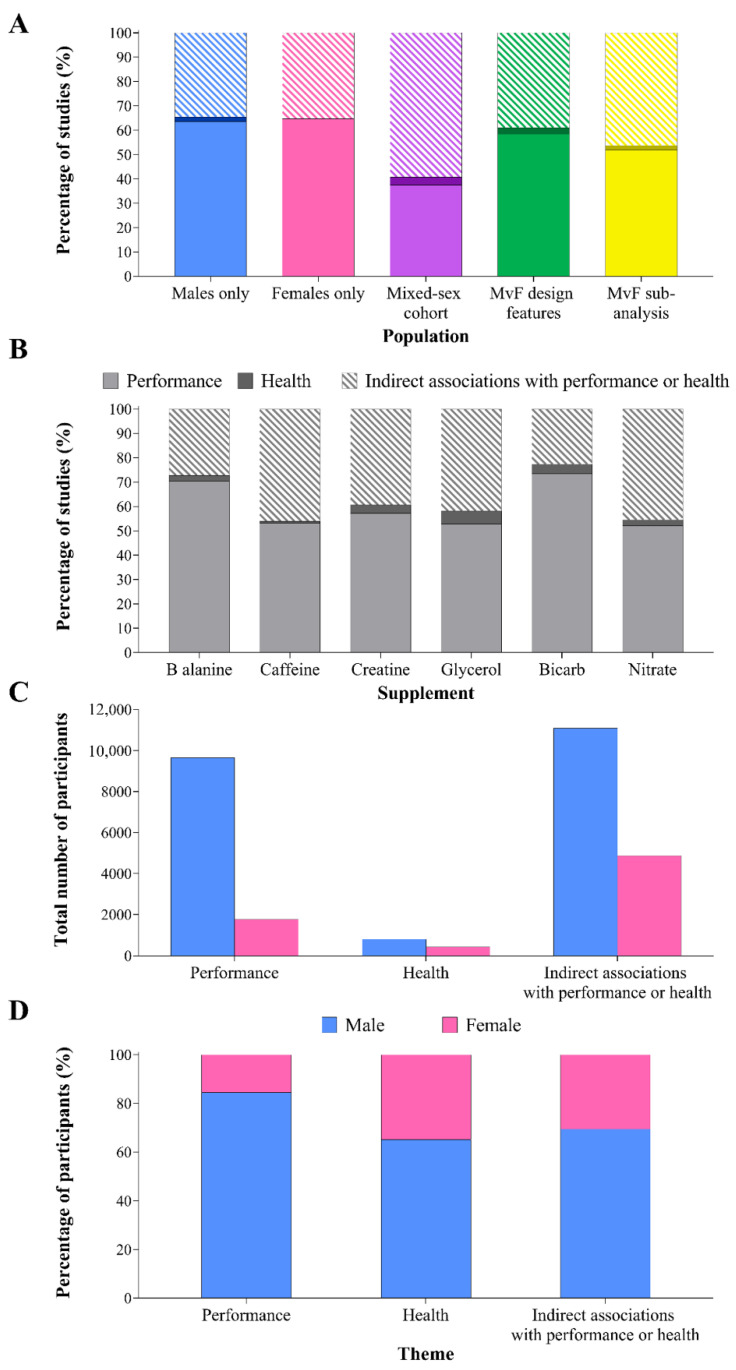
Although sports nutrition guidelines promote evidence-based practice, it is unclear whether women have been adequately included in the underpinning research. In view of the high usage rates of performance supplements by female athletes, we conducted a standardised audit of the literature supporting evidence-based products: β-alanine, caffeine, creatine, glycerol, nitrate/beetroot juice and sodium bicarbonate. Within 1826 studies totalling 34,889 participants, just 23% of participants were women, although 34% of studies included at least one woman. Across different supplements, 0-8% of studies investigated women exclusively, while fewer (0-2%) were specifically designed to compare sex-based responses. The annual publication of female-specific studies was ~8 times fewer than those investigating exclusively male cohorts. Interestingly, 15% of the female participants were classified as international/world-class athletes, compared with 7% of men. Most studies investigated performance outcomes but displayed poorer representation of women (16% of participants), whereas health-focussed studies had the greatest proportion of female participants (35%). Only 14% of studies including women attempted to define menstrual status, with only three studies (~0.5%) implementing best practice methodologies to assess menstrual status. New research should target the efficacy of performance supplements in female athletes, and future sports nutrition recommendations should specifically consider how well female athletes have contributed to the evidence-base.
Keywords: menstrual status; nutrition; oral contraceptive; physical activity; women.
Conflict of interest statement
The authors declare no conflict of interest. The funders had no role in the design of the study; in the collection, analyses, or interpretation of data; in the writing of the manuscript, or in the decision to publish the results.
Figures
References
-
- Smith E.S., McKay A.K., Ackerman K.E., Harris R., Elliott-Sale K.J., Stellingwerff T., Burke L.M. Methodology Review: A Protocol to audit the representation of female athletes in sports science and sports medicine research. Int. J. Sport Nutr. Exerc. Metab. 2022;1:1–14. doi: 10.1123/ijsnem.2021-0257. - DOI - PubMed
-
- Brookshire B. Women in sports are often underrepresented in science. Sci. News. 2016;1:847–851.
-
- Cowley E.S., Olenick A.A., McNulty K.L., Ross E.Z. “Invisible Sportswomen”: The sex data gap in sport and exercise science research. Women Sport Phys. Act. J. 2021;29:146–151. doi: 10.1123/wspaj.2021-0028. - DOI
MeSH terms
LinkOut - more resources
Full Text Sources
Medical
