


Novel Chemical and Biological Insights of Inositol Derivatives in Mediterranean Plants
- PMID: 35268625
- PMCID: PMC8912080
- DOI: 10.3390/molecules27051525
Novel Chemical and Biological Insights of Inositol Derivatives in Mediterranean Plants
Abstract
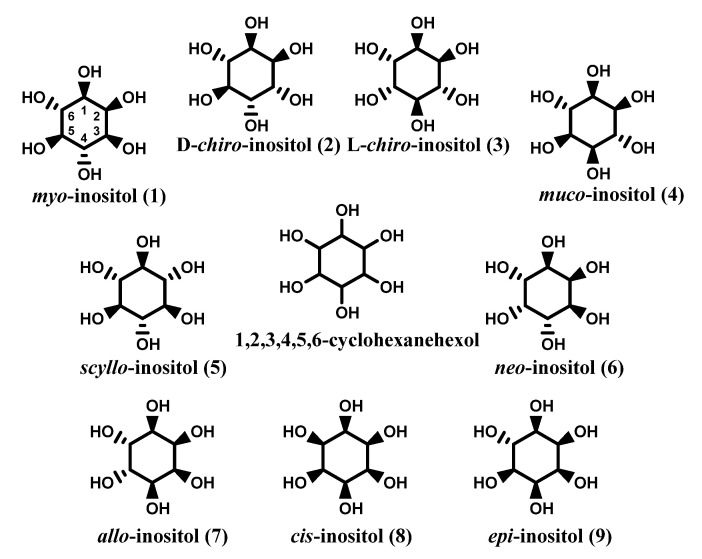
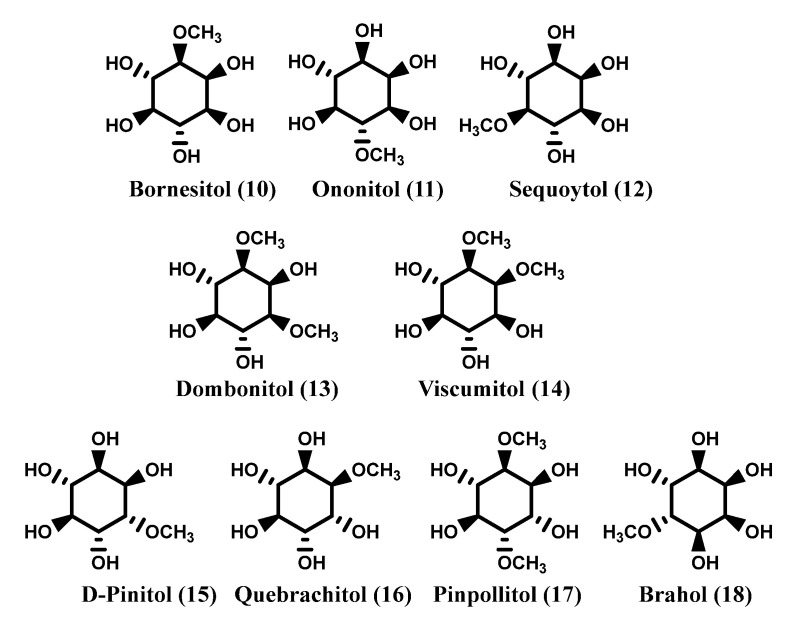
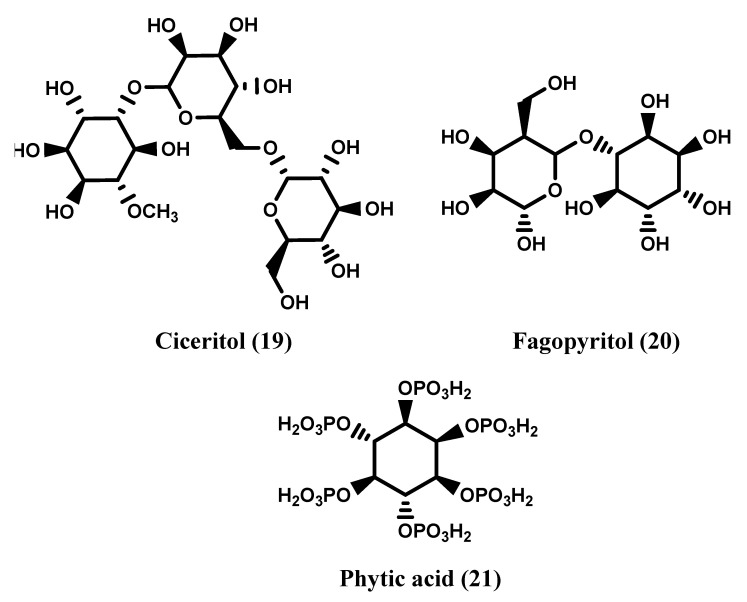
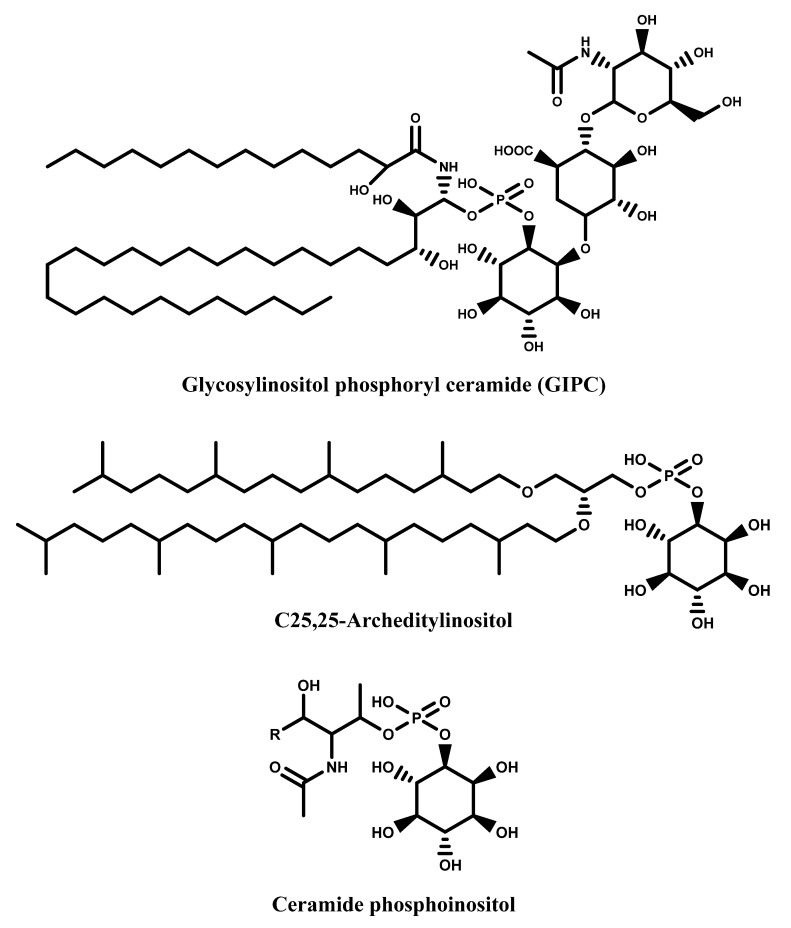
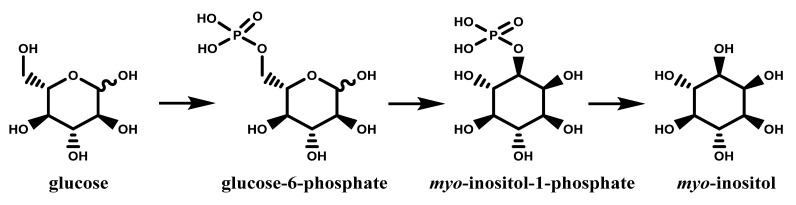
Inositols (Ins) are natural compounds largely widespread in plants and animals. Bio-sinthetically they derive from sugars, possessing a molecular structure very similar to the simple sugars, and this aspect concurs to define them as primary metabolites, even though it is much more correct to place them at the boundary between primary and secondary metabolites. This dichotomy is well represented by the fact that as primary metabolites they are essential cellular components in the form of phospholipid derivatives, while as secondary metabolites they are involved in a plethora of signaling pathways playing an important role in the surviving of living organisms. myo-Inositol is the most important and widespread compound of this family, it derives directly from d-glucose, and all known inositols, including stereoisomers and derivatives, are the results of metabolic processes on this unique molecule. In this review, we report the new insights of these compounds and their derivatives concerning their occurrence in Nature with a particular emphasis on the plant of the Mediterranean area, as well as the new developments about their biological effectiveness.
Keywords: bioactivity; biological role; inositols; natural occurrence.
Conflict of interest statement
The authors declare no conflict of interest.
Figures
References
-
- Pani A., Giossi R., Menichelli D., Fittipaldo V.A., Agnelli F., Inglese E., Roamndini R., Roncato R., Pintaudi B., Del Sole F., et al. Inositol and non-alcoholic fatty liver disease: A systematic review on deficiencies and supplementation. Nutrients. 2020;12:3379. doi: 10.3390/nu12113379. - DOI - PMC - PubMed
Publication types
MeSH terms
Substances
LinkOut - more resources
Full Text Sources
