


Non-Coding RNAs: Prevention, Diagnosis, and Treatment in Myocardial Ischemia-Reperfusion Injury
- PMID: 35269870
- PMCID: PMC8911068
- DOI: 10.3390/ijms23052728
Non-Coding RNAs: Prevention, Diagnosis, and Treatment in Myocardial Ischemia-Reperfusion Injury
Abstract
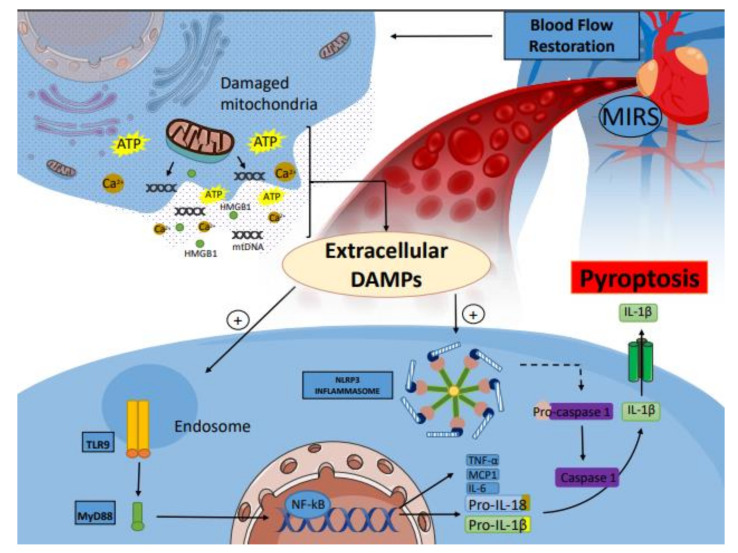
Recent knowledge concerning the role of non-coding RNAs (ncRNAs) in myocardial ischemia/reperfusion (I/R) injury provides new insight into their possible roles as specific biomarkers for early diagnosis, prognosis, and treatment. MicroRNAs (miRNAs) have fewer than 200 nucleotides, while long ncRNAs (lncRNAs) have more than 200 nucleotides. The three types of ncRNAs (miRNAs, lncRNAs, and circRNAs) act as signaling molecules strongly involved in cardiovascular disorders (CVD). I/R injury of the heart is the main CVD correlated with acute myocardial infarction (AMI), cardiac surgery, and transplantation. The expression levels of many ncRNAs and miRNAs are highly modified in the plasma of MI patients, and thus they have the potential to diagnose and treat MI. Cardiomyocyte and endothelial cell death is the major trigger for myocardial ischemia-reperfusion syndrome (MIRS). The cardioprotective effect of inflammasome activation in MIRS and the therapeutics targeting the reparative response could prevent progressive post-infarction heart failure. Moreover, the pharmacological and genetic modulation of these ncRNAs has the therapeutic potential to improve clinical outcomes in AMI patients.
Keywords: acute myocardial infarction; biomarker; cardiovascular diseases; ischemia–reperfusion injury; long non-coding RNA; microRNA.
Conflict of interest statement
The authors declare no conflict of interest.
Figures
References
Publication types
MeSH terms
Substances
LinkOut - more resources
Full Text Sources
Medical
