


Wound-Microenvironment Engineering through Advanced-Dressing Bioprinting
- PMID: 35269978
- PMCID: PMC8911091
- DOI: 10.3390/ijms23052836
Wound-Microenvironment Engineering through Advanced-Dressing Bioprinting
Abstract
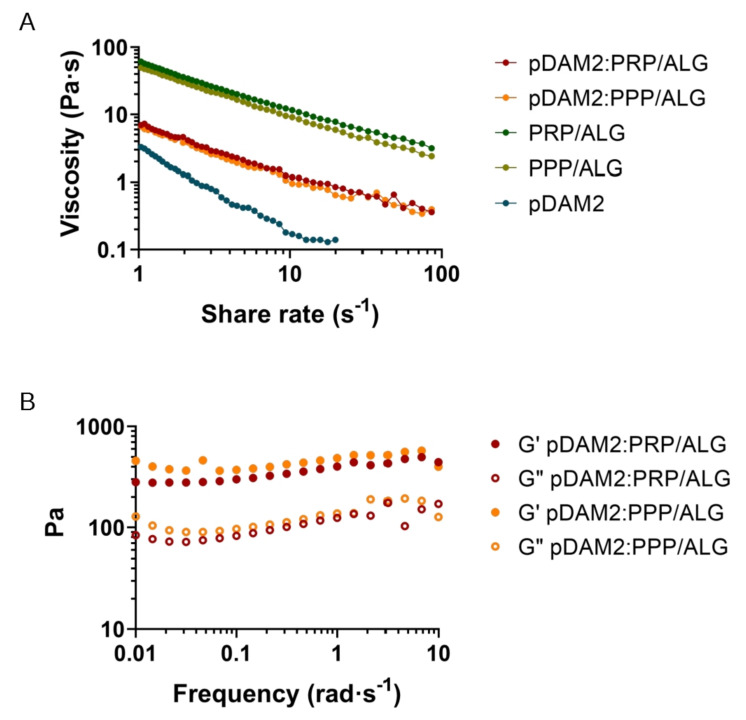
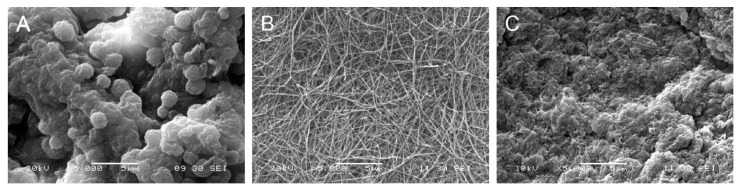
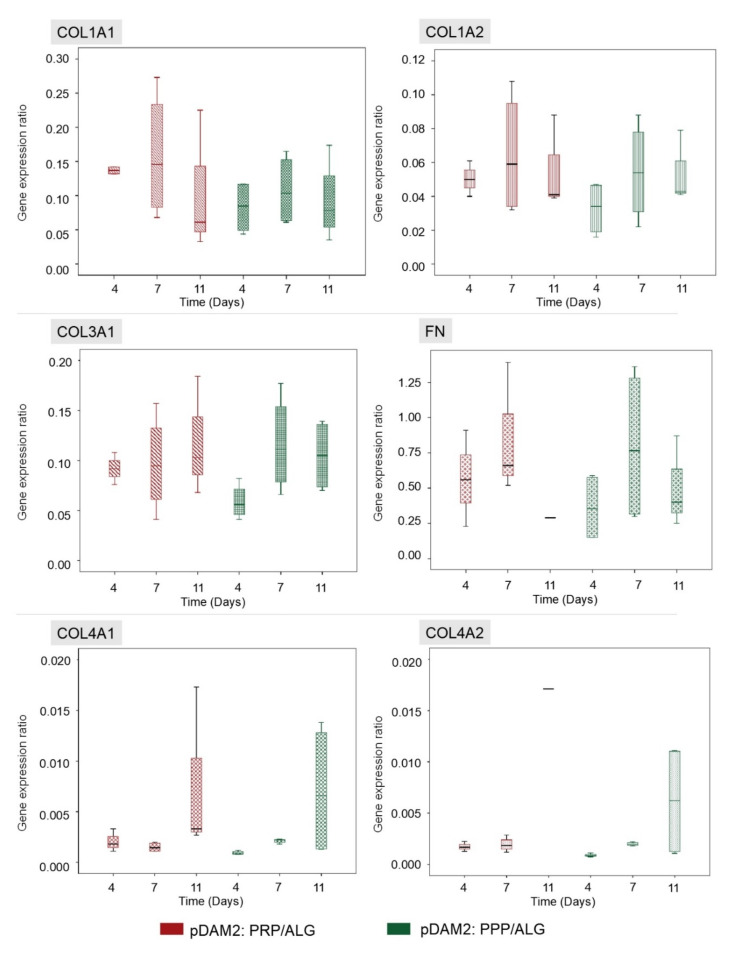
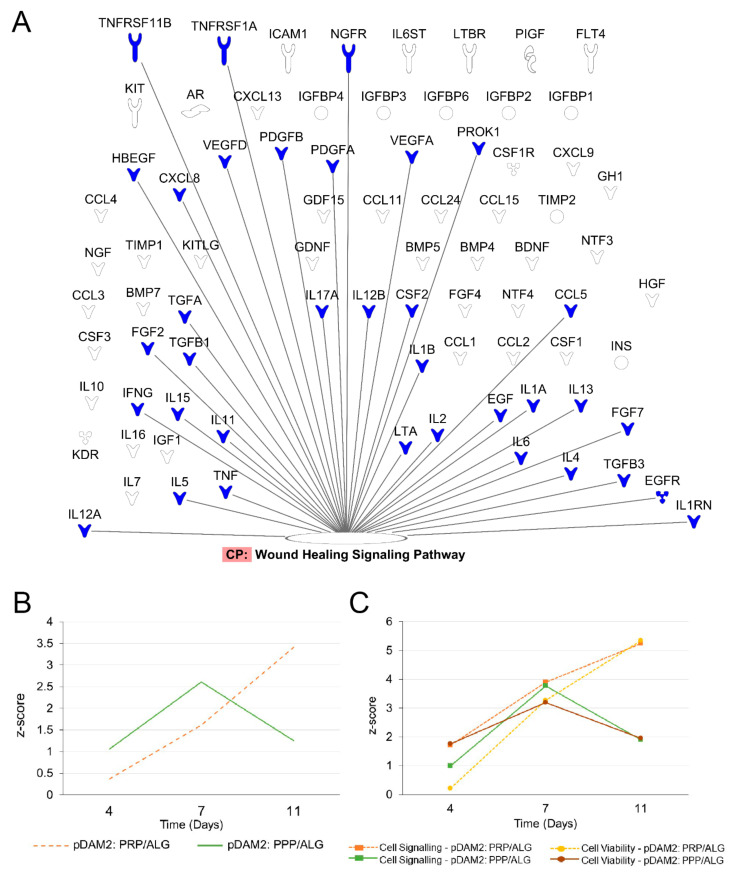
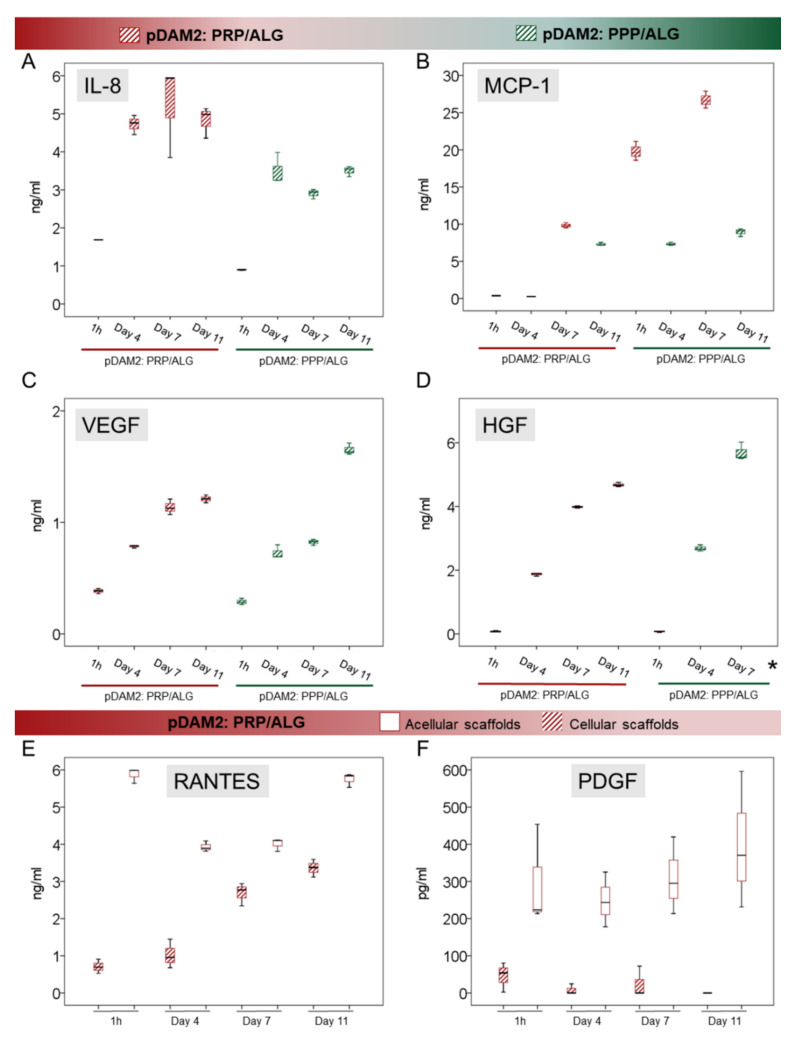
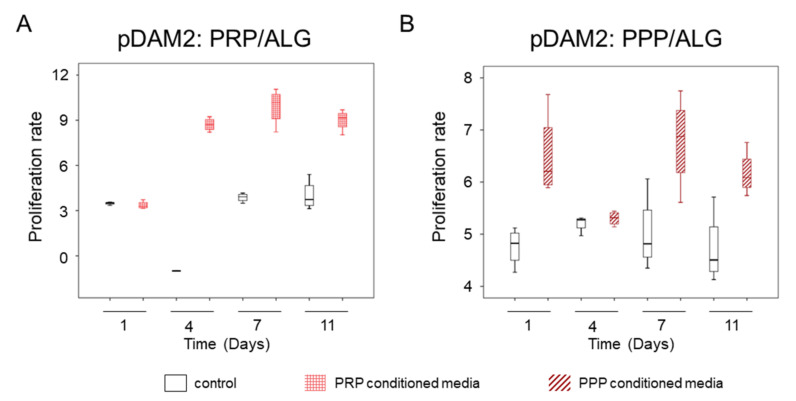
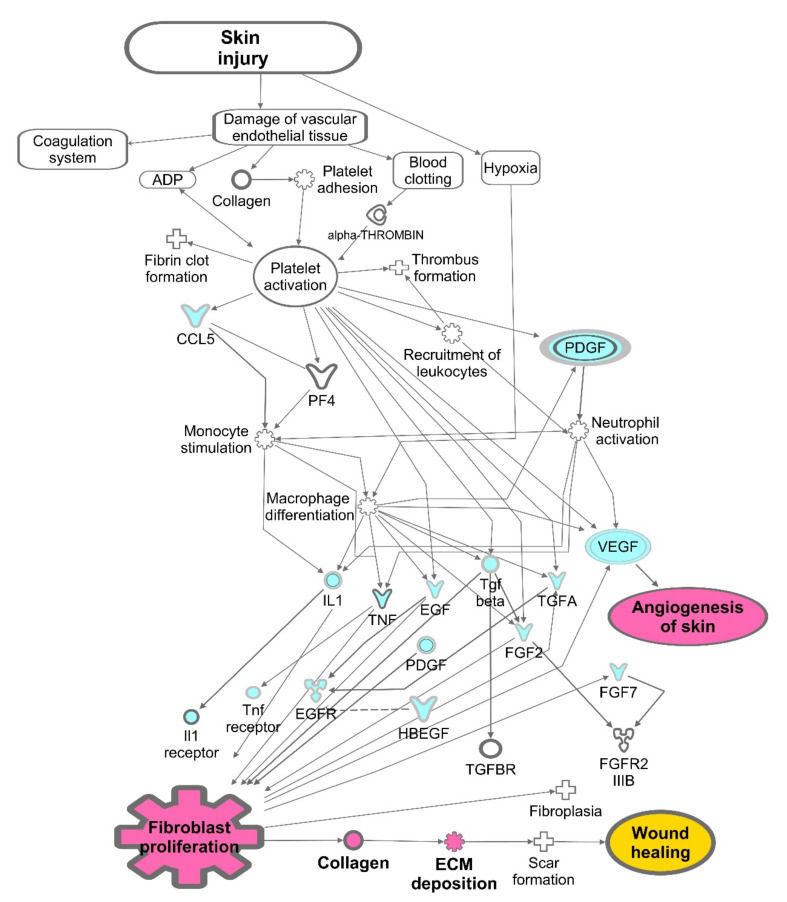
In patients with comorbidities, a large number of wounds become chronic, representing an overwhelming economic burden for healthcare systems. Engineering the microenvironment is a paramount trend to activate cells and burst-healing mechanisms. The extrusion bioprinting of advanced dressings was performed with novel composite bioinks made by blending adipose decellularized extracellular matrix with plasma and human dermal fibroblasts. Rheological and microstructural assessments of the composite hydrogels supported post-printing cell viability and proliferation over time. Embedded fibroblasts expressed steady concentrations of extracellular matrix proteins, including type 1, 3 and 4 collagens and fibronectin. ELISA assessments, multiplex protein arrays and ensuing bioinformatic analyses revealed paracrine activities corresponding to wound-healing activation through the modulation of inflammation and angiogenesis. The two modalities of advanced dressings, differing in platelet number, showed differences in the release of inflammatory and angiogenic cytokines, including interleukin 8 (IL-8), monocyte chemotactic protein 1 (MCP-1), vascular endothelial growth factor (VEGF) and hepatocyte growth factor (HGF). The conditioned media stimulated human-dermal-cell proliferation over time. Our findings open the door to engineering the microenvironment as a strategy to enhance healing.
Keywords: 3D bioprinting; bioink; cytokines; decellularized adipose extracellular matrix; growth factors; plasma; platelet; wound healing.
Conflict of interest statement
The authors declare no conflict of interest.
Figures

References
-
- Berlanga-Acosta J.A., Guillén-Nieto G.E., Rodríguez-Rodríguez N., Mendoza-Mari Y., Bringas-Vega M.L., Berlanga-Saez J.O., del Barco Herrera D.G., Martinez-Jimenez I., Hernandez-Gutierrez S., Valdés-Sosa P.A. Cellular Senescence as the Pathogenic Hub of Diabetes-Related Wound Chronicity. Front. Endocrinol. 2020;11:661. doi: 10.3389/fendo.2020.573032. - DOI - PMC - PubMed
-
- Evidence-Based Clinical Practice Guideline: Chronic Wounds of the Lower Extremity. [(accessed on 31 January 2022)]. Available online: www.plasticsurgery.org.
MeSH terms
Substances
Grants and funding
LinkOut - more resources
Full Text Sources
Research Materials
Miscellaneous
