


A Three-Step Procedure for Emergency Cerclage: Gestational and Neonatal Outcomes
- PMID: 35270320
- PMCID: PMC8909863
- DOI: 10.3390/ijerph19052636
A Three-Step Procedure for Emergency Cerclage: Gestational and Neonatal Outcomes
Abstract
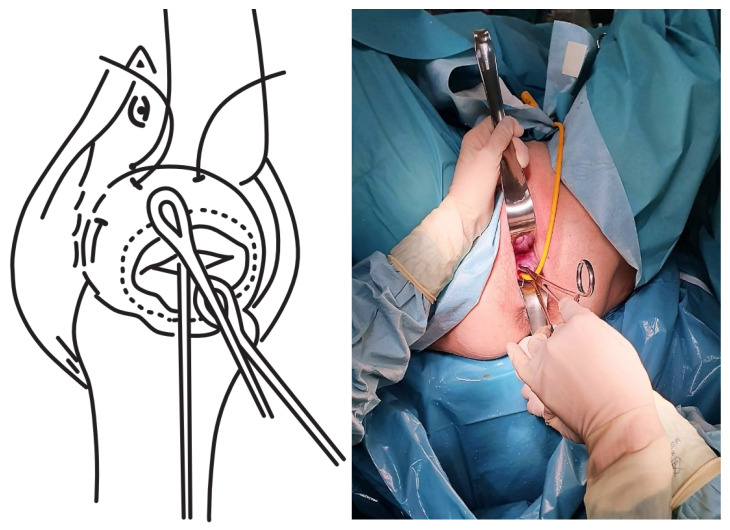
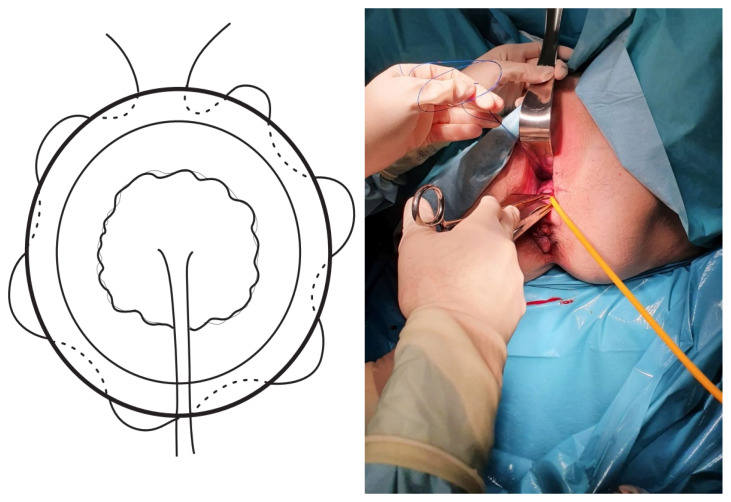
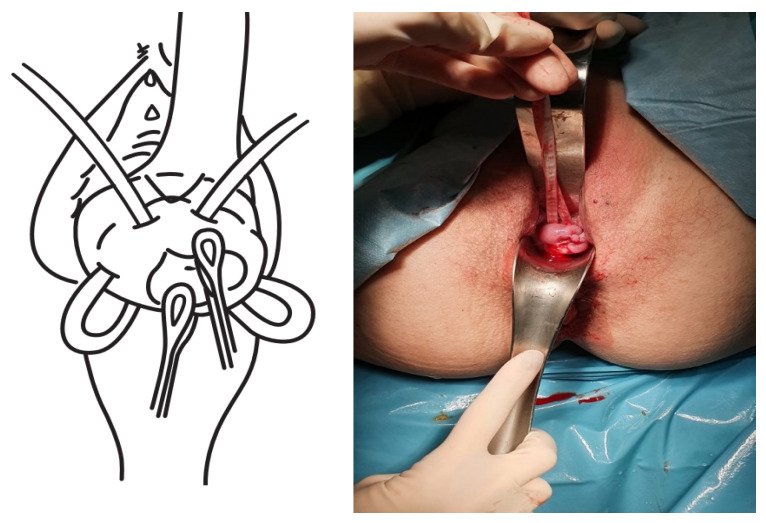
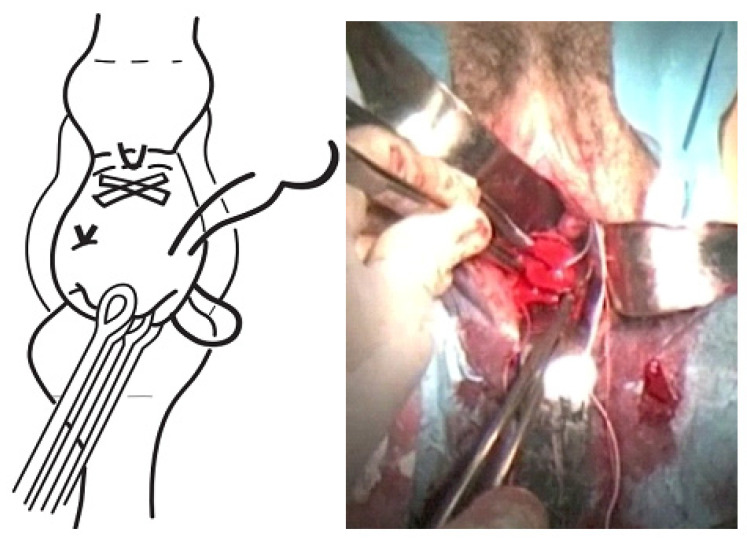
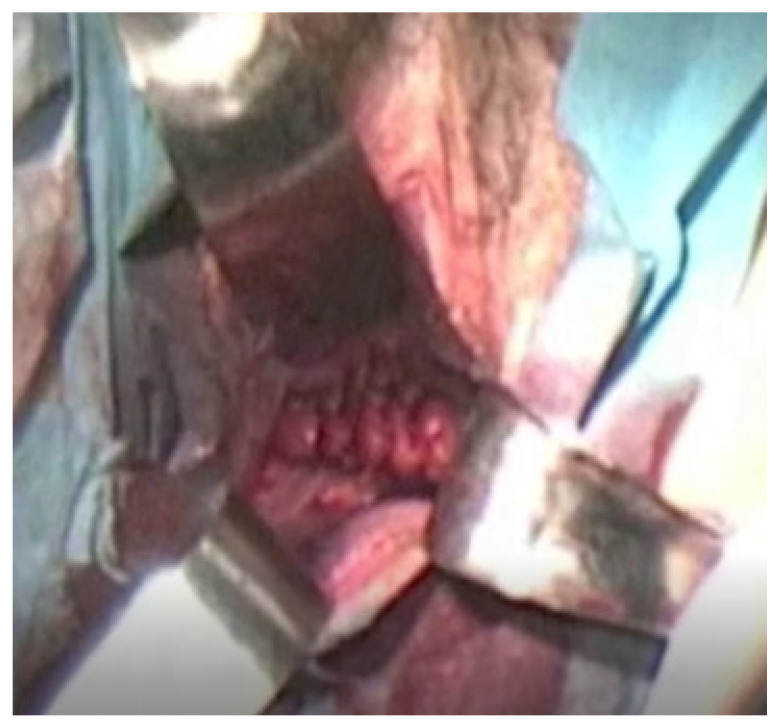
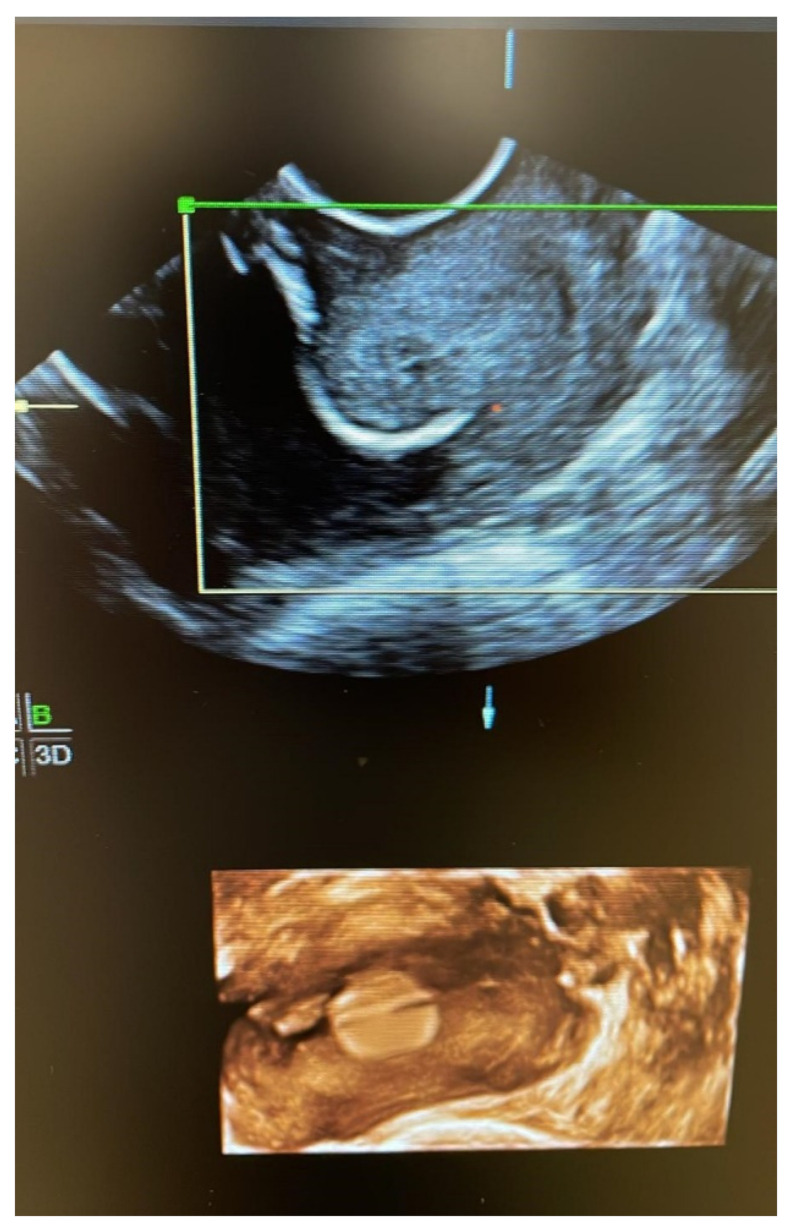
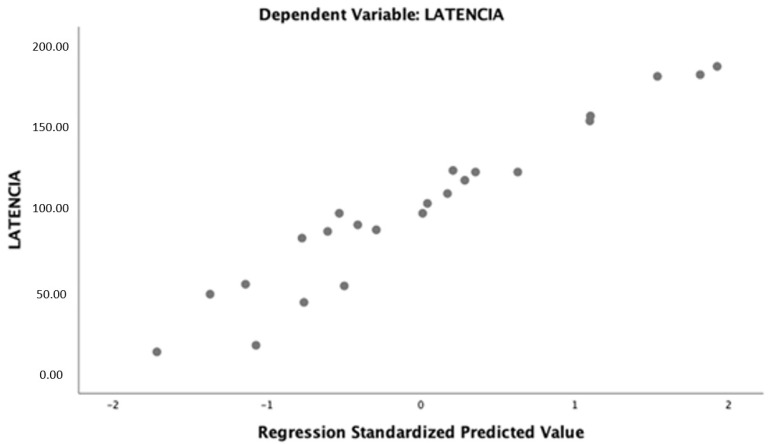
(1) Background: The objective of our prospective observational study was to evaluate a new technique for emergency cerclage, which was performed on a cohort of patients with cervical incompetence in the second trimester. (2) Methods: 26 pregnant women presented at 15 to 24 weeks of gestation with cervical dilatation and bursa prolapse. A new emergency cerclage was performed using a technique consisting of the first cerclage in a tobacco bag and a second occlusive cerclage located inferiorly to the first. The technique is concluded with the performance of a cervical cleisis when vaginal bag prolapse is present, and this overall procedure is called the three-step procedure for emergency cerclage (TSEC). (3) Results: To assess its effectiveness, we measured the latency from procedure to delivery, pregnancy duration, infant birth weight, and rate of premature amniorrhexis. The mean latency from procedure to delivery was 14 weeks + 6 days, the mean weight of newborns was 2550 g and the mean gestational age at delivery was 35 weeks. The neonatal survival rate was 95.8%. The rate of premature amniorrhexis (<34 weeks gestational age) was 8.3% (two cases) with successful perinatal outcomes. There were significant differences (p < 0.05) between groups. A multivariate regression model showed that the best variables for predicting the latency to delivery were the cervical dilatation at diagnosis, use of the three-step cerclage, cervical length after the procedure, and gestational age at diagnosis. (4) Conclusions: The excellent results obtained with the TSEC procedure in terms of the latency from the procedure to delivery, gestational age at delivery, birth weight, and having few reported complications highlight the importance of collecting new data on this promising novel procedure.
Keywords: cervical incompetence; emergency cerclage; preterm birth.
Conflict of interest statement
The authors of this study declare no conflict of interest.
Figures
References
-
- Lawn J., McCarthy B.J., Ross S.R. The Healthy Newborn: A Reference Manual for Program Managers. Center for Disease Control and Prevention; Atlanta, GA, USA: 2001.
-
- Martin J.A., Hamilton B.E., Osterman M.J., Driscoll A.K., Valenzuela C.P. Births: Final Data for 2013. Volume 64. Centers for Disease Control and Prevention; Atlanta, GA, USA: 2015. pp. 1–65. National Vital Statistics Reports. - PubMed
-
- Rennie J.M. A review of the risk of being born too soon. Fetal Matern. Med. Rev. 2002;13:157–168. doi: 10.1017/S0965539502000311. - DOI
