


Differences in the gut microbiome composition of Korean children and adult samples based on different DNA isolation kits
- PMID: 35271591
- PMCID: PMC8912269
- DOI: 10.1371/journal.pone.0264291
Differences in the gut microbiome composition of Korean children and adult samples based on different DNA isolation kits
Abstract
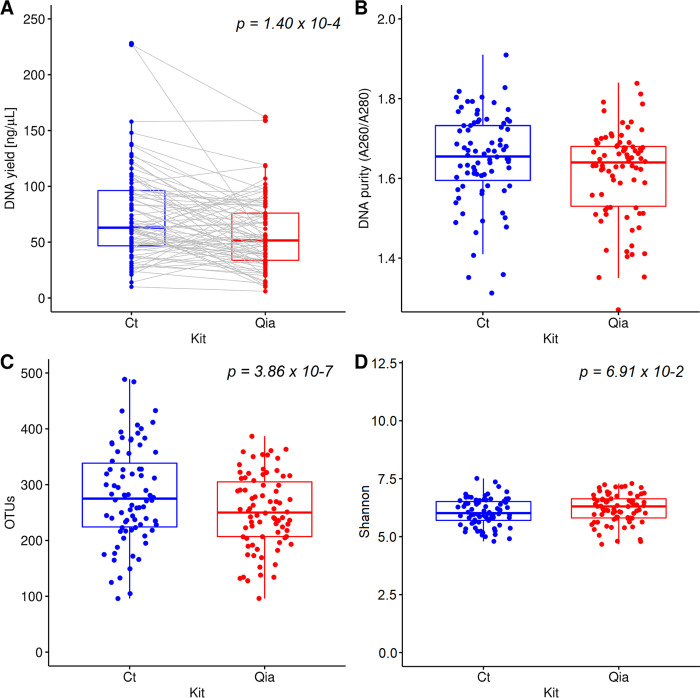
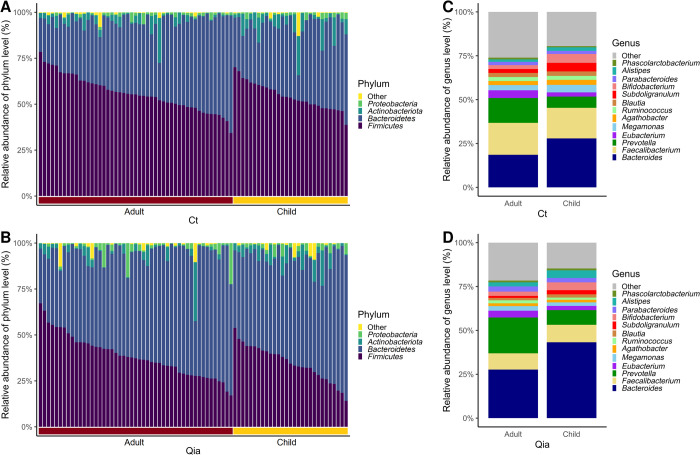
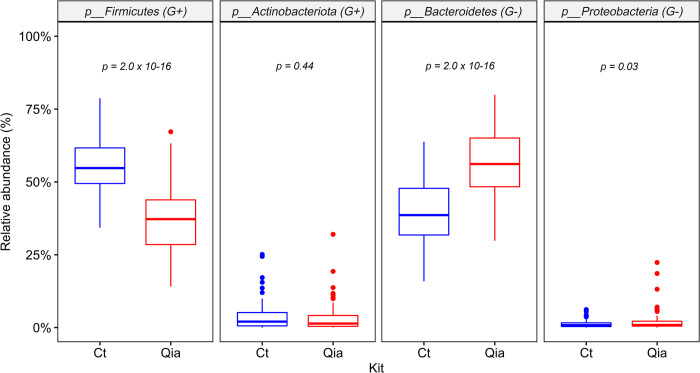
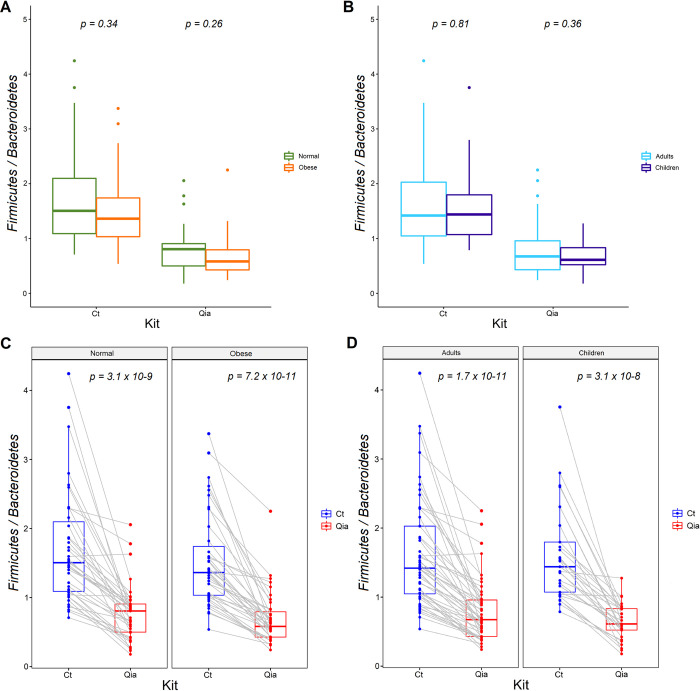
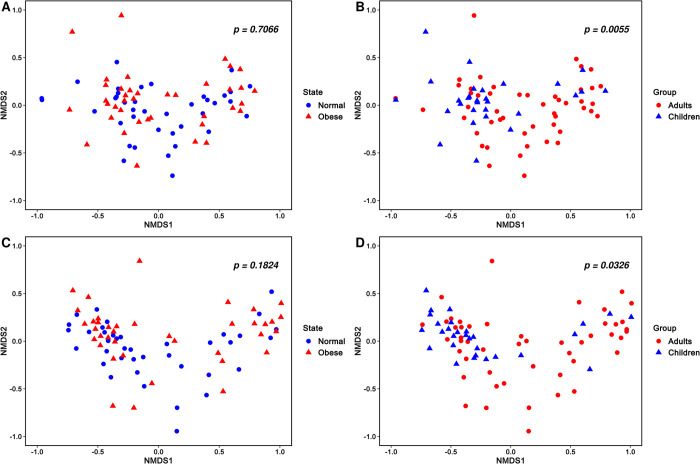
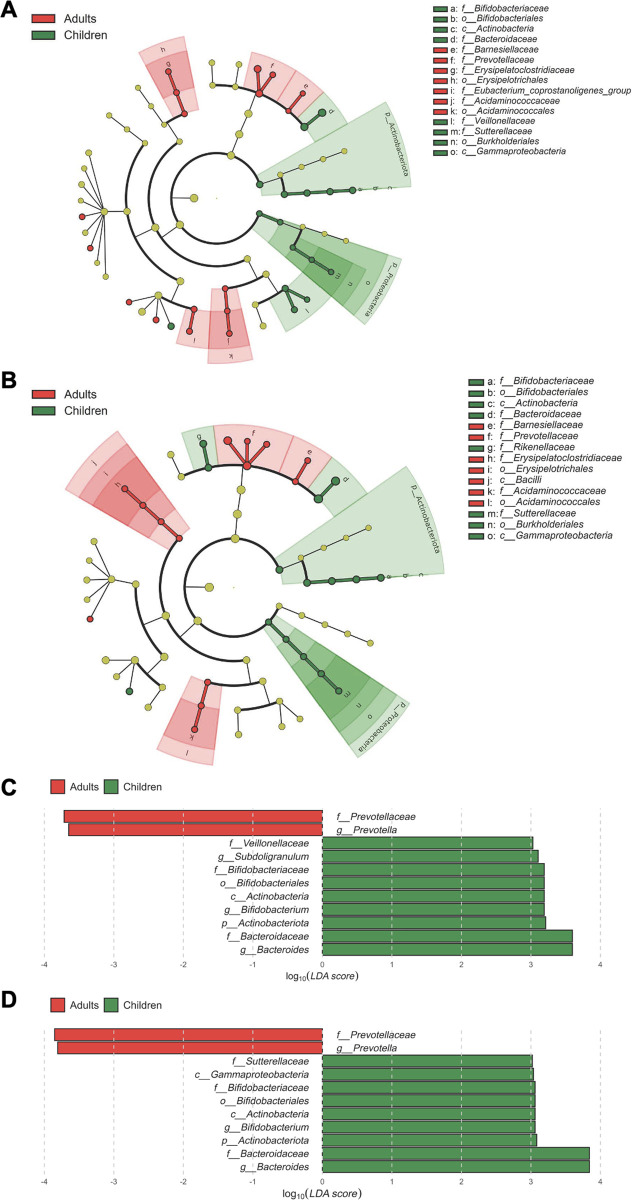
Recent studies have revealed that the composition of human gut microbiota varies according to region, race, age, diet, living environment, and sampling and DNA extraction method. The purpose of this study was to broaden our understanding of the intestinal microbial composition of Koreans by conducting a 16S rRNA amplicon sequencing on 78 Korean samples composed of adults, children, normal and obese groups. We compared the microbiome composition and diversity of these groups at different levels including the phylum and genus level using two different stool DNA extraction kits of QIAamp® PowerFecal® DNA Kit (Qiagen, Hilden, Germany) and CT Max Fecal DNA Kit (Ct bio, Korea). We found that Ct bio (Ct) kit recovered higher DNA yields and OTUs than QIAamp® PowerFecal® DNA Kit (Qia). The Ct kit, which adopted more rigorous bead beating method, detected the most Gram-positive (G+) bacteria, Firmicutes, at the Phylum level, whereas the Qia kit, which used a less rigorous cell lysis method, found the most Gram-negative (G-) bacteria, Bacteroidetes. The Firmicutes-to-Bacteroidetes (F/B) ratio showed no significant difference between the obese and the normal groups of same kit; however, they were significantly different with two different kits. There was a difference in the intestinal flora between healthy Korean adults and children. The taxa that differed significantly between the adults and children were Bacteroides, Bifidobacterium, Prevotella, and Subdoligranulum. There was no significant difference in the intestinal flora between the normal weight group and the obese group in adults and children, respectively. This is probably because the difference in body mass index (BMI) between the sample groups collected in this study is statistically significant, but it is not large enough to show a clear difference in the flora. Therefore, these results should be interpreted with caution while considering the BMI values and Korean obesity criterion together.
Conflict of interest statement
The authors have declared that no competing interests exist.
Figures
References
-
- Saito K, Koido S, Odamaki T, Kajihara M, Kato K, Horiuchi S, et al. Metagenomic analyses of the gut microbiota associated with colorectal adenoma. PLoS One. 2019;14(2):e0212406. doi: 10.1371/journal.pone.0212406 ; PubMed Central PMCID: PMC6386391 Milk Industry Co., Ltd. This does not alter our adherence to PLOS ONE policies on sharing data and materials. - DOI - PMC - PubMed
MeSH terms
Substances
LinkOut - more resources
Full Text Sources
