


Apolipoprotein A-V is a potential target for treating coronary artery disease: evidence from genetic and metabolomic analyses
- PMID: 35278410
- PMCID: PMC9062431
- DOI: 10.1016/j.jlr.2022.100193
Apolipoprotein A-V is a potential target for treating coronary artery disease: evidence from genetic and metabolomic analyses
Abstract
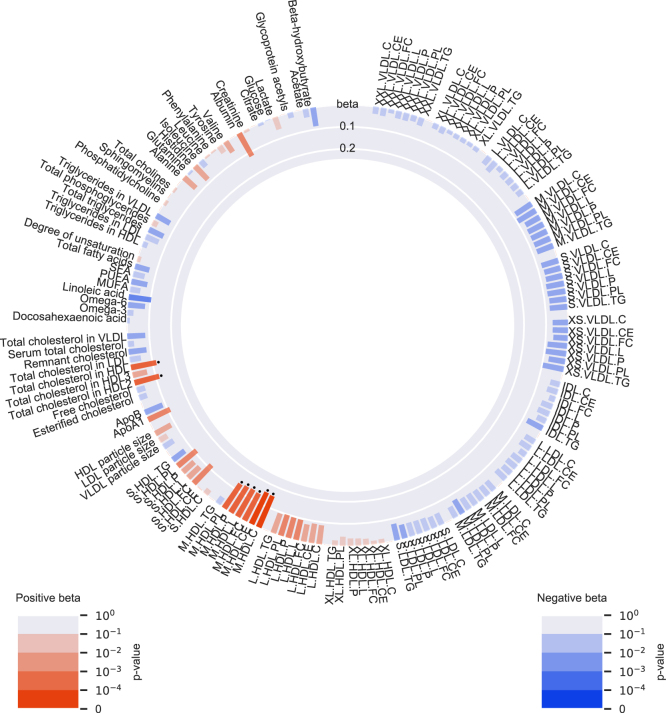
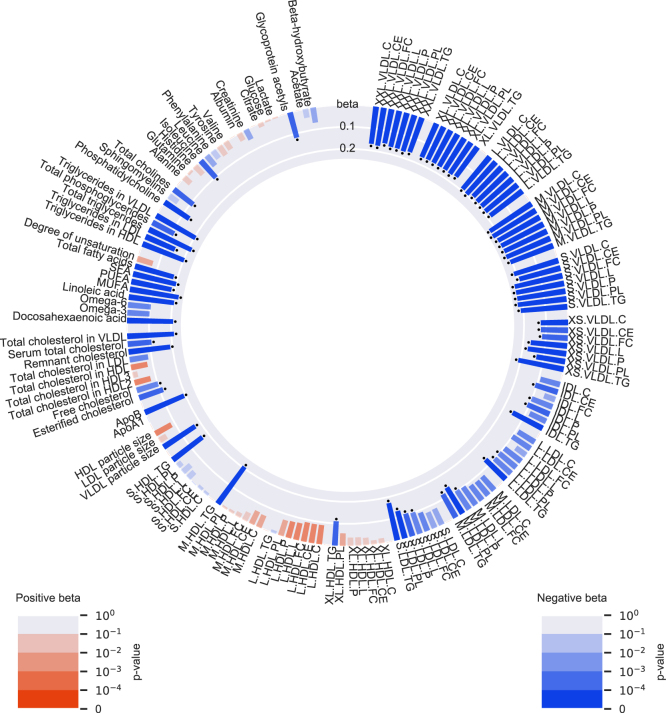
Triglyceride (TG)-lowering LPL variants in combination with genetic LDL-C-lowering variants are associated with reduced risk of coronary artery disease (CAD). Genetic variation in the APOA5 gene encoding apolipoprotein A-V also strongly affects TG levels, but the potential clinical impact and underlying mechanisms are yet to be resolved. Here, we aimed to study the effects of APOA5 genetic variation on CAD risk and plasma lipoproteins through factorial genetic association analyses. Using data from 309,780 European-ancestry participants from the UK Biobank, we evaluated the effects of lower TG levels as a result of genetic variation in APOA5 and/or LPL on CAD risk with or without a background of reduced LDL-C. Next, we compared lower TG levels via APOA5 and LPL variation with over 100 lipoprotein measurements in a combined sample from the Netherlands Epidemiology of Obesity study (N = 4,838) and the Oxford Biobank (N = 6,999). We found that lower TG levels due to combined APOA5 and LPL variation and genetically-influenced lower LDL-C levels afforded the largest reduction in CAD risk (odds ratio: 0.78 (0.73-0.82)). Compared to patients with genetically-influenced lower TG via LPL, genetically-influenced lower TG via APOA5 had similar and independent, but notably larger, effects on the lipoprotein profile. Our results suggest that lower TG levels as a result of APOA5 variation have strong beneficial effects on CAD risk and the lipoprotein profile, which suggest apo A-V may be a potential novel therapeutic target for CAD prevention.
Keywords: LDL; cardiovascular disease; clinical data; factorial analysis; genetic variation; hyperlipidemia; lipid-lowering therapy; lipoprotein lipase; lipoproteins; triglycerides.
Copyright © 2022 The Authors. Published by Elsevier Inc. All rights reserved.
Conflict of interest statement
Conflict of interest The authors declare that they have no conflicts of interest with the contents of this article.
Figures


References
-
- Yebyo H.G., Aschmann H.E., Kaufmann M., Puhan M.A. Comparative effectiveness and safety of statins as a class and of specific statins for primary prevention of cardiovascular disease: a systematic review, meta-analysis, and network meta-analysis of randomized trials with 94,283 participants. Am. Heart J. 2019;210:18–28. - PubMed
-
- Xiao C., Dash S., Morgantini C., Hegele R.A., Lewis G.F. Pharmacological targeting of the atherogenic dyslipidemia complex: the next frontier in CVD prevention beyond lowering LDL cholesterol. Diabetes. 2016;65:1767–1778. - PubMed
-
- Miller M., Cannon C.P., Murphy S.A., Qin J., Ray K.K., Braunwald E. Impact of triglyceride levels beyond low-density lipoprotein cholesterol after Acute Coronary Syndrome in the PROVE IT-TIMI 22 trial. J. Am. Coll. Cardiol. 2008;51:724–730. - PubMed
Publication types
MeSH terms
Substances
Grants and funding
LinkOut - more resources
Full Text Sources
Medical
Miscellaneous
