


"A New Hope" for Positive Psychology: A Dynamic Systems Reconceptualization of Hope Theory
- PMID: 35282244
- PMCID: PMC8906075
- DOI: 10.3389/fpsyg.2022.809053
"A New Hope" for Positive Psychology: A Dynamic Systems Reconceptualization of Hope Theory
Erratum in
-
Corrigendum: "A new hope" for positive psychology: a dynamic systems reconceptualization of hope theory.Front Psychol. 2023 Oct 6;14:1292756. doi: 10.3389/fpsyg.2023.1292756. eCollection 2023. Front Psychol. 2023. PMID: 37868600 Free PMC article.
Abstract
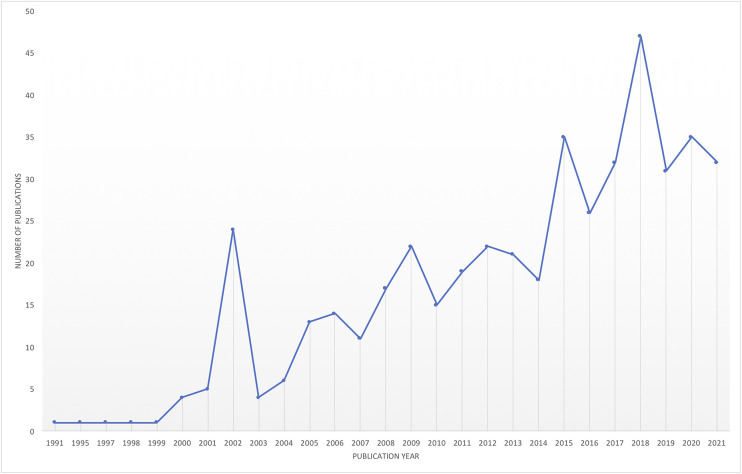
In this review of the central tenets of hope theory, we examine the meta-theoretical, theoretical, and methodological foundations of the literature base. Our analysis moves from a broad examination of the research landscape in hope theory across disciplines, to a deeper investigation of the empirical literature in university students. This review highlights the significant impact of this body of research in advancing our understanding of aspects of thriving characterized by hope. However, we also evidence several limitations that may impede the advancement of the next wave of growth in this field. To address these limitations, we argue for an interdisciplinary approach to expanding the meta-theoretical, theoretical, and methodological horizons, enabling a more dynamic systems approach to the study of hope. Drawing on the intersection of positive psychology with systems thinking, we describe a methodological approach that enables a deeper examination of the processes and interactions through which hope emerges, using an analysis of the lived experience of young people. It is proposed that this research agenda will bring to life an alternate story about the resourcefulness of our youth through their own voice, enabling us to leverage this in the design of more effective strategies to facilitate hope in the future. This research agenda provides a roadmap that will provide alternative methodologies that address the current limitations in the field of hope research and, importantly, can provide fuel to spur on the acceleration of the next wave of research and practice in the field of positive psychology more broadly.
Keywords: hope theory; interdisciplinary; meta-theoretical; methodology; systems dynamics.
Copyright © 2022 Colla, Williams, Oades and Camacho-Morles.
Conflict of interest statement
The authors declare that the research was conducted in the absence of any commercial or financial relationships that could be construed as a potential conflict of interest.
Figures


References
-
- Abe J. A. (2016). A longitudinal follow-up study of happiness and meaning-making. J. Posit. Psychol. 11 489–498.
-
- Ahmet A., Umran A. (2014). Authenticity as a predictor on hope in Turkish university students. Educ. Sci. Psychol. 28 64–70.
-
- Alcoff L. (1991). The problem of speaking for others. Cult. Critiq. 20 5–32. 10.2307/1354221 - DOI
-
- Anderson H. (1997). Conversation, language, and possibilities: A postmodern approach to therapy. New York, NY: Basic Books.
-
- Bauman L. V. (2015). The impact of a psychological capital intervention on college student wellbeing. Ph. D. thesis. Azusa: Azusa Pacific University.
Publication types
LinkOut - more resources
Full Text Sources
