Review
. 2022 Mar 14;32(5):R237-R246.
doi: 10.1016/j.cub.2022.01.062.

Origin and status of Culex pipiens mosquito ecotypes

Affiliations
Review

Origin and status of Culex pipiens mosquito ecotypes

Yuki Haba et al. Curr Biol. .

Abstract

The northern house mosquito Culex pipiens sensu stricto is one of the most important disease vector mosquitoes in temperate zones across the northern hemisphere, responsible for the emergence of West Nile Virus over the last two decades. It comprises two ecologically distinct forms - an aboveground form, pipiens, diapauses in winter and primarily bites birds, while a belowground form, molestus, thrives year-round in subways, basements and other human-made, belowground habitats, bites mammals, and can even lay eggs without a blood meal. The two forms hybridize in some but not all places, leading to a complex ecological mosaic that complicates predictions of vectorial capacity. Moreover, the origin of the belowground molestus is contentious, with iconic populations from the London Underground subway system being held up by evolutionary biologists as a preeminent example of rapid, in situ, urban adaptation and speciation. We review the recent and historical literature on the origin and ecology of this important mosquito and its enigmatic forms. A synthesis of genetic and ecological studies spanning 100+ years clarifies a striking latitudinal gradient - behaviorally divergent and reproductively isolated forms in northern Europe gradually break down into what appear to be well-mixed, intermediate populations in North Africa. Moreover, a continuous narrative thread dating back to the original description of form molestus in Egypt in 1775 refutes the popular idea that belowground mosquitoes in London evolved in situ from their aboveground counterparts. These enigmatic mosquitoes are more likely derived from populations in the Middle East, where human-biting and other adaptations to human environments may have evolved on the timescale of millennia rather than centuries. We outline several areas for future work and discuss the implications of these patterns for public health and for our understanding of urban adaptation in the Anthropocene.


Conflict of interest statement

Declaration of interests The authors declare no competing interests.

Figures
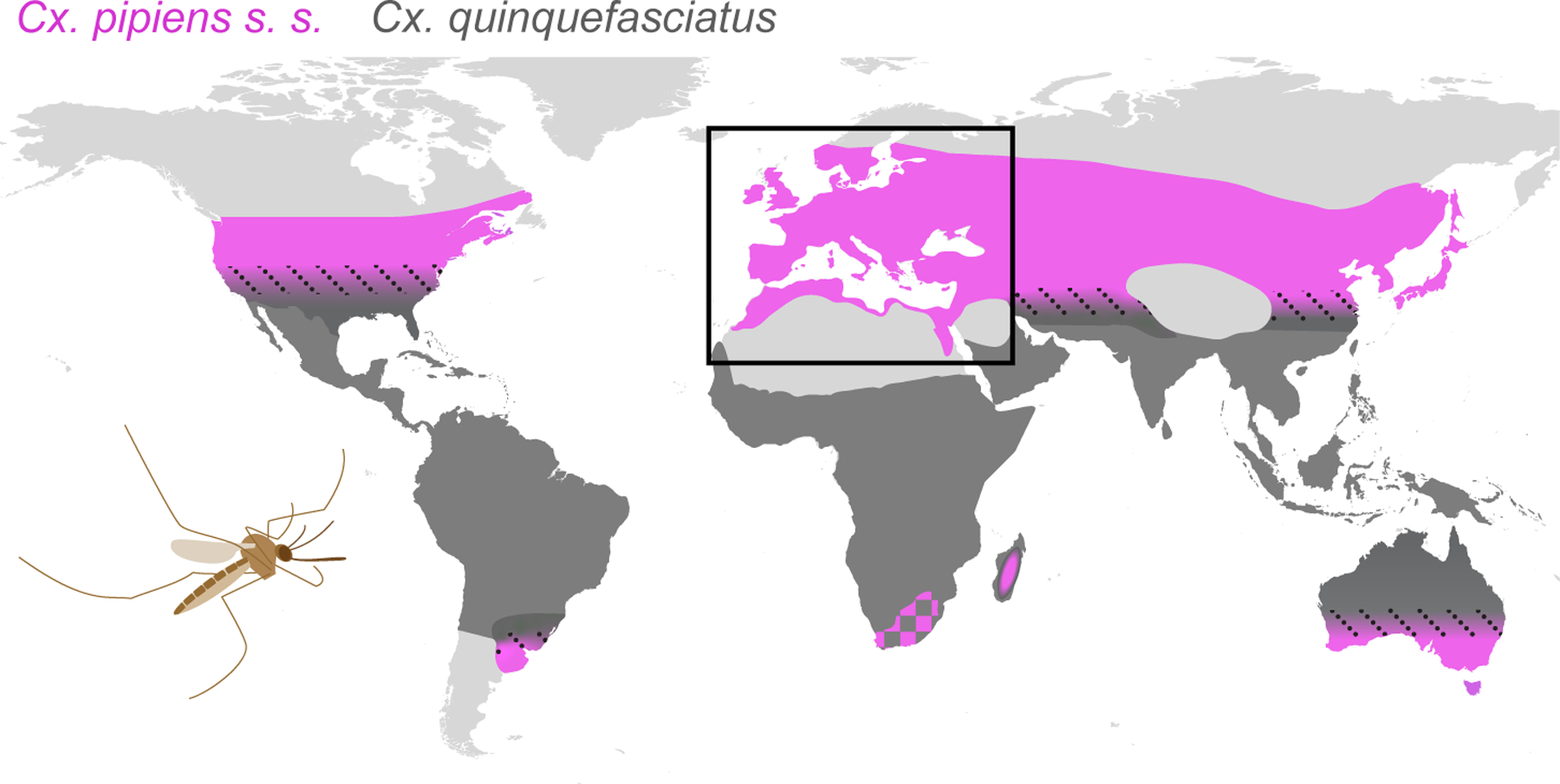
Figure 1.
Figure 1.. Cx. pipiens mosquitoes are found in temperate areas around the world.
Shaded areas show the approximate global distributions of the vector mosquito Cx. pipiens sensu stricto (pink) and its tropical sibling Cx. quinquefasciatus (dark grey) (modified from ,,). The two species hybridize where they come into contact (dotted black lines), except in South Africa (pink-grey checkers), where the local ‘Cx. pipiens’ do not interbreed with coexisting Cx. quinquefasciatus and may represent a third species. Our review focuses on ecological diversity within Cx. pipiens across the Western Palearctic (black rectangle), where this diversity is highest and likely originated. Cx. pipiens populations in East Asia are recognized as a distinct subspecies (Cx. p. pallens), while those in the Americas and Australia are thought to have been established relatively recently,,. Cx. pipiens may also occur sporadically at high elevations across tropical Africa.
Figure 2.
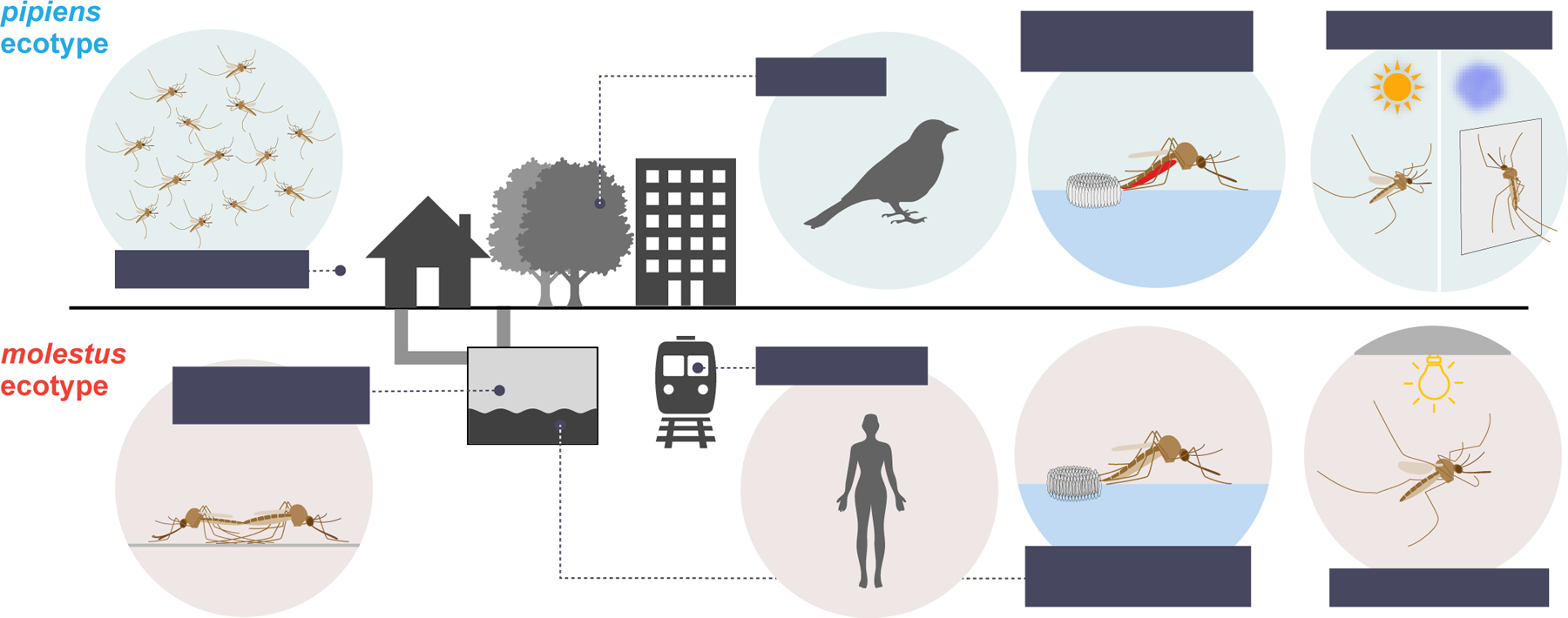
Figure 2.. Cx. pipiens comprises two ecotypes in colder, northern latitudes.
Form pipiens lives aboveground, while the form molestus is confined to man-made belowground habitats. The schematics summarize several striking behavioral and physiological differences (see references in main text).
Figure 3.
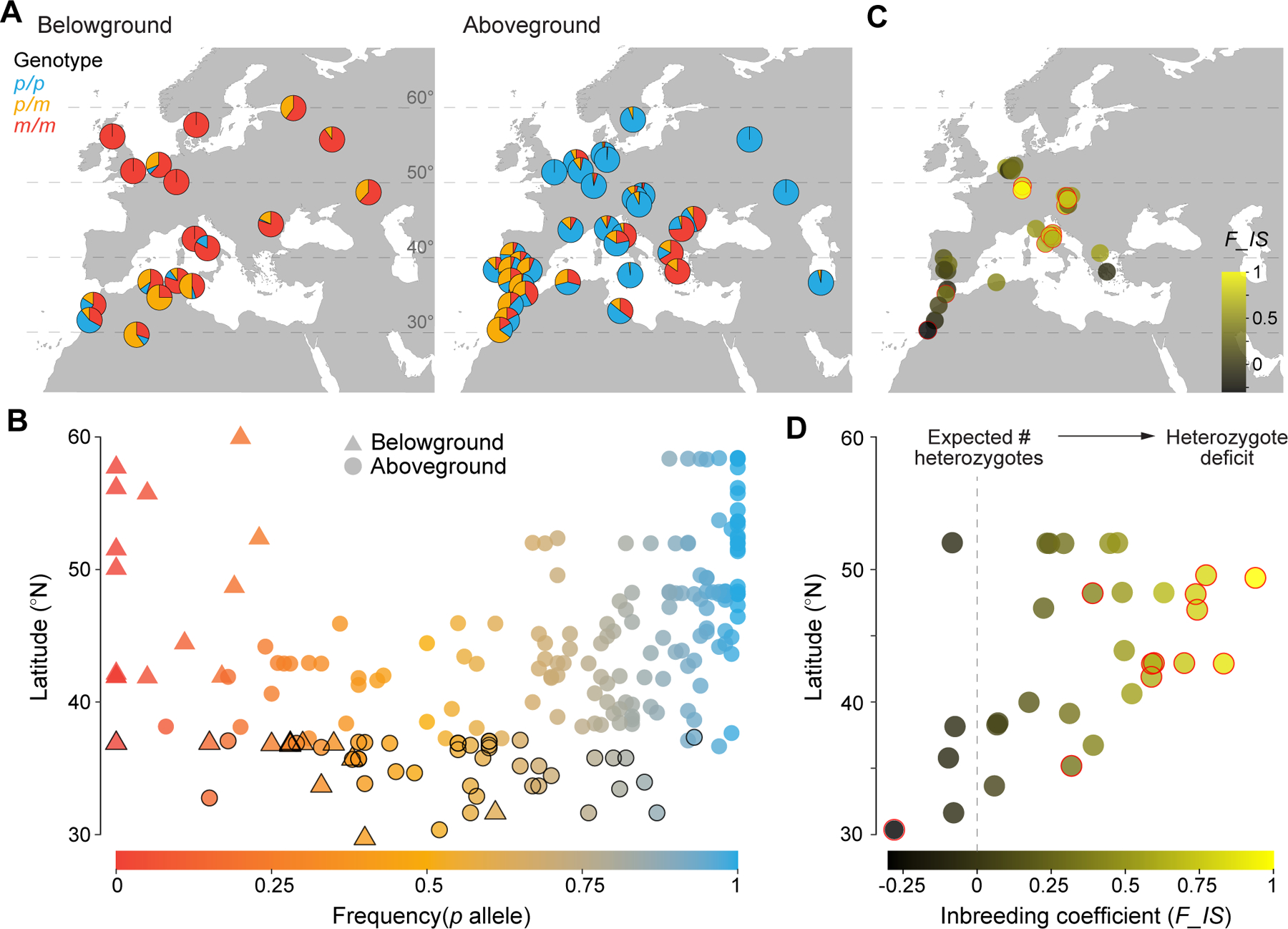
Figure 3.. Genetic data illustrate a latitudinal gradient from distinct northern ecotypes to intermediate southern populations.
Compilation of published CQ11 genotype data for up to 214 diverse Cx. pipiens populations (see Table S1 and Supplemental Methods for details). A, Genotype frequencies for 18 belowground populations (left, N≥8 individuals each) and 35 geographically representative aboveground populations (right, N≥30 except two Russian populations N=7–12). p, pipiens allele; m, molestus allele. B, Allele frequencies for 214 populations (N≥5 individuals each). Symbols with black outline indicate North Africa. C-D, Inbreeding coefficient F_IS for 32 aboveground populations with N≥30 and minor allele frequency≥0.05. Red outlines mark significant departures from Hardy-Weinberg equilibrium, with positive and negative values indicating a heterozygote deficit and excess, respectively. Pies/dots in A and C are jittered from their exact locations for visibility. Taken together, these data suggest that genetically distinct aboveground and belowground ecotypes in northern Europe break down into highly variable, structured populations at middle latitudes and more reliably intermediate, well-mixed populations in North Africa. However, it is important to keep in mind that single-locus data may not be representative of genome-wide patterns.
Figure 4.
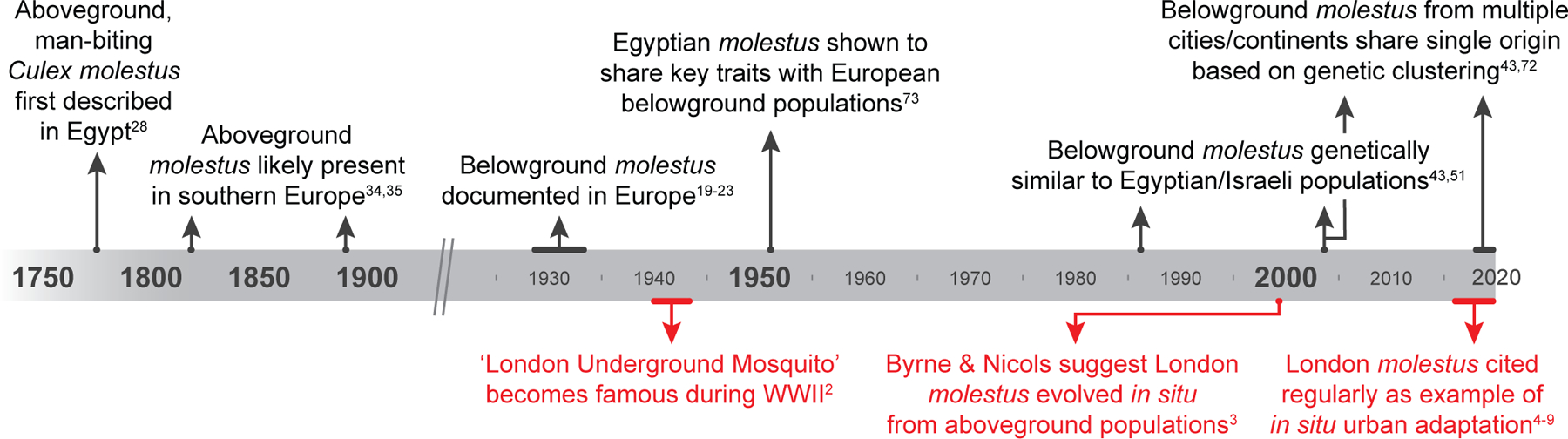
Figure 4.. The theory of in situ evolution in the London Underground Mosquito rose to prominence despite contradictory evidence in the broader scientific literature.
Black lettering describes research on diverse European and Middle Eastern populations. Red lettering describes research and popular attention paid to London Underground mosquitoes. The notoriety of London populations generated a popular narrative of rapid, in situ, urban adaptation that is at odds with genetic and ecological data linking them to previously described taxa in both Europe and the Middle East.
Figure 5.
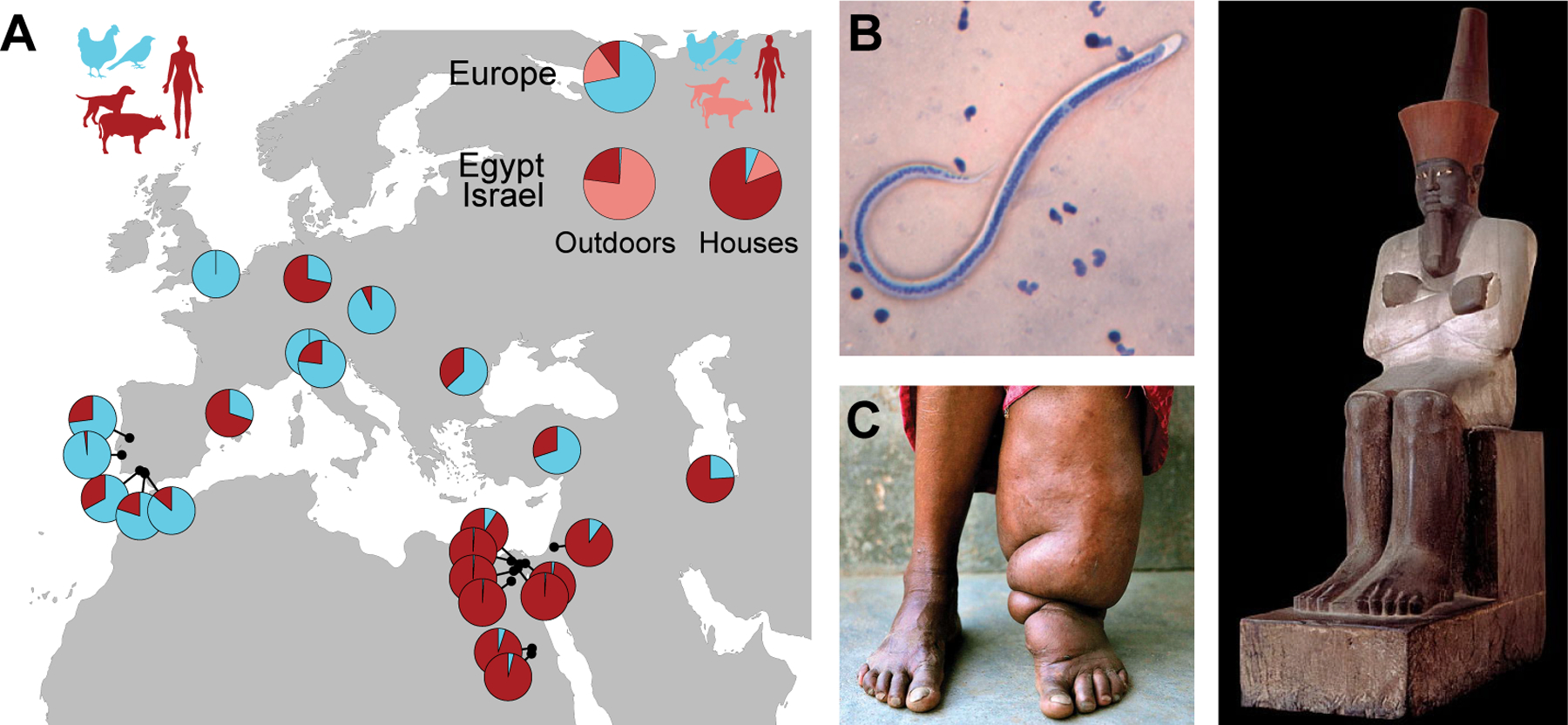
Figure 5.. Cx. pipiens populations from the Middle East are mammal-biting, consistent with their recent and possibly ancient role in disease transmission.
A, Published host-choice data for 27 aboveground Cx. pipiens populations (Table S2, see Supplemental Methods). Pies placed on the map show fraction of bloodmeals taken from birds (light blue) or mammals (maroon) in nature. Inset summarizes data for outdoor and indoor house collection sites separately, with mammal meals further divided into human and non-human fractions. Mosquitoes from aboveground populations in Egypt and Israel consistently bite mammals, including humans. B, Wuchereria bancrofti is a human-specific filarial worm that was prevalent in Egypt and transmitted by Cx. pipiens during the 20th c. Photo shows blood smear with ~0.3 mm long larva. C, W. bancrofti infections can cause swelling in the legs known as elephantiasis. D, A statue of the pharaoh Mentuhotep II with an enlarged left leg is one of several ancient Egyptian artifacts that suggest W. bancrofti infections have been prevalent in the Middle East for millennia. Images in (B-D) from www.cdc.gov/dpdx/lymphaticfilariasis/index.html (B), www.dnaindia.com/india/report-an-elephantine-problem-haunts-bihar-jharkhand-uttar-pradesh-2741585 (C), and www.meisterdrucke.uk/fine-art-prints/Egyptian-11th-Dynasty/603893/Statue-of-Nebhepetre-Mentuhotep-II,-from-the-Funerary-Temple-of-Mentuhotep-II,-Deir-el-Bahri,-Middle-Kingdom-(painted-sandstone).html (D).
Figure 6.
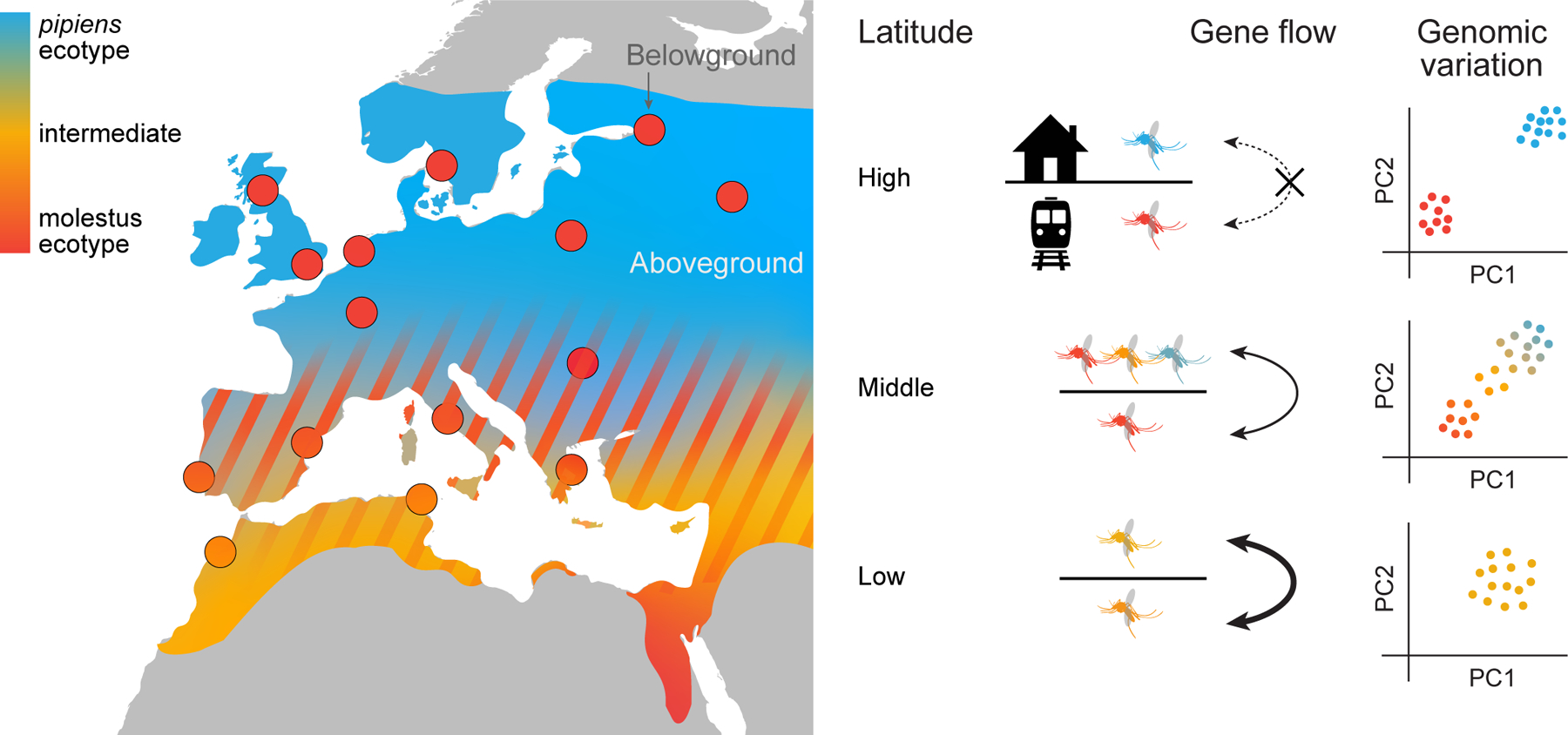
Figure 6.. Summary of ecogenetic variation within Cx. pipiens across the western Palearctic.
The available data suggest a latitudinal model in which aboveground populations (represented by background map color) and belowground populations (represented by circles) are reproductively isolated in the north, where they correspond to the canonical pipiens (blue) and molestus (red) ecotypes. Gene flow increases as one moves south, generating a complex ecological mosaic with variable aboveground populations at middle latitudes (hatching), and a genetically and ecologically intermediate form in the wetter, western parts of North Africa (orange). Schematics at right show the types of mosquitoes typically found above and below ground in each latitudinal band and expected patterns of genomic variation (hypothetical principal components analyses of multilocus data). Belowground molestus populations from the north (red circles) are behaviorally and genetically similar to Egyptian populations (solid red background color). molestus may have originally evolved thousands of years ago in association with early Egyptian or other Middle Eastern agricultural societies, before moving north and eventually colonizing urban belowground habitats during modern times.

References

    1. Gardiner J (2011). The Blitz: The British Under Attack (HarperPress) https://www.harpercollins.com/products/the-blitz-the-british-under-attac...
    1. Shute PG (1951). Culex molestus. Trans. R. Entomol. Soc. Lond 102, 380–382.
    1. Byrne K, and Nichols RA (1999). Culex pipiens in London Underground tunnels: differentiation between surface and subterranean populations. Heredity 82, 7–15. - PubMed
    1. Johnson MTJ, and Munshi-South J (2017). Evolution of life in urban environments. Science 358, eaam8327. - PubMed
    1. Thompson KA, Rieseberg LH, and Schluter D (2018). Speciation and the City. Trends Ecol. Evol 33, 815–826. - PubMed

Publication types