


Antenatal Doppler screening for fetuses at risk of adverse outcomes: a multicountry cohort study of the prevalence of abnormal resistance index in low-risk pregnant women
- PMID: 35296477
- PMCID: PMC8928296
- DOI: 10.1136/bmjopen-2021-053622
Antenatal Doppler screening for fetuses at risk of adverse outcomes: a multicountry cohort study of the prevalence of abnormal resistance index in low-risk pregnant women
Abstract
Introduction: Few interventions exist to address the high burden of stillbirths in apparently healthy pregnant women in low- and middle-income countries (LMICs). To establish whether a trial on the impact of routine Doppler screening in a low-risk obstetric population is warranted, we determined the prevalence of abnormal fetal umbilical artery resistance indices among low-risk pregnant women using a low-cost Doppler device in five LMICs.
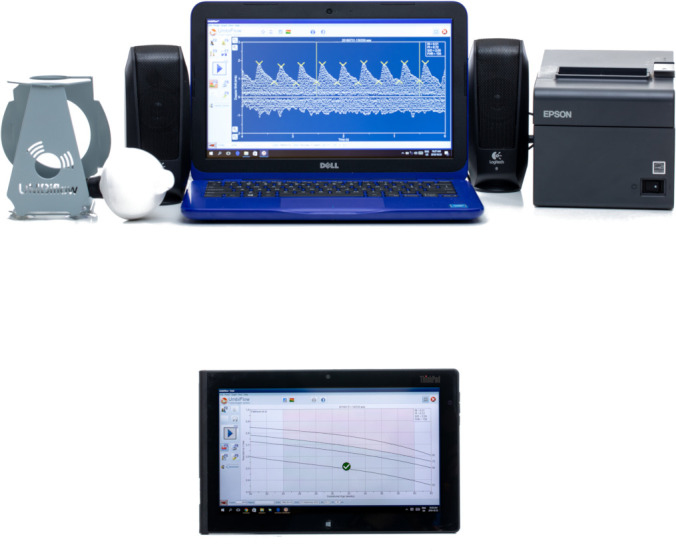
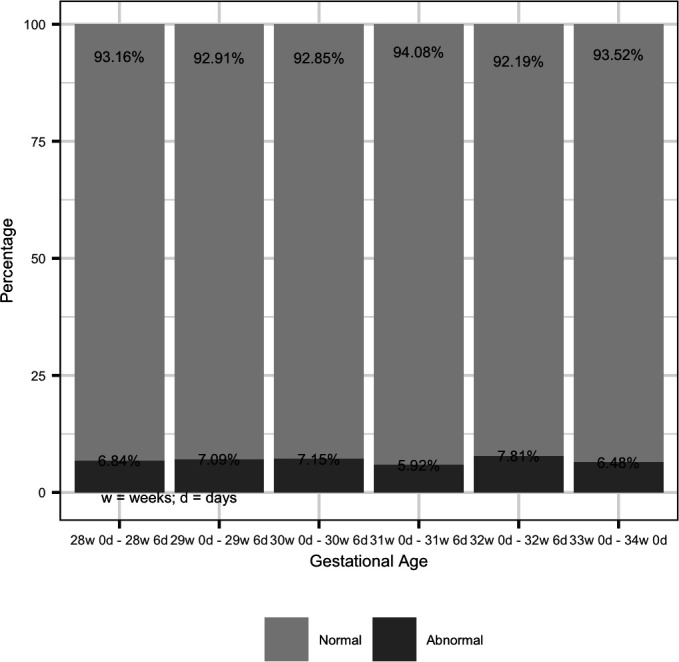
Methods: We conducted a multicentre, prospective cohort study in Ghana, India, Kenya, Rwanda and South Africa. Trained nurses or midwives performed a single, continuous-wave Doppler screening using the Umbiflow device for low-risk pregnant women (according to local guidelines) between 28 and 34 weeks' gestation. We assessed the prevalence of abnormal (raised) resistance index (RI), including absent end diastolic flow (AEDF), and compared pregnancy and health service utilisation outcomes between women with abnormal RI versus those with normal RI.
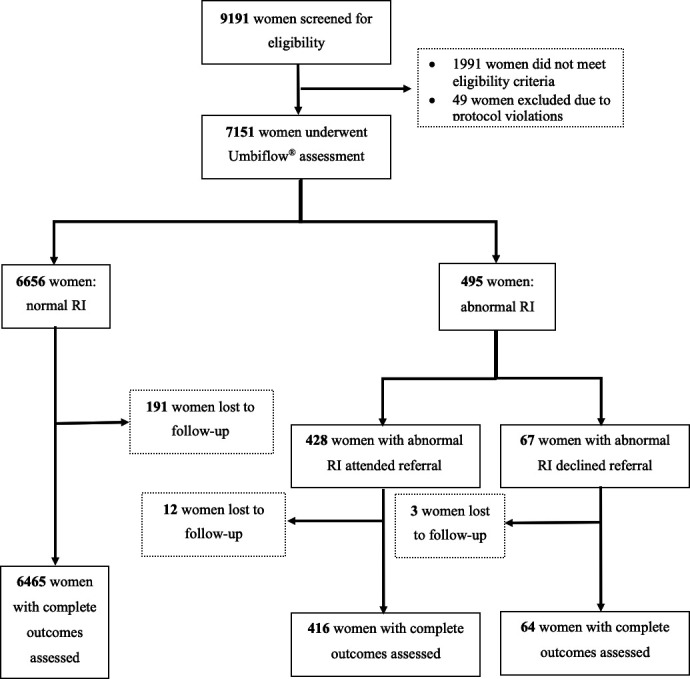
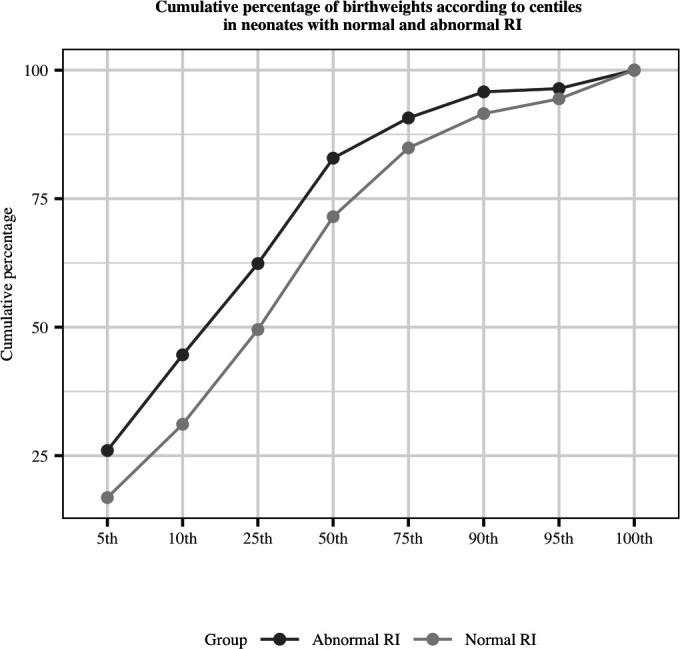
Results: Of 7151 women screened, 495 (6.9%) had an abnormal RI, including 14 (0.2%) with AEDF. Caesarean section (40.8% vs 28.1%), labour induction (20.5% vs 9.0%) and low birth weight (<2500 g) (15.0% vs 6.8%) were significantly more frequent among women with abnormal RI compared with women with normal RI. Abnormal RI was associated with lower birth weights across all weight centiles. Stillbirth and perinatal mortality rates were similar between women with normal and abnormal RI.
Conclusion: A single Doppler screening of low-risk pregnant women in LMICs using the Umbiflow device can detect a large number of fetuses at risk of growth restriction and consequent adverse perinatal outcomes. Many perinatal deaths could potentially be averted with appropriate intervention strategies.
Trial registration number: CTRI/2018/07/01486.
Keywords: obstetrics; primary care; public health.
©World Health Organization 2022. Licensee BMJ.
Conflict of interest statement
Competing interests: The South African Medical Research Council (SAMRC)/University of Pretoria (UP) Maternal and Infant Healthcare Strategies Unit (VV, RCP) has previously received funding from SAMRC and the Council for Scientific and Industrial Research (CSIR) for Umbiflow research done by Nkosi et al. and Hlongwane et al. The CSIR provided the Umbiflow Doppler probes and Umbiflow software used in this study. As a satellite research unit, the SAMRC Maternal and Infant Healthcare Strategies Unit receives research funding from the SAMRC.
Figures
References
-
- United Nations Inter-agency Group for Child Mortality Estimation (UN IGME) . A neglected tragedy: the global burden of stillbirths. New York: United Nations Children’s Fund, 2020.
Publication types
MeSH terms
Grants and funding
LinkOut - more resources
Full Text Sources
Medical
