. 2022 Mar;6(3):257-266.
doi: 10.1038/s41551-022-00855-9. Epub 2022 Mar 17.

Massively parallel enrichment of low-frequency alleles enables duplex sequencing at low depth

Affiliations

Massively parallel enrichment of low-frequency alleles enables duplex sequencing at low depth

Gregory Gydush et al. Nat Biomed Eng. 2022 Mar.

Abstract

Assaying for large numbers of low-frequency mutations requires sequencing at extremely high depth and accuracy. Increasing sequencing depth aids the detection of low-frequency mutations yet limits the number of loci that can be simultaneously probed. Here we report a method for the accurate tracking of thousands of distinct mutations that requires substantially fewer reads per locus than conventional hybrid-capture duplex sequencing. The method, which we named MAESTRO (for minor-allele-enriched sequencing through recognition oligonucleotides), combines massively parallel mutation enrichment with duplex sequencing to track up to 10,000 low-frequency mutations, with up to 100-fold fewer reads per locus. We show that MAESTRO can be used to test for chimaerism by tracking donor-exclusive single-nucleotide polymorphisms in sheared genomic DNA from human cell lines, to validate whole-exome sequencing and whole-genome sequencing for the detection of mutations in breast-tumour samples from 16 patients, and to monitor the patients for minimal residual disease via the analysis of cell-free DNA from liquid biopsies. MAESTRO improves the breadth, depth, accuracy and efficiency of mutation testing by sequencing.


Figures

Figure 1:
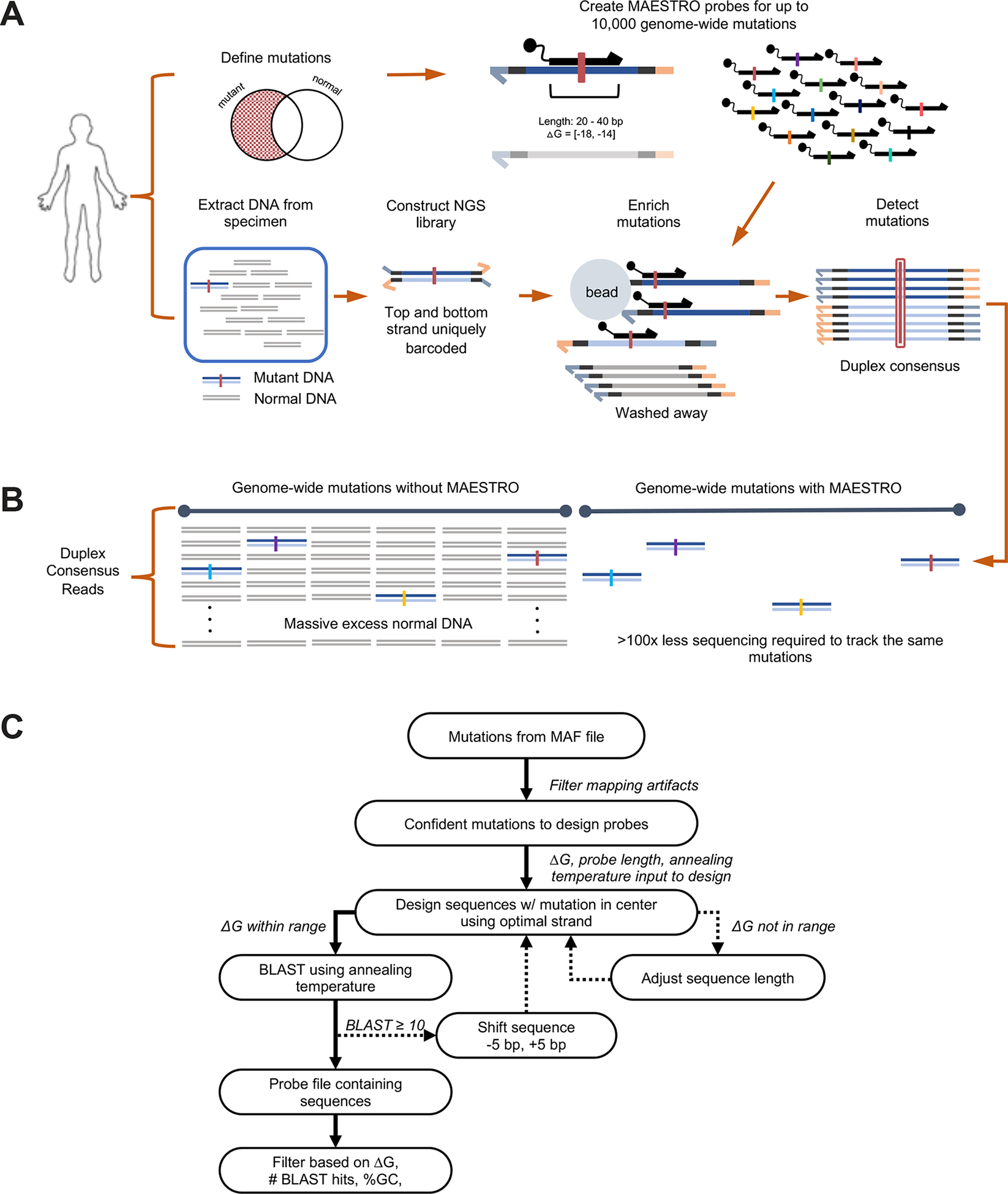
Figure 1:. MAESTRO enables accurate mutation tracking using minimal sequencing in clinical specimens.
(A) Up to 10,000 MAESTRO probes are designed with stringent length and ΔG for single-nucleotide discrimination of predefined mutations. DNA libraries containing uniquely barcoded top and bottom strands are subject to hybrid capture using allele-specific MAESTRO probes. Only molecules containing tracked mutations are captured and sequenced with duplex consensus for error suppression. (B) Using MAESTRO, the same mutations are discovered using up to 100x less sequencing because uninformative regions are depleted. (C) Probe design overview. See probe design section of Methods.
Figure 2:
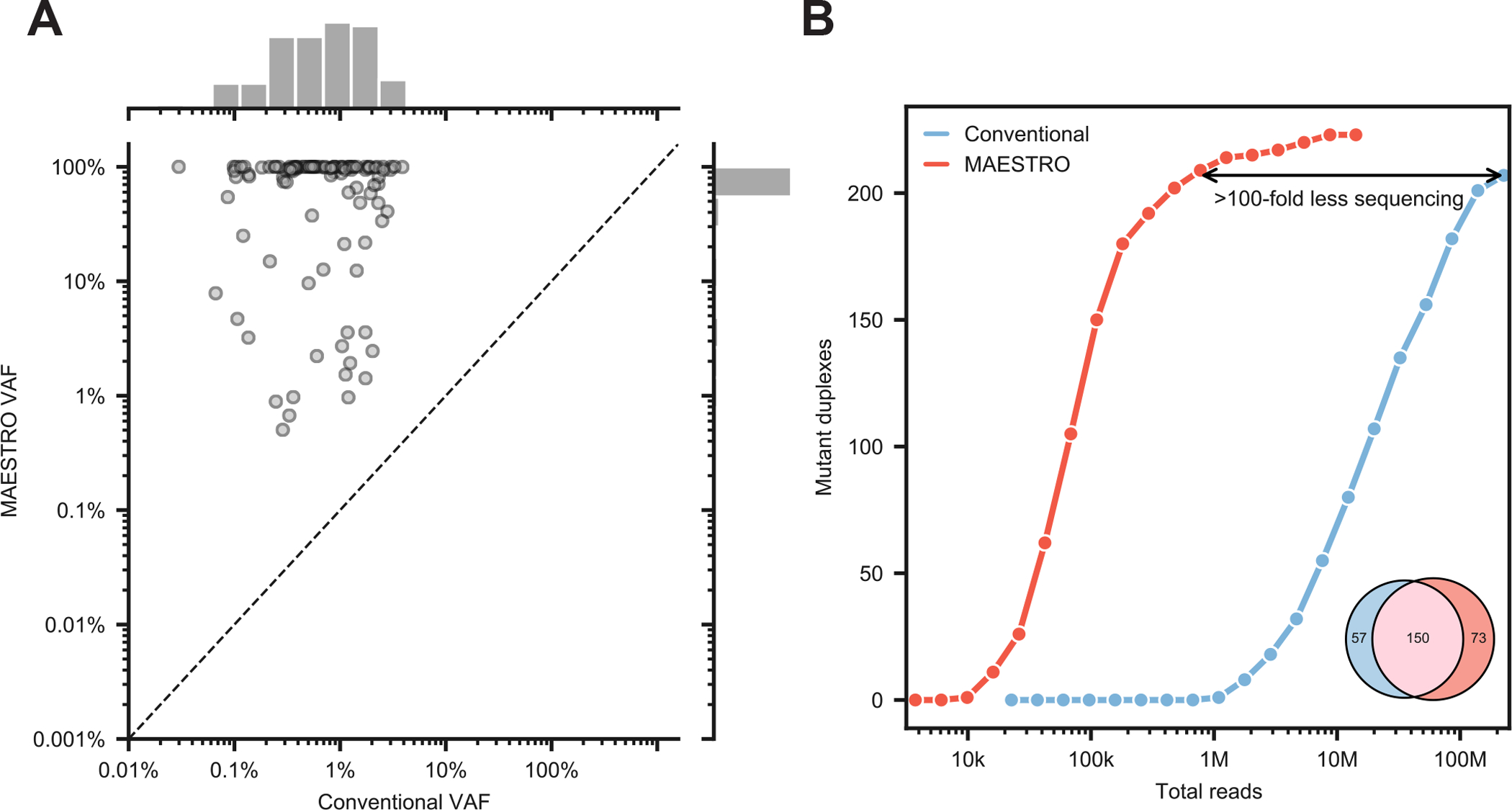
Figure 2:. MAESTRO uncovers most mutant duplexes using significantly fewer reads.
(A) Comparison of variant allele frequency with Conventional and MAESTRO with 438 probe panel at 1/1k dilution. (B) Downsampling of Conventional and MAESTRO. As an inset, mutant duplex overlap is shown; of the 57 mutant duplexes exclusive to Conventional, 42 were detected by MAESTRO but excluded by the noise filter. The initial sample was barcoded with UMIs (unique molecular indices) which allowed for tracking individual duplex molecules through different experimental conditions.
Figure 3:
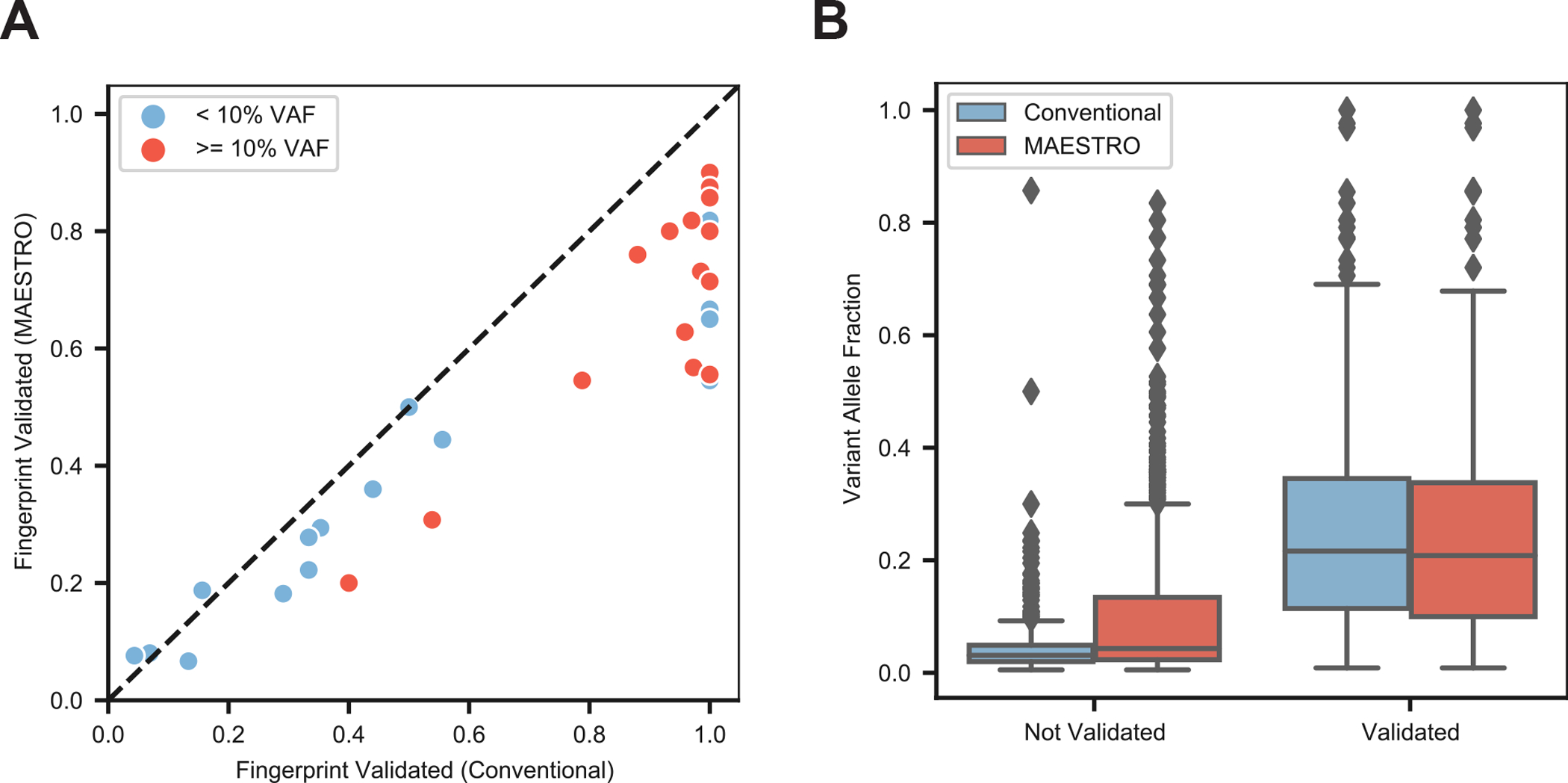
Figure 3:. MAESTRO fingerprint validation of whole exome tumor samples.
(A) Performance of n=16 tumor fingerprints using both Conventional and MAESTRO. Mutations were called from the n=16 tumor biopsies and both Conventional and MAESTRO probe sets (fingerprints) were created for all possible mutations from each tumor. The tumor biopsy libraries were captured with the Conventional and MAESTRO fingerprints and duplexes were sequenced. Fingerprints were split into two groups based on whether or not their original tumor VAF was < 10%. A mutation was considered validated if it was observed in the sequenced duplexes of the Conventional or MAESTRO sample. (B) Comparing variant allele fraction across all mutations from all Conventional (n=16) and MAESTRO (n=16) panels. Center line represents the median and bounds of the box indicate the first and third quartiles.
Figure 4:
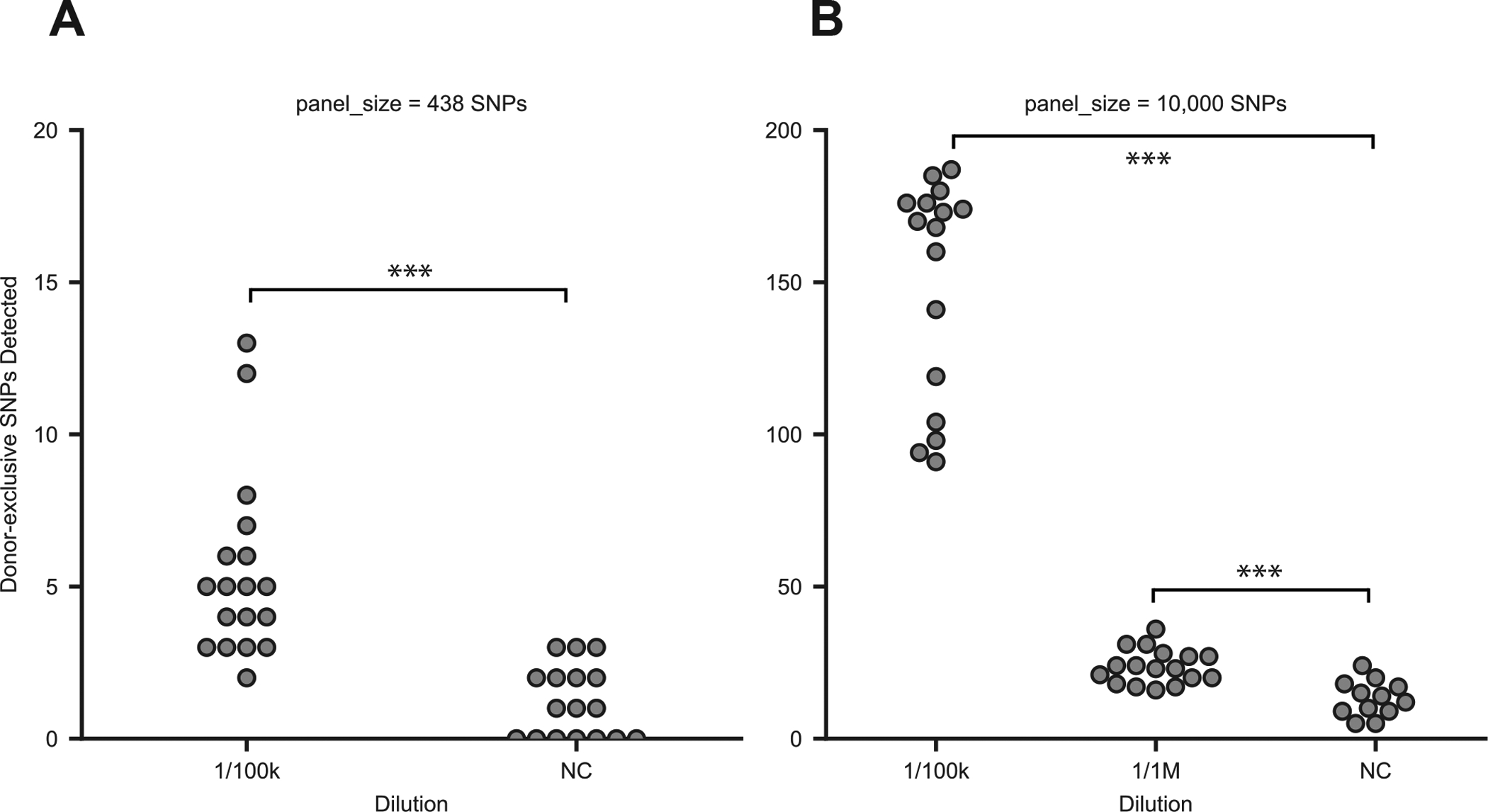
Figure 4:. MAESTRO can detect signal above noise at 1/100k dilution.
(A) Donor-exclusive SNPs detected in MAESTRO using a 438 probe panel across 18 × biological replicates of a 1/100k dilution and 17 × biological replicates of a negative control (p=1.16E-5, two-sided Welch’s t-test). (B) Donor-exclusive SNPs detected in MAESTRO using a 10,000 probe panel across 16 × biological replicates of a 1/100k dilution, 17 × biological replicates of 1/1M, and 12 × negative controls. The Welch’s t-test (two-sided) was used to determine whether significantly more donor-exclusive SNPs were uncovered in each dilution compared to the negative controls (1/100k vs. NC p=7.23E-11; 1/1M vs NC p=7.47E-5).
Figure 5:
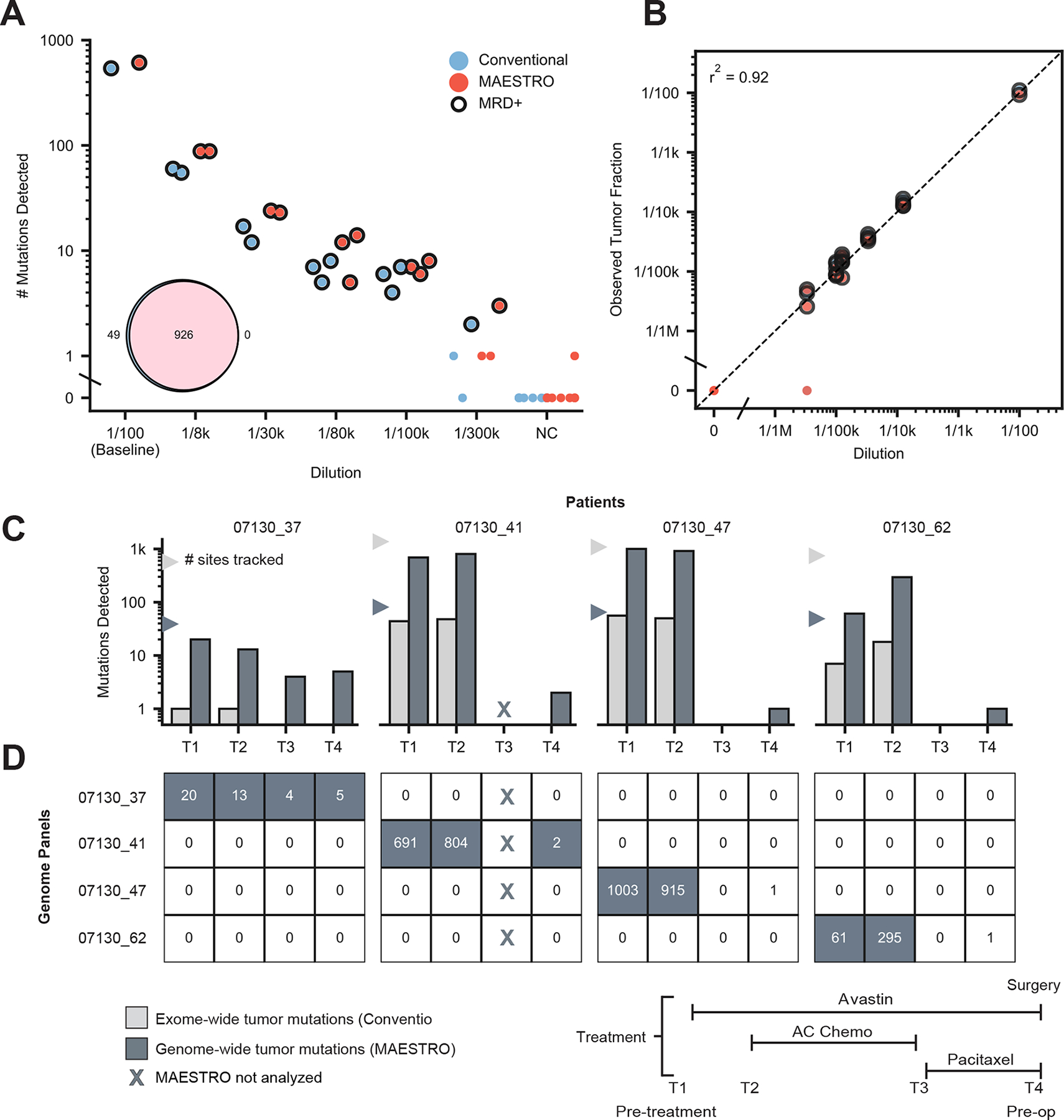
Figure 5:. MAESTRO improves detection of MRD in pre-operative setting.
(A) Number of mutations detected at various tumor fraction dilutions between 1/100 and 1/300k using the cfDNA from a cancer patient and healthy donor. A 978 SNV genome-wide fingerprint exclusive to the cancer patient’s tumor was used for all replicates. Eight unrelated healthy donors were used as negative controls (NC). Closed circles indicate MRD(+). Inset shows number of mutations validated using Conventional and MAESTRO when each panel was applied to patient’s tumor DNA. (B) Observed tumor fraction versus expected dilution for Conventional and MAESTRO probes. (C) Genome-wide tumor mutations detected with MAESTRO compared to exome-wide tumor mutations detected with a personalized MRD test built on our Conventional assay. Fingerprint sizes for the two conditions are shown with triangles. Mutations from all patients were combined into a single panel for MAESTRO and the same panel was applied to all samples. (D) The heatmap shows mutation counts detected using MAESTRO with patient-specific mutations on the diagonal. Filled boxes indicate MRD(+); Unfilled boxes indicate MRD(−). When each panel was applied to the other three patients’ timepoints, there was no evidence of false positives (off-diagonal), highlighting MAESTRO’s specificity.

References

    1. Luquette LJ, Bohrson CL, Sherman MA & Park PJ Identification of somatic mutations in single cell DNA-seq using a spatial model of allelic imbalance. Nat. Commun 10, 3908 (2019). - PMC - PubMed
    1. Ludwig LS et al. Lineage Tracing in Humans Enabled by Mitochondrial Mutations and Single-Cell Genomics. Cell 176, 1325–1339. e22 (2019). - PMC - PubMed
    1. Zahn LM Mapping genotype to phenotype. Science vol. 362 555.4–556 (2018).
    1. D’Gama AM & Walsh CA Somatic mosaicism and neurodevelopmental disease. Nat. Neurosci 21, 1504–1514 (2018). - PubMed
    1. Garcia-Murillas I et al. Assessment of Molecular Relapse Detection in Early-Stage Breast Cancer. JAMA Oncol (2019) doi: 10.1001/jamaoncol.2019.1838. - DOI - PMC - PubMed

Publication types

MeSH terms