


Targeting the Adaptive Immune System in Depression: Focus on T Helper 17 Cells
- PMID: 35302045
- PMCID: PMC8973514
- DOI: 10.1124/pharmrev.120.000256
Targeting the Adaptive Immune System in Depression: Focus on T Helper 17 Cells
Abstract
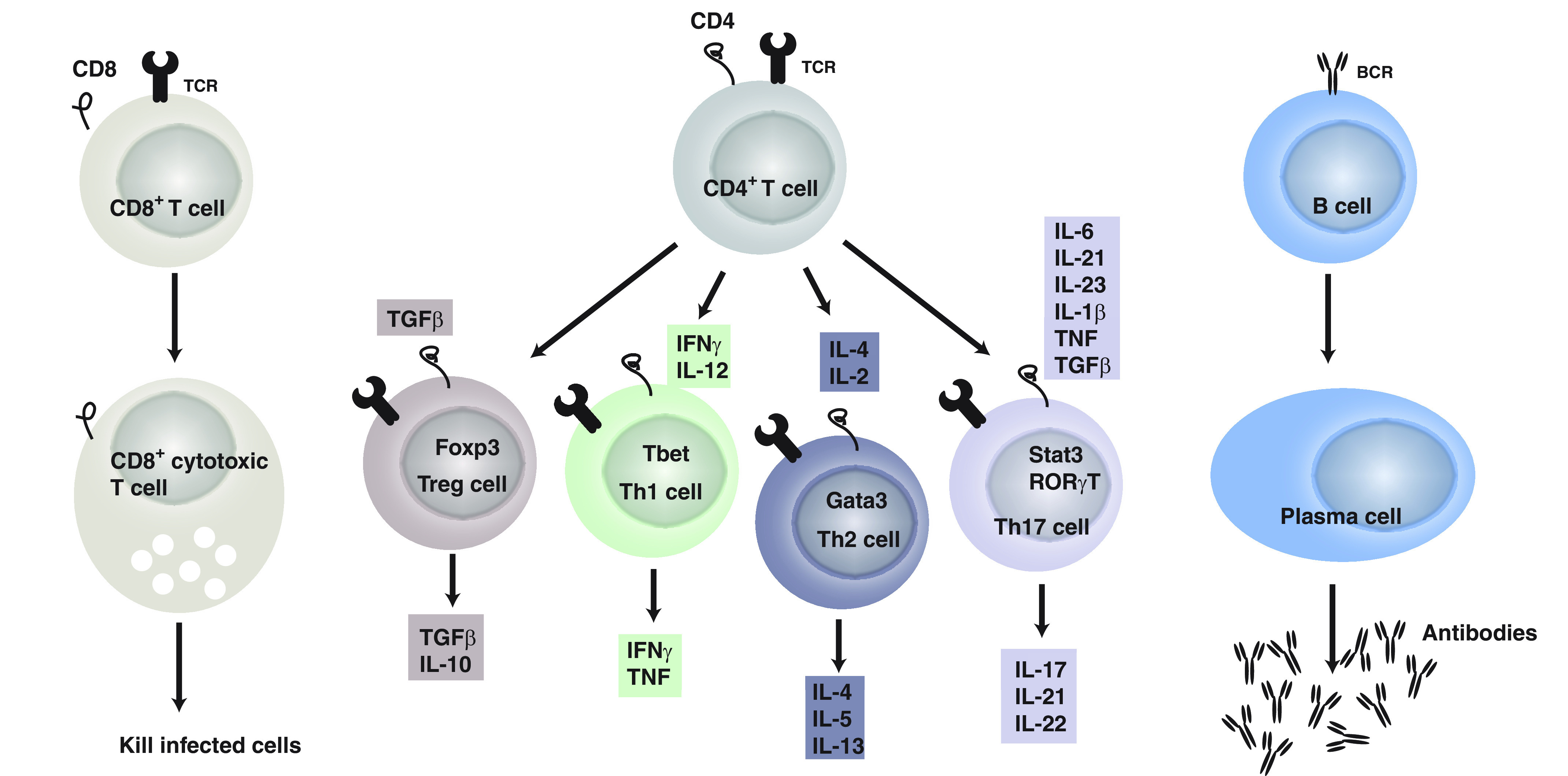
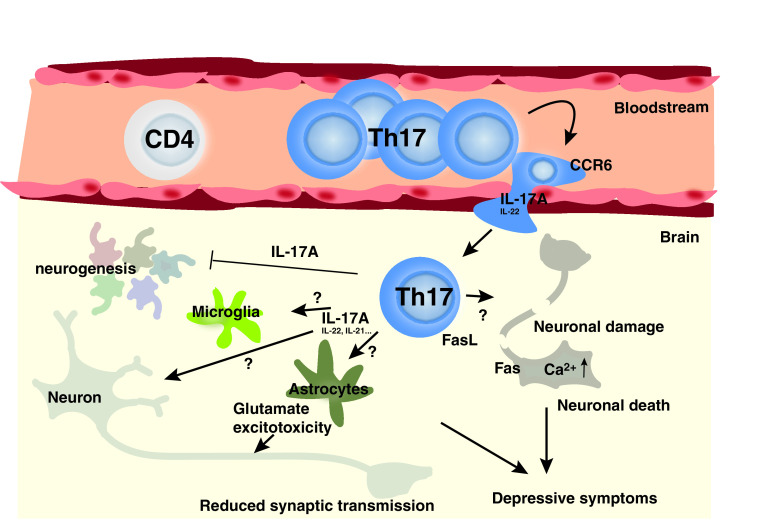
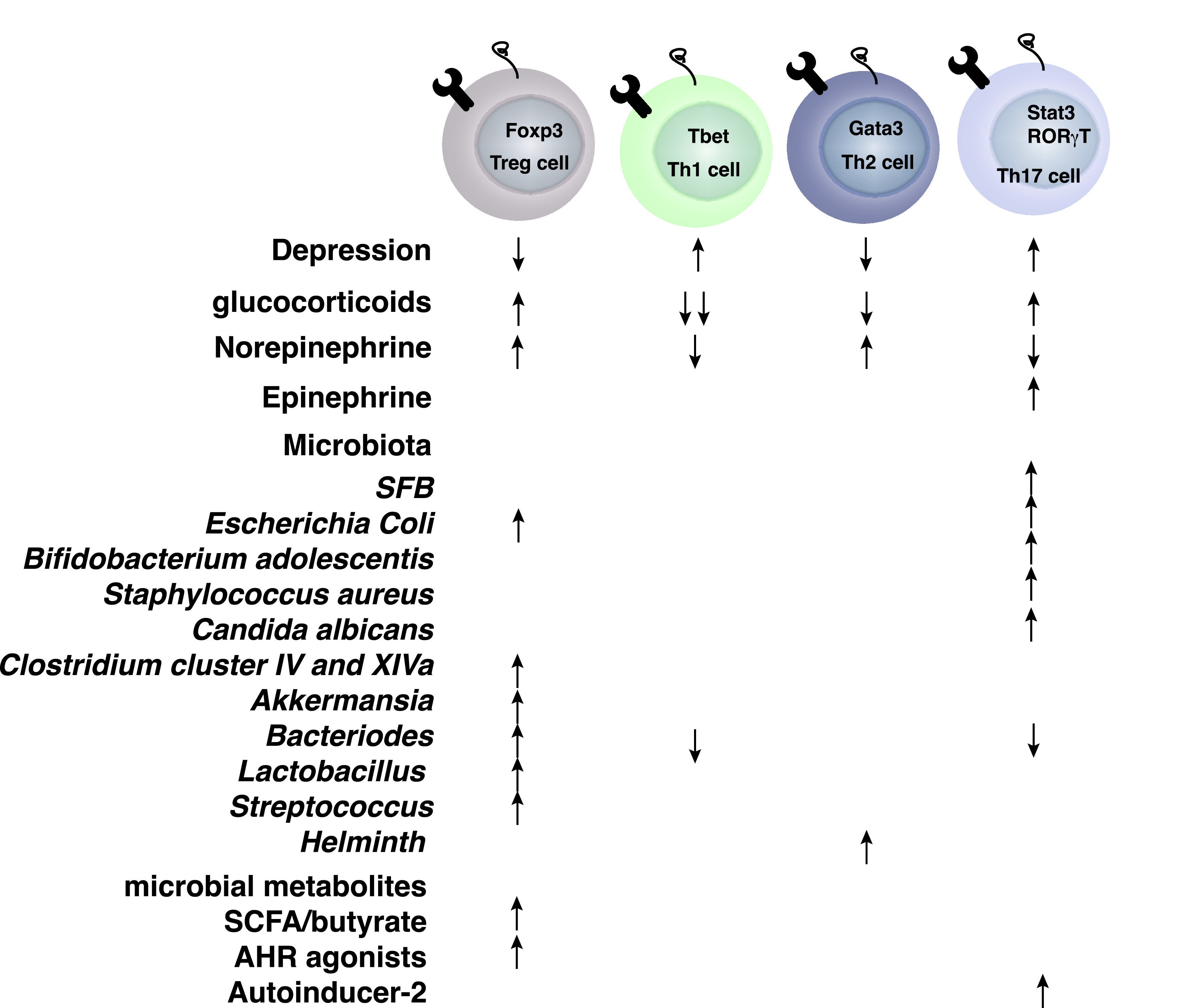
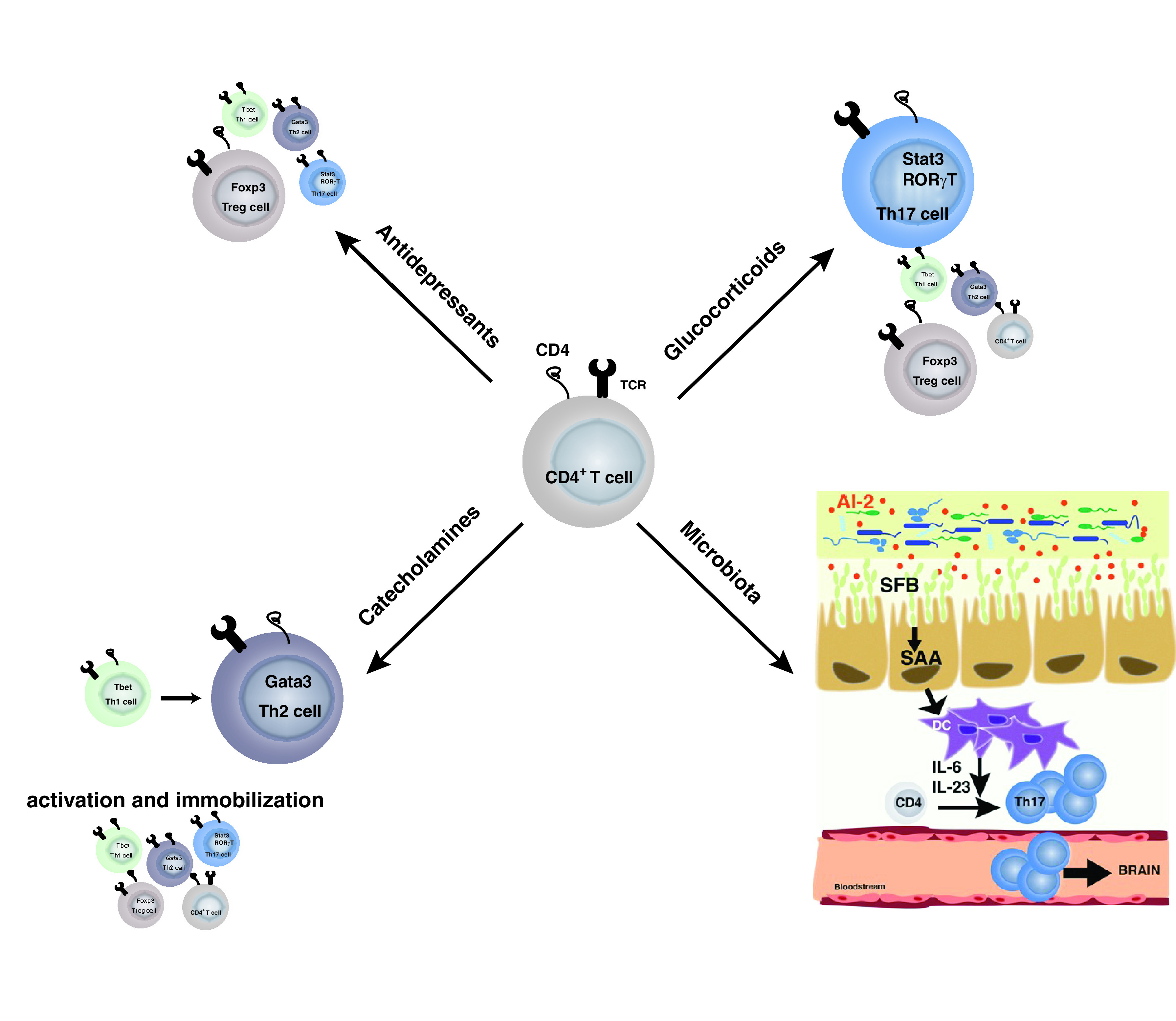
There is a vital need to understand mechanisms contributing to susceptibility to depression to improve treatments for the 11% of Americans who currently suffer from this debilitating disease. The adaptive immune system, comprising T and B cells, has emerged as a potential contributor to depression, as demonstrated in the context of lymphopenic mice. Overall, patients with depression have reduced circulating T and regulatory B cells, "immunosuppressed" T cells, and alterations in the relative abundance of T cell subtypes. T helper (Th) cells have the capacity to differentiate to various lineages depending on the cytokine environment, antigen stimulation, and costimulation. Regulatory T cells are decreased, and the Th1/Th2 ratio and the Th17 cells are increased in patients with depression. Evidence for changes in each Th lineage has been reported to some extent in patients with depression. However, the evidence is strongest for the association of depression with changes in Th17 cells. Th17 cells produce the inflammatory cytokine interleukin (IL)-17A, and the discovery of Th17 cell involvement in depression evolved from the well established link that IL-6, which is required for Th17 cell differentiation, contributes to the onset, and possibly maintenance, of depression. One intriguing action of Th17 cells is their participation in the gut-brain axis to mediate stress responses. Although the mechanisms of action of Th17 cells in depression remain unclear, neutralization of IL-17A by anti-IL-17A antibodies, blocking stress-induced production, or release of gut Th17 cells represent feasible therapeutic approaches and might provide a new avenue to improve depression symptoms. SIGNIFICANCE STATEMENT: Th17 cells appear as a promising therapeutic target for depression, for which efficacious therapeutic options are limited. The use of neutralizing antibodies targeting Th17 cells has provided encouraging results in depressed patients with comorbid autoimmune diseases.
Copyright © 2022 by The American Society for Pharmacology and Experimental Therapeutics.
Figures
References
-
- Adams TB, Wharton CM, Quilter L, Hirsch T (2008) The association between mental health and acute infectious illness among a national sample of 18- to 24-year-old college students. J Am Coll Health 56:657–663. - PubMed
-
- Ahmetspahic DSchwarte KAmbrée OBürger CFalcone VSeiler KKooybaran MRGrosse LRoos FScheffer J, et al. (2018) Altered B cell homeostasis in patients with major depressive disorder and normalization of CD5 surface expression on regulatory B cells in treatment responders. J Neuroimmune Pharmacol 13:90–99. - PubMed
Publication types
MeSH terms
Substances
Grants and funding
LinkOut - more resources
Full Text Sources
Medical
