


Oral dextrose gel for the treatment of hypoglycaemia in newborn infants
- PMID: 35302645
- PMCID: PMC8932405
- DOI: 10.1002/14651858.CD011027.pub3
Oral dextrose gel for the treatment of hypoglycaemia in newborn infants
Abstract
Background: Neonatal hypoglycaemia, a common condition, can be associated with brain injury. It is frequently managed by providing infants with an alternative source of glucose, often given enterally with milk-feeding or intravenously with dextrose solution, which may decrease breastfeeding success. Intravenous dextrose also often requires that mother and baby are cared for in separate environments. Oral dextrose gel is simple and inexpensive, and can be administered directly to the buccal mucosa for rapid correction of hypoglycaemia, in association with continued breastfeeding and maternal care. This is an update of a previous review published in 2016.
Objectives: To assess the effectiveness of oral dextrose gel in correcting hypoglycaemia in newborn infants from birth to discharge home and reducing long-term neurodevelopmental impairment.
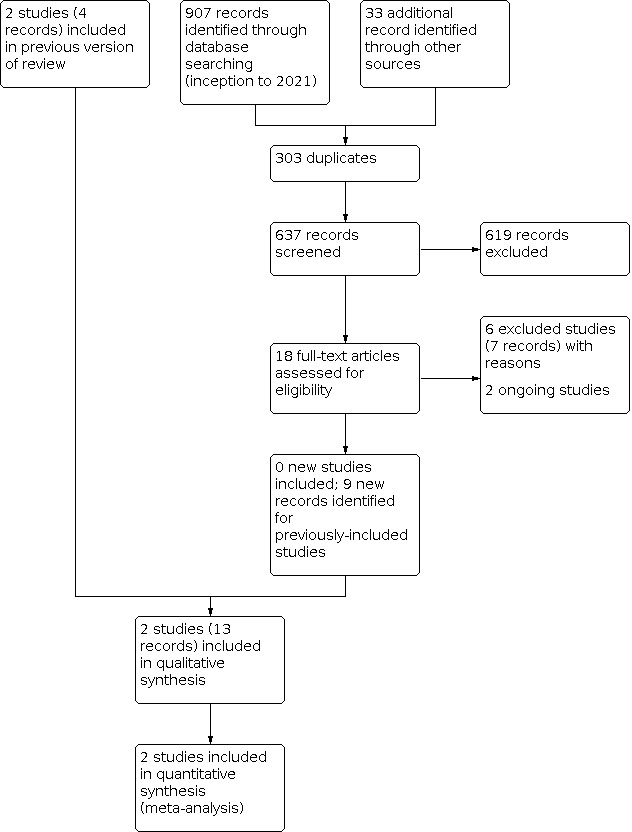
Search methods: We searched the Cochrane Central Register of Controlled Trials, MEDLINE, and Embase from database inception to October 2021. We also searched international clinical trials networks, the reference lists of included trials, and relevant systematic reviews identified in the search. SELECTION CRITERIA: We included randomised controlled trials (RCTs) and quasi-RCTs comparing oral dextrose gel versus placebo, no treatment, or other therapies for the treatment of neonatal hypoglycaemia in newborn infants from birth to discharge home.
Data collection and analysis: Two review authors independently assessed study quality and extracted data; they did not assess publications for which they were study authors. We contacted investigators to obtain additional information. We used fixed-effect models and the GRADE approach to assess the certainty of evidence.
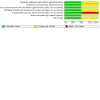
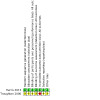
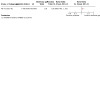
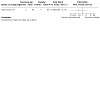
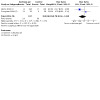
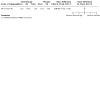
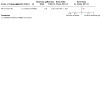
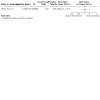
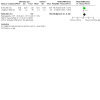
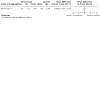
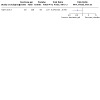
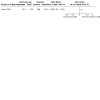
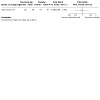
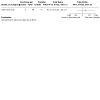
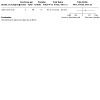
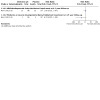
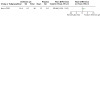
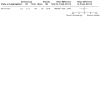
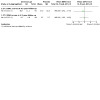
Main results: We included two studies conducted in high-income countries, involving 312 late preterm and at-risk term infants and comparing oral dextrose gel (40% concentration) to placebo gel. One study was at low risk of bias, and the other (an abstract) was at unclear to high risk of bias. Oral dextrose gel compared with placebo gel probably increases correction of hypoglycaemic events (rate ratio 1.08, 95% confidence interval (CI) 0.98 to 1.20; rate difference 66 more per 1000, 95% CI 17 fewer to 166 more; 1 study; 237 infants; moderate-certainty evidence), and may result in a slight reduction in the risk of major neurological disability at age two years or older, but the evidence is uncertain (risk ratio (RR) 0.46, 95% CI 0.09 to 2.47; risk difference (RD) 24 fewer per 1000, 95% CI 41 fewer to 66 more; 1 study, 185 children; low-certainty evidence). The evidence is very uncertain about the effect of oral dextrose gel compared with placebo gel or no gel on the need for intravenous treatment for hypoglycaemia (RR 0.78, 95% CI 0.46 to 1.32; RD 37 fewer per 1000, 95% CI 91 fewer to 54 more; 2 studies, 312 infants; very low-certainty evidence). Investigators in one study of 237 infants reported no adverse events (e.g. choking or vomiting at the time of administration) in the oral dextrose gel or placebo gel group (low-certainty evidence). Oral dextrose gel compared with placebo gel probably reduces the incidence of separation from the mother for treatment of hypoglycaemia (RR 0.54, 95% CI 0.31 to 0.93; RD 116 fewer per 1000, 95% CI 174 fewer to 18 fewer; 1 study, 237 infants; moderate-certainty evidence), and increases the likelihood of exclusive breastfeeding after discharge (RR 1.10, 95% CI 1.01 to 1.18; RD 87 more per 1000, 95% CI 9 more to 157 more; 1 study, 237 infants; moderate-certainty evidence). AUTHORS' CONCLUSIONS: Oral dextrose gel (specifically 40% dextrose concentration) used to treat hypoglycaemia in newborn infants (specifically at-risk late preterm and term infants) probably increases correction of hypoglycaemic events, and may result in a slight reduction in the risk of major neurological disability at age two years or older. Oral dextrose gel treatment probably reduces the incidence of separation from the mother for treatment and increases the likelihood of exclusive breastfeeding after discharge. No adverse events have been reported. Oral dextrose gel is probably an effective and safe first-line treatment for infants with neonatal hypoglycaemia in high-income settings. More evidence is needed about the effects of oral dextrose gel treatment on later neurological disability and the need for other treatments for hypoglycaemia. Future studies should be conducted in low-and middle-income settings, in extremely and moderately preterm infants, and compare oral dextrose gel with other therapies such as intravenous dextrose. There are two ongoing studies that may alter the conclusions of this review when published.
Copyright © 2016 The Cochrane Collaboration. Published by John Wiley & Sons, Ltd.
Conflict of interest statement
TE: has no interests to declare, independently extracted data from the Harris 2013 and Troughton 2000 studies, and checked against the study report and any available study registration details or protocol.
GL: has no interests to declare, independently extracted data from the Harris 2013 and Troughton 2000 studies, and checked against the study report and any available study registration details or protocol.
PJW: contributed to the design and conduct of one of the included studies (Harris 2013).
DLH: contributed to the design and conduct of one of the included studies (Harris 2013) and was a member of the Steering group for the two follow‐up studies (Harris 2016; Harris 2019).
MB: has no interests to declare.
JE Hegarty: has no interests to declare
JE Harding: contributed to the design and conduct of one of the included studies (Harris 2013), and designed and led the two follow‐up studies (Harris 2016; Harris 2019). The funding source for these studies were: Waikato Medical Research Foundation, the Auckland Medical Research Foundation, the Maurice and Phyllis Paykel Trust, the Health Research Council of New Zealand, the Eunice Kennedy Shriver National Institute of Child Health and Human Development, and the Rebecca Roberts Scholarship.
Figures
Update of
-
Oral dextrose gel for the treatment of hypoglycaemia in newborn infants.Cochrane Database Syst Rev. 2016 May 4;(5):CD011027. doi: 10.1002/14651858.CD011027.pub2. Cochrane Database Syst Rev. 2016. Update in: Cochrane Database Syst Rev. 2022 Mar 18;3:CD011027. doi: 10.1002/14651858.CD011027.pub3. PMID: 27142842 Updated.
References
References to studies included in this review
Harris 2013 {published and unpublished data}
-
- Harris D, Alsweiler J, Ansell J, Gamble G, Thompson B, Wouldes T, et al, Children with Hypoglycaemia and their Later Development (CHYLD) Study Team.Outcome at 2 years after dextrose gel treatment for neonatal hypoglycaemia: follow-up of a randomized trial. Journal of Pediatrics 2016;170:54-9. [DOI: 10.1016/j.jpeds.2015.10.066] [PMID: ] - DOI - PMC - PubMed
-
- Harris DL, Ansell JM, Yu TY, Thompson B, Wouldes TA, Harding JE.Early childhood outcomes after treatment with dextrose gel for neonatal hypoglycaemia: follow-up of the sugar babies study. Journal of Paediatrics and Child Health 2015;51(Suppl 1):68. [DOI: 10.1111/jpc.12884_4] - DOI
-
- Harris DL, McKinlay C, Gamble G, Harding JE.Dextrose gel is a safe treatment for neonatal hypoglycaemia: follow up at 4.5 years of the sugar babies randomised trial. Journal of Paediatrics and Child Health 2019;55(Suppl 1):24. [DOI: 10.1111/jpc.14409_60] - DOI
-
- Harris DL, Weston PJ, Alsweiler JM, Thompson B, Wouldes T, Chase G, et al.Two year outcomes of children treated with dextrose gel for neonatal hypoglycaemia: follow up of a randomised trial. Archives of Disease in Childhood 2014;99(Suppl 2):A64-5. [DOI: 10.1136/archdischild-2014-307384.171] - DOI
Troughton 2000 {published data only}
-
- Troughton KE, Corrigan NP, Tait RM.Hypostop gel in the treatment of neonatal hypoglycaemia: a randomised controlled trial. Archives of Disease in Childhood 2000;82(Suppl 1):A30.
References to studies excluded from this review
Barennes 2014 {published data only}
-
- Barennes H, Willcox ML, Gra B, Pussard E.Sublingual sugar for infant hypoglycaemia. Lancet 2014;383(9924):1208. - PubMed
Bora 2019 {published data only}
-
- Bora R, Deori S.Efficacy of oral sugar in management of neonatal hypoglycaemia in small for date neonates is comparable to intravenous sugar in resource poor setting. In: ESPGHAN 52nd Annual Meeting of the European Society for Paediatric Gastroenterology, Hepatology and Nutrition; 2019 June 5-8; Glasgow. Glasgow, Scotland, 2019:1144. [N-P-100]
Halamek 1998 {published data only}
PACTR201612001867999 {published data only}
-
- PACTR201612001867999.The use of oral 10% dextrose for low birth weight newborns in resource poor setting for glycemic control- a randomized control trial. www.who.int/trialsearch/Trial2.aspx?TrialID=PACTR201612001867999 (First received 13 November 2016).
Rivano 2020 {published data only}
TCTR20181204005 {published data only}
-
- TCTR20181204005.Effectiveness of oral glucose solution for the treatment of neonatal hypoglycemia, a randomized, placebo-controlled trial . trialsearch.who.int/?TrialID=TCTR20181204005 (first received 4 December 2018).
References to ongoing studies
CTRI/2017/11/010383 {unpublished data only}
-
- CTRI/2017/11/010383.To study the utility of oral dextrose gel in reducing NICU admission of babies, in the first 2 days of life who develop low sugars and are given intravenous dextrose in the NICU. www.ctri.nic.in/Clinicaltrials/pdf_generate.php?trialid=19902&EncHid... (first received 6 November 2017).
CTRI/2020/01/022678 {unpublished data only}
-
- CTRI/2020/01/022678.A study of comparision of effectiveness of oral glucose gel and IV dextrose in treating hypoglycemia in neonates. www.ctri.nic.in/Clinicaltrials/pdf_generate.php?trialid=35296&EncHid... (first received 9 January 2020).
Additional references
Academy of Breastfeeding Medicine 2021
-
- Wight NE, Stehel E, Noble L, Bartick M, Calhoun S, Kair L, et al.ABM clinical protocol #1: guidelines for glucose monitoring and treatment of hypoglycemia in term and late preterm neonates, revised 2021. Breastfeeding Medicine 2021;16(5):353-65. [DOI: 10.1089/bfm.2021.29178.new] [PMID: ] - DOI - PubMed
Adamkin 2011
Agrawal 2000
Alsweiler 2019
-
- Alsweiler JM, Woodall SM, Crowther CA, Harding JE.Oral dextrose gel to treat neonatal hypoglycaemia: clinician survey. Journal of Paediatrics and Child Health 2019;55:844-50. [DOI: ] [PMID: ] - PubMed
Anderson 1993
Anon 2013
-
- Anon.Dextrose gel raises neonatal low sugar. Nursing Times 2013;109(40):4.
Anon 2014
-
- Anon.Dextrose gel is a first-line option for newborns at risk from hypoglycaemia. Nursing Standard 2014;28(22):16-7.
Badulek 2014
-
- Badulek A.Dextrose gel for neonatal hypoglycaemia (the Sugar Babies study): a randomised double blind placebo-controlled trial. Journal of Emergency Medicine 2014;46(5):784. - PubMed
Beardsell 2010
Blencowe 2012
-
- Blencowe H, Cousens S, Oestergaard MZ, Chou D, Moller AB, Narwal R, et al.National, regional, and worldwide estimates of preterm birth rates in the year 2010 with time trends since 1990 for selected countries: a systematic analysis and implications. Lancet 2012;379(9832):2162-72. [DOI: 10.1016/S0140-6736(12)60820-4] [PMID: ] - DOI - PubMed
Blomquist 1994
Boutron 2019
-
- Boutron I, Page MJ, Higgins JP, Altman DG, Lundh A, Hróbjartsson A.Chapter 7: Considering bias and conflicts of interest among the included studies. In: Higgins JP, Thomas J, Chandler J, Cumpston M, Li T, Page MJ, Welch VA, editor(s). Cochrane Handbook for Systematic Reviews of Interventions version 6.0 (updated July 2019). Cochrane, 2019. Available from www.training.cochrane.org/handbook.
British Association of Perinatal Medicine 2017
-
- British Association of Perinatal Medicine.Identification and management of neonatal hypoglycaemia in the full term infant - a framework for practice (2017). Available from: www.bapm.org/resources/40-identification-and-management-of-neonatal-hypo.... - PubMed
Burns 2008
CADTH 2021
-
- CADTH.Strings attached: CADTH database search filters. Available from: www.cadth.ca/strings-attached-cadths-database-search-filters (accessed 6 October 2021).
Canadian Paediatric Society
Cornblath 2000
CPSFNC 2004
Demir 2020
-
- Demir F, Ghosh P, Liu Z.Effects of motherhood timing, breastmilk substitutes and education on the duration of breastfeeding: evidence from Egypt. World Development 2020;133(105014):1-14. [DOI: 10.1016/j.worlddev.2020.105014] - DOI
Doherty 2006
Edwards 2021
Glasgow 2018
Glasgow 2021
GRADEpro GDT [Computer program]
-
- GRADEpro GDT.Version accessed 15 November 2021. Hamilton (ON): McMaster University (developed by Evidence Prime). Available at gradepro.org.
Graz 2008
Harris 2011
-
- Harris DL, Weston PJ, Harding JE.Dextrose gel and infant formula are more effective than breast milk for reversing neonatal hypoglycaemia. In: Pediatric Research. Vol. 70 (Suppl 5S). November 2011:651.
Harris 2014
Harris 2016
-
- Harris D, Alsweiler J, Ansell J, Gamble G, Thompson B, Wouldes T, et al, Children with Hypoglycaemia and their LaterDevelopment (CHYLD) Study Team.Outcome at 2 years after dextrose gel treatment for neonatal hypoglycaemia: follow-up of a randomized trial. Journal of Pediatrics 2016;170:54-9.e1-2. [DOI: 10.1016/j.jpeds.2015.10.066]] [PMID: ] - PMC - PubMed
Harris 2019
-
- Harris DL, McKinlay C, Gamble G, Harding JE.Dextrose gel is a safe treatment for neonatal hypoglycaemia: follow up at 4.5 years of the Sugar Babies randomised trial. Journal of Paediatrics and Child Health 2019;55(Suppl 1):24.
Hawdon 1993
Hay 2009
-
- Hay WW Jr, Raju TN, Higgins RD, Kalhan SC, Devaskar SU.Knowledge gaps and research needs for understanding and treating neonatal hypoglycemia: workshop report from Eunice Kennedy Shriver National Institute of Child Health and Human Development. Journal of Pediatrics 2009;155(5):612-7. [DOI: 10.1016/j.jpeds.2009.06.044] [PMID: ] - DOI - PMC - PubMed
Higgins 2017
-
- Higgins JP, Altman DG, Sterne JA, editor(s).Chapter 8: Assessing risk of bias in included studies. In: Higgins JP, Churchill R, Chandler J, Cumpston MS, editor(s), Cochrane Handbook for Systematic Reviews of Interventions version 5.2.0 (updated June 2017), Cochrane, 2017. Available from training.cochrane.org/handbook/archive/v5.2.
Higgins 2020
-
- Higgins JP, Thomas J, Chandler J, Cumpston M, Li T, Page MJ, Welch VA, editor(s).Cochrane Handbook for Systematic Reviews of Interventions version 6.1 (updated September 2020). Cochrane, 2020. Available from www.training.cochrane.org/handbook.
Holtrop 1993
Hume 1999
Kaiser 2015
Kerstjens 2012
Koh 1988
Kulski 1981
Lefebvre 2021
-
- Lefebvre C, Glanville J, Briscoe S, Littlewood A, Marshall C, Metzendorf M-I, et al.Technical Supplement to Chapter 4: Searching for and selecting studies. In: Higgins JP, Thomas J, Chandler J, Cumpston MS, Li T, Page MJ, Welch VA, editor(s). Cochrane Handbook for Systematic Reviews of Interventions Version 6.2 (updated February 2021). Cochrane, 2021. Available from: www.training.cochrane.org/handbook.
Le Huerou‐Luron 2010
Lilien 1980
Lubchenco 1971
-
- Lubchenco L, Bard H.Incidence of hypoglycemia in newborn infants classified by birth weight and gestational age. Pediatrics 1971;47(5):831-8. [PMID: ] - PubMed
Lucas 1988
Maayan‐Metzger 2009
McGowan 2006
-
- McGowan JE, Price-Douglas W, Hay WW Jr.Glucose homeostasis. In: Merenstein GB, Gardner SL, editors(s). Handbook of Neonatal Intensive Care. 6th edition. St Louis: Mosby Elsevier, 2006:368-90.
McKinlay 2015
-
- McKinlay CJ, Alsweiler JM, Ansell JM, Anstice NS, Chase GJ, Gamble GD, et al: Children With Hypoglycemia and Their Later Development (CHYLD) Study Team.Neonatal glycemia and neurodevelopmental outcomes at 2 years. New England Journal of Medicine 2015;373(16):1507-18. [DOI: 10.1056/NEJMoa1504909] - DOI - PMC - PubMed
McKinlay 2017
-
- McKinlay CJ, Alsweiler JM, Anstice NS, Burakevych N, Chakraborty A, Chase J, et al, Children With Hypoglycemia and Their Later Development (CHYLD) Study Team.Association of neonatal glycemia with neurodevelopmental outcomes at 4.5 years. JAMA Pediatrics 2017;171(10):972-83. [DOI: ] [PMID: ] - PMC - PubMed
Mosalli 2014
NCT02523222
-
- NCT02523222.Prophylactic dextrose gel for newborns at high risk for hypoglycemia. clinicaltrials.gov/show/NCT02523222 (accessed 2 November 2020).
New Zealand Clinical Practice Guidelines 2015
-
- Oral Dextrose Gel to Treat Neonatal Hypoglycaemia Clinical Practice Guideline Panel.Oral Dextrose Gel to Treat Neonatal Hypoglycaemia: New Zealand Clinical Practice Guidelines; 2015. Available at: www.fmhs.auckland.ac.nz/assets/fmhs/som/paed/docs/Oral_dextrose%20gel_%2....
Osier 2003
Queensland Clinical Guidelines 2021
-
- Queensland Clinical Guidelines.Hypoglycaemia - newborn. www.health.qld.gov.au/qcg/publications#neonatal (accessed 24 May 2021) .
Review Manager 2020 [Computer program]
-
- Review Manager 5 (RevMan).Version 5.4. Copenhagen: The Cochrane Collaboration, 2020.
Rozance 2019
-
- Rozance PJ, Wolfsdorf JI.Hypoglycemia in the newborn. Pediatric Clinics of North America 2019;66(2):333-42. [DOI: ] [PMID: ] - PubMed
Saint 1984
Santesso 2020
Schünemann 2013
-
- Schünemann H, Brożek J, Guyatt G, Oxman A, editor(s).Handbook for grading the quality of evidence and the strength of recommendations using the GRADE approach (updated October 2013). GRADE Working Group, 2013. Available from gdt.guidelinedevelopment.org/app/handbook/handbook.html.
Shah 2019
Smith 2016
Swedish National Guideline 2020
-
- Wackernagel D, Gustafsson A, Edstedt Bonamy AK, Reims A, Ahlsson F, Elfving M, et al.Swedish national guideline for prevention and treatment of neonatal hypoglycaemia in newborn infants with gestational age ≥ 35 weeks. Acta Paediatrica 2020;109(1):31-44. [DOI: 10.1111/apa.14955] [PMID: ] - DOI - PubMed
Thornton 2015
-
- Thornton PS, Stanley CA, De Leon DD, Harris D, Haymond MW, Hussain K, et al, Pediatric Endocrine Society.Recommendations from the Pediatric Endocrine Society for evaluation and management of persistent hypoglycemia in neonates, infants, and children. Journal of Pediatrics 2015;167(2):238-45. [DOI: 10.1016/j.jpeds.2015.03.057] [PMID: ] - DOI - PMC - PubMed
Tin 2012
Weston 2017
-
- Weston PJ, Harris D, Harding JE.Dextrose gel and formula but not breast milk are effective treatments for neonatal hypoglycaemia. Journal of Paediatrics and Child Health 2017;53(S2):112. [DOI: ]
WHO 2008
-
- World Health Organization.Indicators for assessing infant and young child feeding practices - part I: definitions; 2008. Available from: whqlibdoc.who.int/publications/2008/9789241596664_eng.pdf?ua=1.
References to other published versions of this review
Weston 2014
Publication types
MeSH terms
Substances
LinkOut - more resources
Full Text Sources
Medical
Miscellaneous
