Review
. 2022 Jun;47(6):492-505.
doi: 10.1016/j.tibs.2022.02.007. Epub 2022 Mar 17.

Seeing the forest through the trees: characterizing the glycoproteome

Affiliations
Review

Seeing the forest through the trees: characterizing the glycoproteome

Meg Critcher et al. Trends Biochem Sci. 2022 Jun.

Abstract

Post-translational modifications (PTMs) immensely expand the diversity of the proteome. Glycosylation, among the most ubiquitous PTMs, is a dynamic and multifarious modification of proteins and lipids that generates an omnipresent foliage on the cell surface. The resulting protein glycoconjugates can serve important functions in biology. However, their vast complexity complicates the study of their structures, interactions, and functions. There is now a growing appreciation of the need to study glycans and proteins together as complete entities, as the sum of these two components can exhibit unique functions. In this review, we discuss the growing forestry toolbox to characterize the structure, interactions, and biological functions of protein glycoconjugates, as well as the potential payouts of understanding and controlling these enigmatic biomolecules.

Keywords: glycobiology; glycoconjugates; glycoproteomics; glycosylation.


Conflict of interest statement

Declaration of interests No interests are declared.

Figures

Figure 1.
Figure 1.. The cellular forest of protein glycoconjugates.
The cell surface is encased by a thicket of sugar-rich protein glycoconjugates that form a physical interface with the extracellular environment. The glycan foliage presented along protein tree trunks can form networks of interactions with glycan-binding proteins to facilitate signaling pathways and effect biological events. Careful study of these protein glycoconjugates (forestry) permits exciting new discoveries unachievable from studying glycans or proteins as separate entities.
Figure 2.
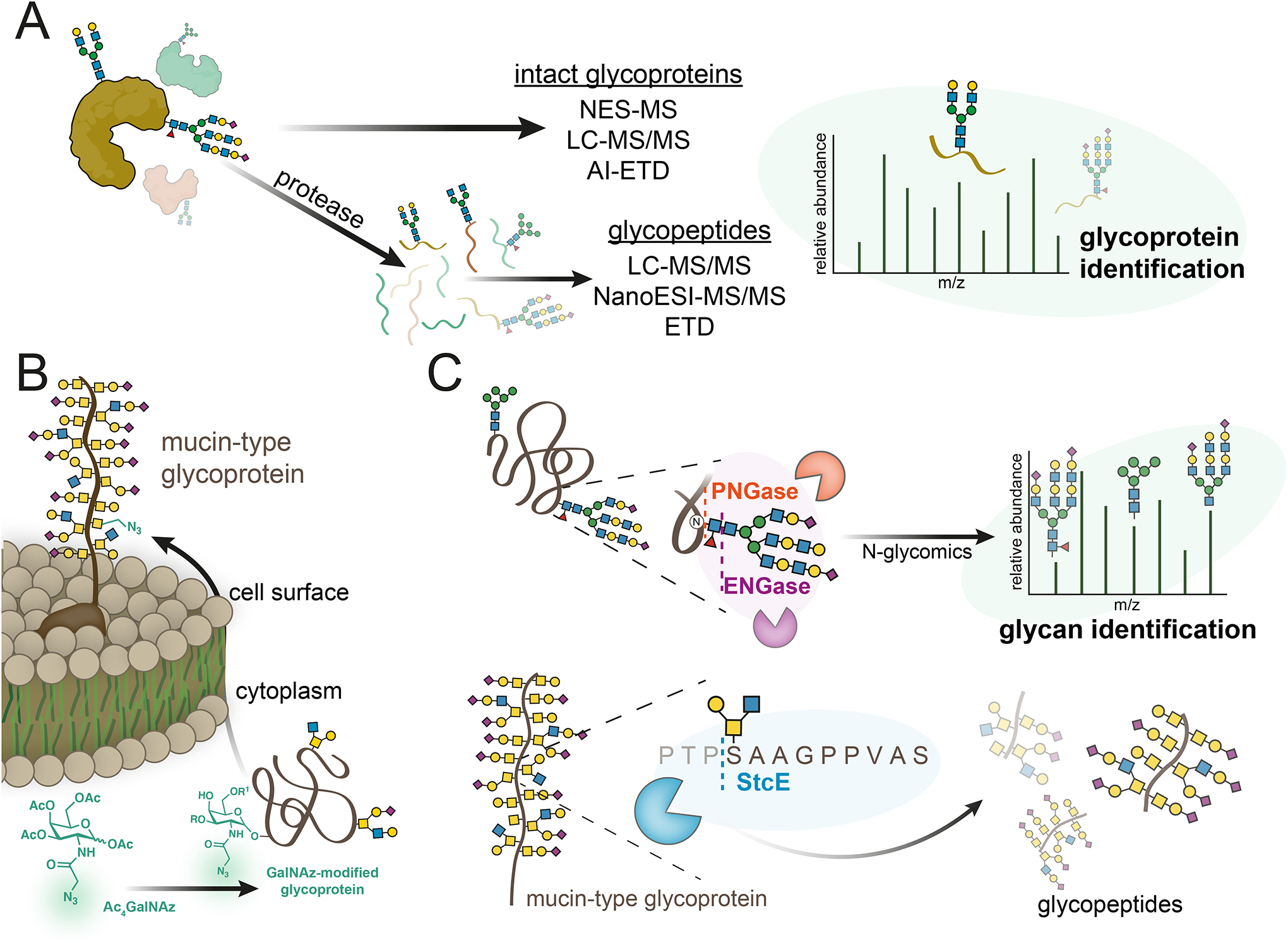
Figure 2.. Analysis, identification, and manipulation of glycoprotein trees.
(A) Mass spectrometry (MS)-based methods can be utilized to identify glycoproteins as either intact proteins or glycopeptides after proteolytic digestion. Some methods can identify glycoproteins and glycan structures concurrently through complementary fragmentation. (B) Metabolic oligosaccharide engineering allows the incorporation of functionalized monosaccharides into glycan structures. Exogenous N-azidoacetylgalactosamine-tetraacylated (Ac4GalNAz) (teal) enters the cell and is enzymatically deacetylated and incorporated into mucin-like glycoconjugates. The accompanying azide group (teal) can be visualized by multiple bioorthogonal chemistry means (i.e., strained alkynes or Staudinger ligation of phosphines). Glycoproteins can also be enriched by the same chemistries for MS-based proteomics analysis. (C) Isolated glycoproteins can be enzymatically processed to identify the glycan structures present. N-linked glycans can be enzymatically freed by peptide-N-glycosidase F (PNGase F) (red) or endoglycosidase (ENGase) (purple) for MS-based glycomics analyses. PNGase F cleaves between the first GlcNAc residue and its cognate asparagine while ENGase cleaves the β−1,4-glycosidic bond between the core GlcNAc residues. StcE (blue) is a mucin-selective protease that recognizes and cleaves at a peptide- and glycan-based motif. The resulting glycopeptides can be analyzed by glycoproteomics. Abbreviations: AI-ETD, activated-ion electron transfer dissociation; LC, liquid chromatography; NanoESI, nano-electrospray ionization; NES, exoglycosidase sequencing.
Figure 3.
Figure 3.. Novel approaches to capture glycoprotein–glycan binding protein (GBP) interactions towards studying polypeptide trunks.
(A) Compared with traditional printed formats, next-generation glycan arrays utilize DNA-coded glycan libraries or phage display to generate larger libraries with controlled presentation and valency. However, while these approaches can allow more accurate, physiologically relevant glycan display, the underlying protein trunk is not included. (B) Moving towards the incorporation of protein backbones, phage display can also be utilized to screen for ligands of GBPs and lectins, such as DC-SIGN. This method allows the generation of high-affinity glycopeptides by panning both glycan (i.e., mannose) and heptapeptide components. (C) Novel methods for capturing glycoprotein interactors in live cells include proximity and photoaffinity labeling for the identification of indirect and direct interactors, respectively. Proximity labeling utilizes engineered enzymes such as APEX2 (blue) attached to GBPs (green) to enable covalent biotinylation (yellow) of nearby proteins. By contrast, photoreactive probes can covalently bind direct interactors of GBPs or glycan structures after UV activation of their photoactivatable moieties (i.e., benzophenone or diazirine). The installation of these selective tags (i.e., biotin, alkyne) permits detection by fluorophore conjugates or enrichment for downstream applications, including proteomics, by streptavidin (green) or biotin (yellow) azide.
Figure 4.
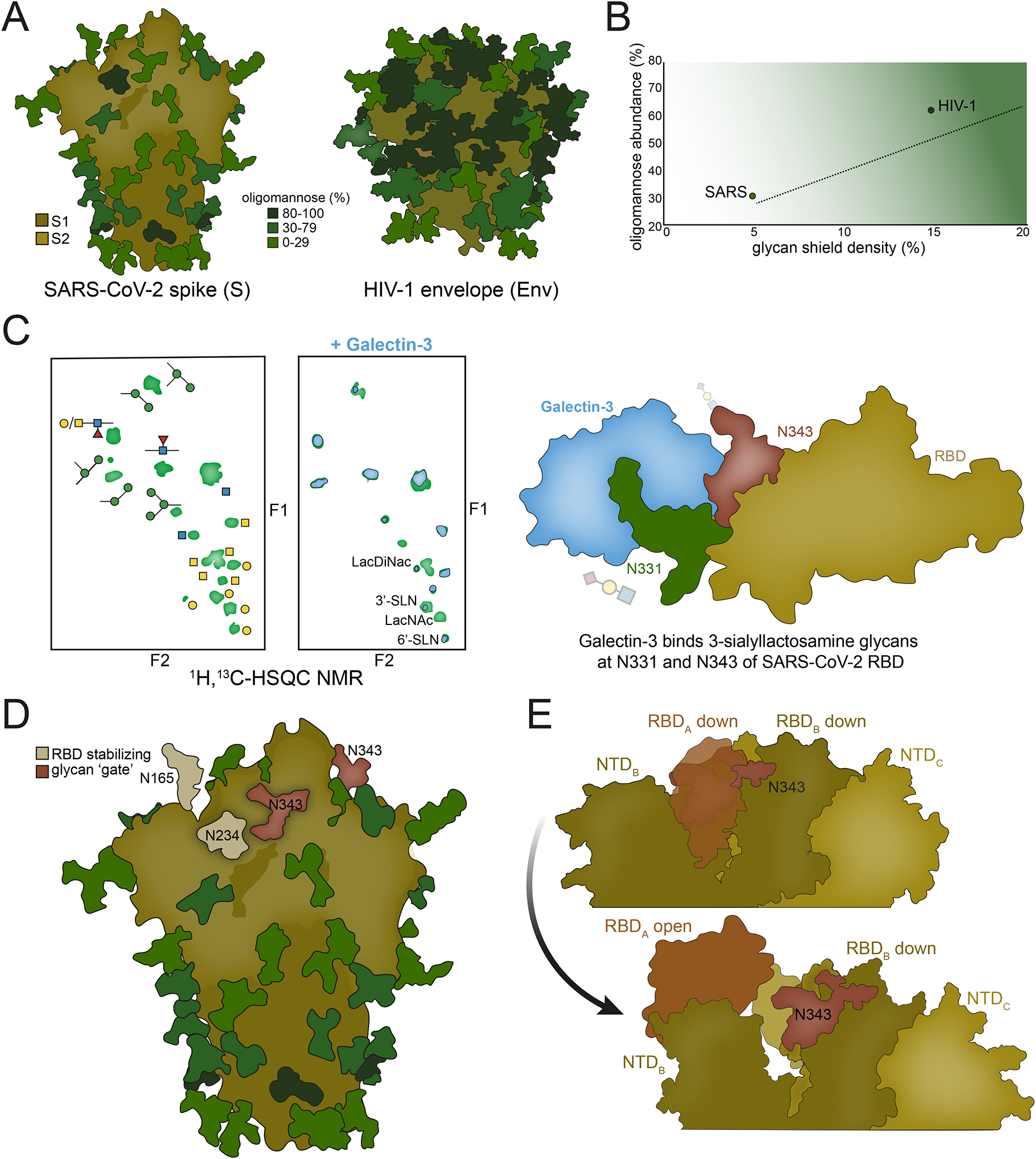
Figure 4.. Computational insights into the viral glycoprotein canopy.
(A) Cryoelectron microscopy (cryo-EM) structures reveal extensive glycosylation on glycoproteins of severe acute respiratory syndrome coronavirus 2 (SARS-CoV-2) and HIV-1, with a denser covering on the latter. (B) SARS viruses possess lower oligomannose and overall glycan shielding than HIV-1, resulting in lower immune evasiveness. Subunits 1 (S1) and 2 (S2). (C) 2D (1H, 13C-HSQC) NMR of glycoproteins can unearth the structures present and their interactions with glycan-binding proteins (GBPs) such as galectin-3 (blue). This information can be utilized to generate 3D structures of GBP–glycoprotein complexes and perform molecular dynamics simulations. (D) SARS-CoV-2 spike protein possesses several key glycosites with roles in receptor-binding domain (RBD) stability (N165, N234) and acting as a ‘glycan gate’ (N343). (E) Opening of the S protein RBD, initiated by N343. Also depicted are chain N-terminal domains (NTDs).

References

    1. Moremen KW et al. (2012) Vertebrate protein glycosylation: diversity, synthesis and function. Nat. Rev. Mol. Cell Biol 13, 448–462 - PMC - PubMed
    1. An HJ et al. (2009) Determination of glycosylation sites and site-specific heterogeneity in glycoproteins. Curr. Opin. Chem. Biol 13, 421–426 - PMC - PubMed
    1. Ohtsubo K and Marth JD (2006) Glycosylation in cellular mechanisms of health and disease. Cell 126, 855–867 - PubMed
    1. Berndsen ZT et al. (2020) Visualization of the HIV-1 Env glycan shield across scales. Proc. Natl. Acad. Sci. U. S. A 117, 28014–28025 - PMC - PubMed
    1. Ghosh P et al. (2003) Mannose 6-phosphate receptors: new twists in the tale. Nat. Rev. Mol. Cell Biol 4, 202–212 - PubMed

Publication types

LinkOut - more resources