


The Role of Peroxisome Proliferator-Activated Receptors in Kidney Diseases
- PMID: 35308207
- PMCID: PMC8931476
- DOI: 10.3389/fphar.2022.832732
The Role of Peroxisome Proliferator-Activated Receptors in Kidney Diseases
Abstract
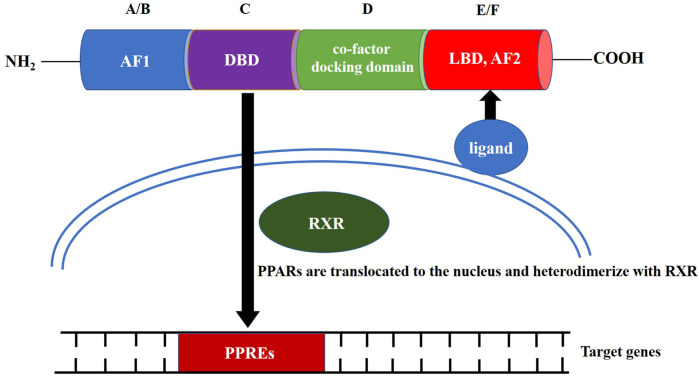
Peroxisome proliferator-activated receptors (PPARs) are members of the nuclear hormone receptor superfamily of ligand-activated transcription factors. Accumulating evidence suggests that PPARs may play an important role in the pathogenesis of kidney disease. All three members of the PPAR subfamily, PPARα, PPARβ/δ, and PPARγ, have been implicated in many renal pathophysiological conditions, including acute kidney injury, diabetic nephropathy, and chronic kidney disease, among others. Emerging data suggest that PPARs may be potential therapeutic targets for renal disease. This article reviews the physiological roles of PPARs in the kidney and discusses the therapeutic utility of PPAR agonists in the treatment of kidney disease.
Keywords: acute kidney injury; chronic kidney disease; diabetic nephropathy; kidney disease; peroxisome proliferator-activated receptors.
Copyright © 2022 Gao and Gu.
Conflict of interest statement
The authors declare that the research was conducted in the absence of any commercial or financial relationships that could be construed as a potential conflict of interest.
Figures
References
Publication types
LinkOut - more resources
Full Text Sources
