


The role of macrophages in thermal injury
- PMID: 35309103
- PMCID: PMC8918762
The role of macrophages in thermal injury
Abstract
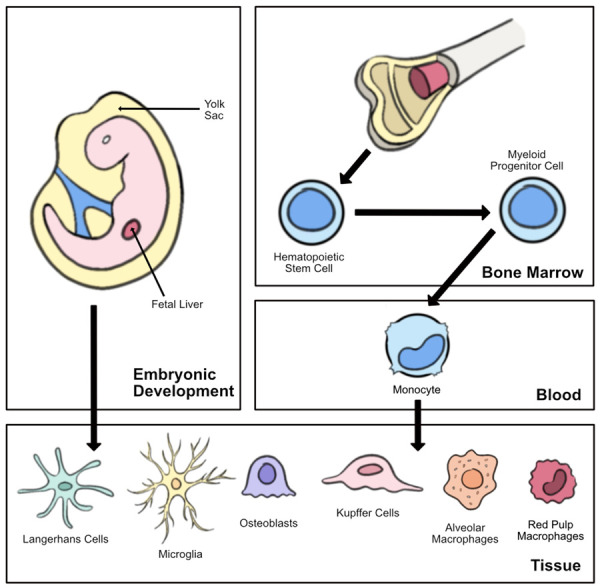
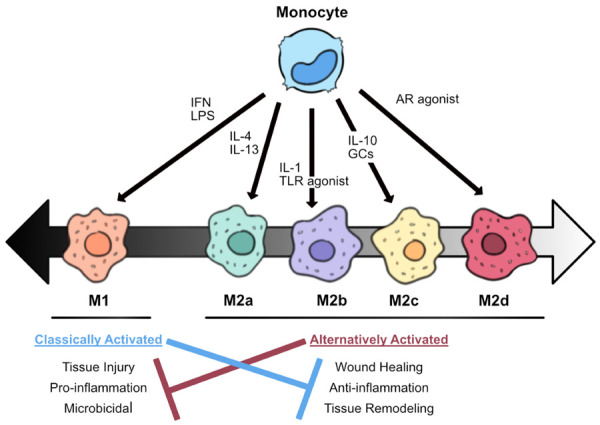
Macrophages, first discovered for their phagocytic ability, are a complicated and heterogeneous cell type. The unique properties of macrophages allow them to perform a vast array of functions, including phagocytosis, cytokine production, antigen presentation, and wound healing. Some macrophage populations are derived from monocytes and are induced into specific phenotypes by the local tissue microenvironment, while other macrophages form during early embryonic development. The exposure of the host to local pathogens and/or traumatic injury alters the tissue microenvironment and, in turn, influences changes in macrophage phenotype and function. Perhaps the most significant change in the local tissue microenvironment and subsequent macrophage phenotype occurs after thermal injury, which causes localized tissue damage and a massive systemic inflammatory response. However, few studies have explored the influence of burn injury on the host macrophages and macrophage function in burn wounds. Furthermore, the literature is scant regarding the impact macrophage function has on outcomes in thermal injury. This review will focus on the current knowledge of macrophage function in burn wounds and the phenotypic changes in macrophages during thermal injury while identifying knowledge gaps.
Keywords: Macrophages; macrophage dysfunction; macrophage phenotype; thermal injury; wound healing.
IJBT Copyright © 2022.
Conflict of interest statement
None.
Figures
References
-
- Aderem A, Underhill DM. Mechanisms of phagocytosis in macrophages. Annu Rev Immunol. 1999;17:593–623. - PubMed
-
- Medzhitov R, Janeway C Jr. Innate immunity. N Engl J Med. 2000;343:338–344. - PubMed
-
- Cavaillon JM. Cytokines and macrophages. Biomed Pharmacother. 1994;48:445–453. - PubMed
-
- Olefsky JM, Glass CK. Macrophages, inflammation, and insulin resistance. Annu Rev Physiol. 2010;72:219–246. - PubMed
Publication types
LinkOut - more resources
Full Text Sources