


Molecular Characterization by Multilocus Sequence Typing and Diversity Analysis of Rickettsia asembonensis in Peru
- PMID: 35319919
- PMCID: PMC8971995
- DOI: 10.1089/vbz.2021.0077
Molecular Characterization by Multilocus Sequence Typing and Diversity Analysis of Rickettsia asembonensis in Peru
Abstract
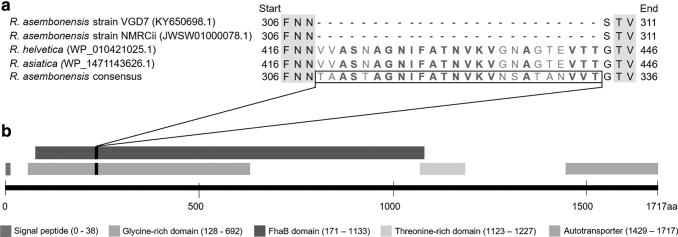
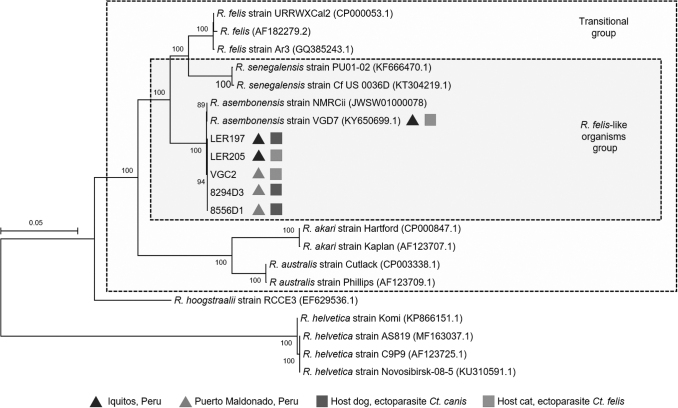
Despite several reports worldwide documenting the presence of Rickettsia asembonensis in samples derived from ectoparasites, animals and more recently humans, genomic information of these specimens remains scarce, and when available, is usually limited to small genomic fragments of limited value. We generated complete sequences for two conserved (17-kDa antigen gene and gltA) and three variable (sca4, ompB and ompA) genes in five R. asembonensis DNA samples detected in cat and dog fleas in Peru. Complete gene sequences were used to conduct multi-locus sequence typing and phylogenetic analyses to assess diversity and infer relationships among strains and other reference sequences. The 17-kDa antigen gene was highly conserved across Rickettsia species. Of the variable genes ompB was the most variable, but this diversity was not captured through phylogenetics alone even when efforts were made to maximize potential diversity in terms of flea species, animal host and location. Through a combination of de novo and reference-based genome assembly we identified a 75 bp insertion in ompA that encodes a 25 aa repetitive motif found in other Rickettsia species, but not present in the original prototype strain from Kenya. R. asembonensis has only recently been shown to be a bona-fide human pathogen. As such, and compounded by a lack of available genomic information, it remains understudied. Our work directly addresses the lack of genomic information available worldwide for the study of these novel Rickettsia species and specifically contributes to our understanding of the diversity and molecular epidemiology of R. asembonensis in Peru.
Keywords: Multilocus sequence typing; Peru; Rickettsia asembonensis.
Conflict of interest statement
No conflicting financial interests exist.
Figures
References
-
- Betancourt-Ruiz P, Martinez-Diaz HC, Gil-Mora J, Ospina C, et al. . Candidatus Rickettsia senegalensis in cat fleas (Siphonaptera: Pulicidae) collected from dogs and cats in Cauca, Colombia. J Med Entomol 2020; 57:382–387. - PubMed
Publication types
MeSH terms
Substances
Supplementary concepts
Grants and funding
LinkOut - more resources
Full Text Sources
Research Materials
Miscellaneous
