


Insights into Nanomedicine for Head and Neck Cancer Diagnosis and Treatment
- PMID: 35329542
- PMCID: PMC8951645
- DOI: 10.3390/ma15062086
Insights into Nanomedicine for Head and Neck Cancer Diagnosis and Treatment
Abstract
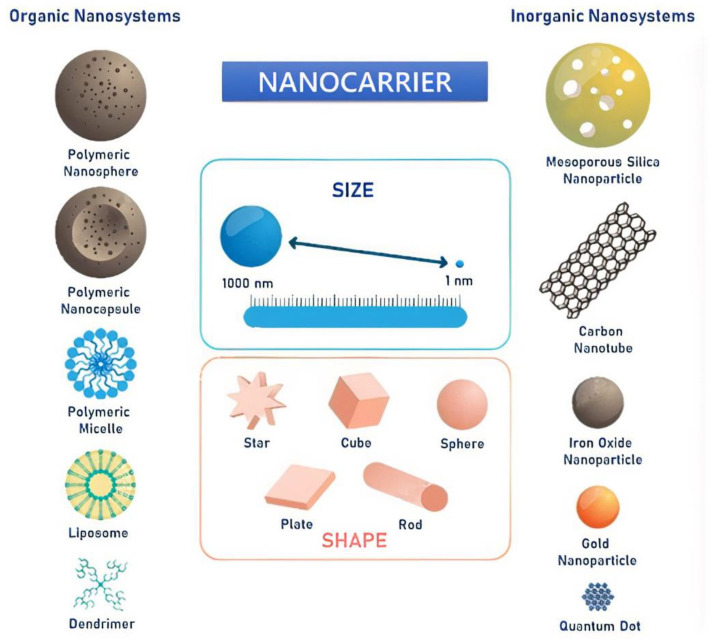
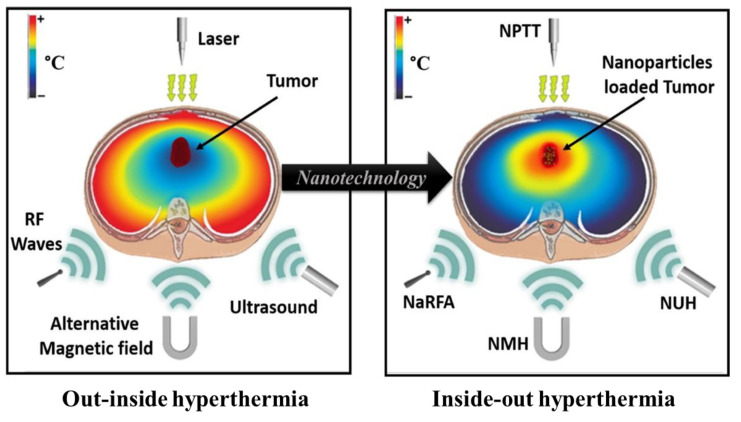
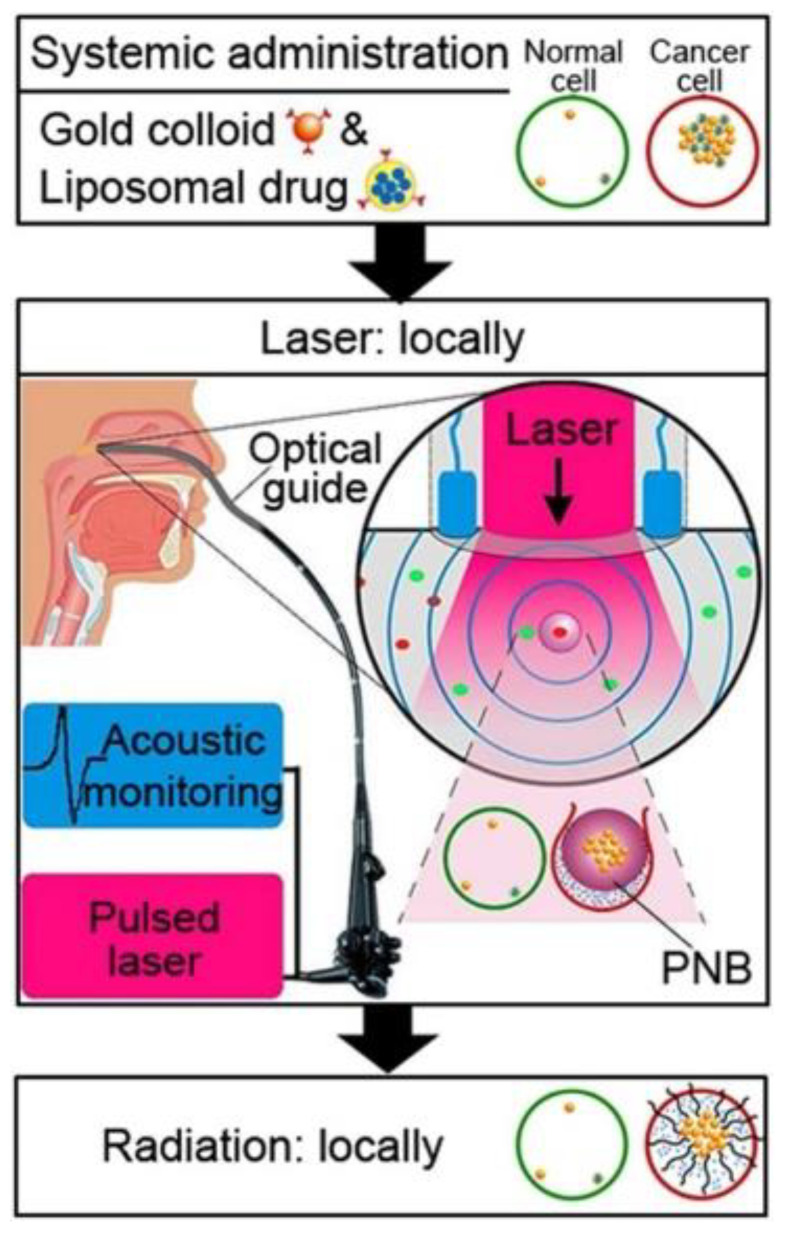
Head and neck cancers rank sixth among the most common cancers today, and the survival rate has remained virtually unchanged over the past 25 years, due to late diagnosis and ineffective treatments. They have two main risk factors, tobacco and alcohol, and human papillomavirus infection is a secondary risk factor. These cancers affect areas of the body that are fundamental for the five senses. Therefore, it is necessary to treat them effectively and non-invasively as early as possible, in order to do not compromise vital functions, which is not always possible with conventional treatments (chemotherapy or radiotherapy). In this sense, nanomedicine plays a key role in the treatment and diagnosis of head and neck cancers. Nanomedicine involves using nanocarriers to deliver drugs to sites of action and reducing the necessary doses and possible side effects. The main purpose of this review is to give an overview of the applications of nanocarrier systems to the diagnosis and treatment of head and neck cancer. Herein, several types of delivery strategies, radiation enhancement, inside-out hyperthermia, and theragnostic approaches are addressed.
Keywords: drug delivery; head and neck cancer; hyperthermia; nanocarrier; nanomedicine; target therapeutic; theragnostic.
Conflict of interest statement
The authors declare no conflict of interest.
Figures
References
-
- World Health Organization (WHO)—Cancer Control Programme. [(accessed on 20 December 2021)]. Available online: http://www.who.int/cancer/en/
Publication types
Grants and funding
LinkOut - more resources
Full Text Sources
Miscellaneous
