


Impact of baseline culture conditions of cancer organoids when determining therapeutic response and tumor heterogeneity
- PMID: 35338174
- PMCID: PMC8956720
- DOI: 10.1038/s41598-022-08937-z
Impact of baseline culture conditions of cancer organoids when determining therapeutic response and tumor heterogeneity
Abstract
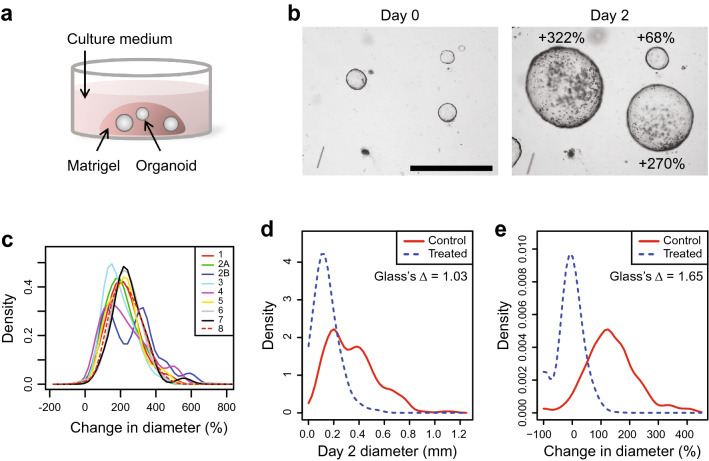
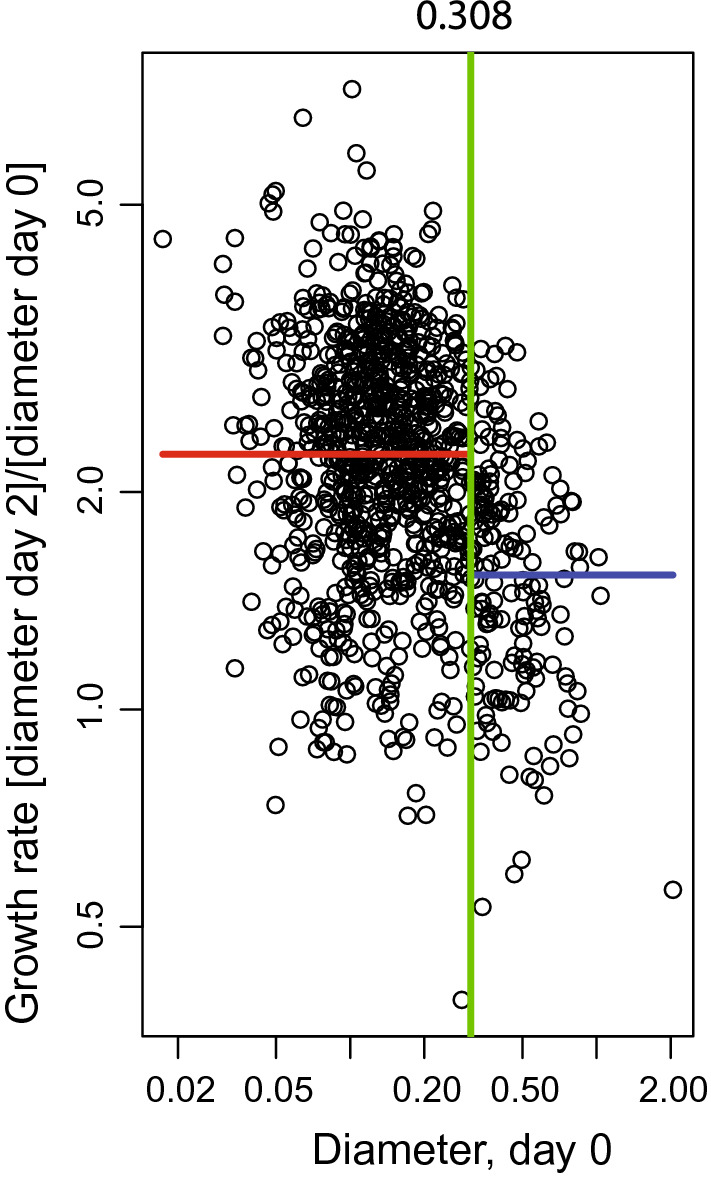
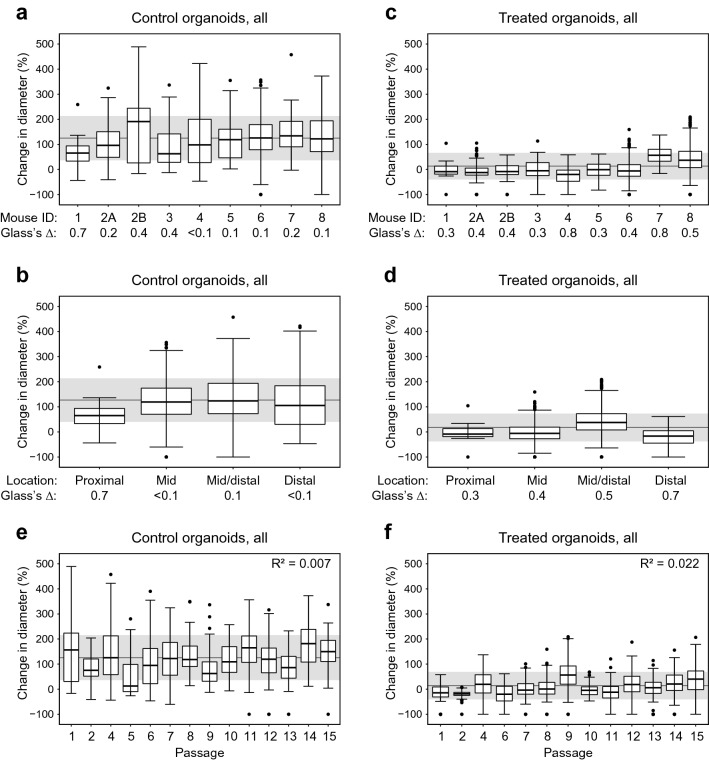
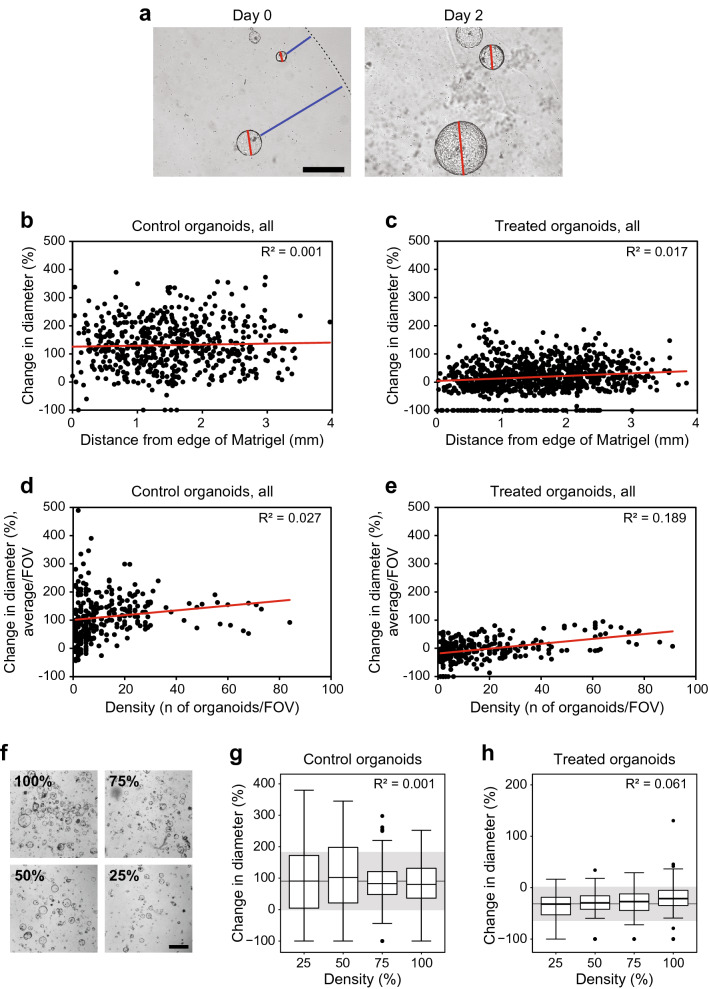
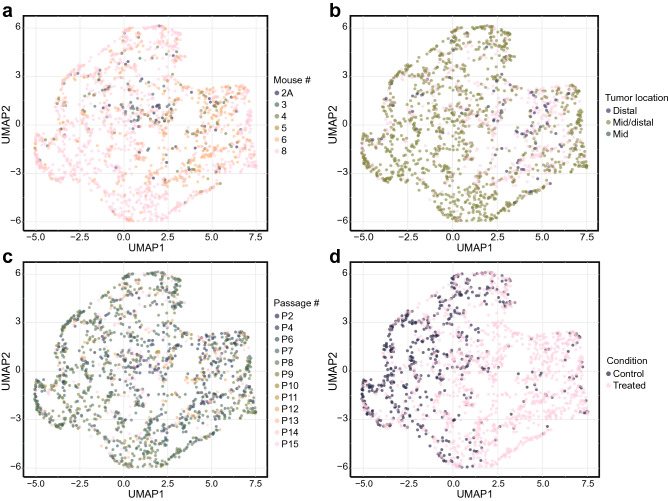
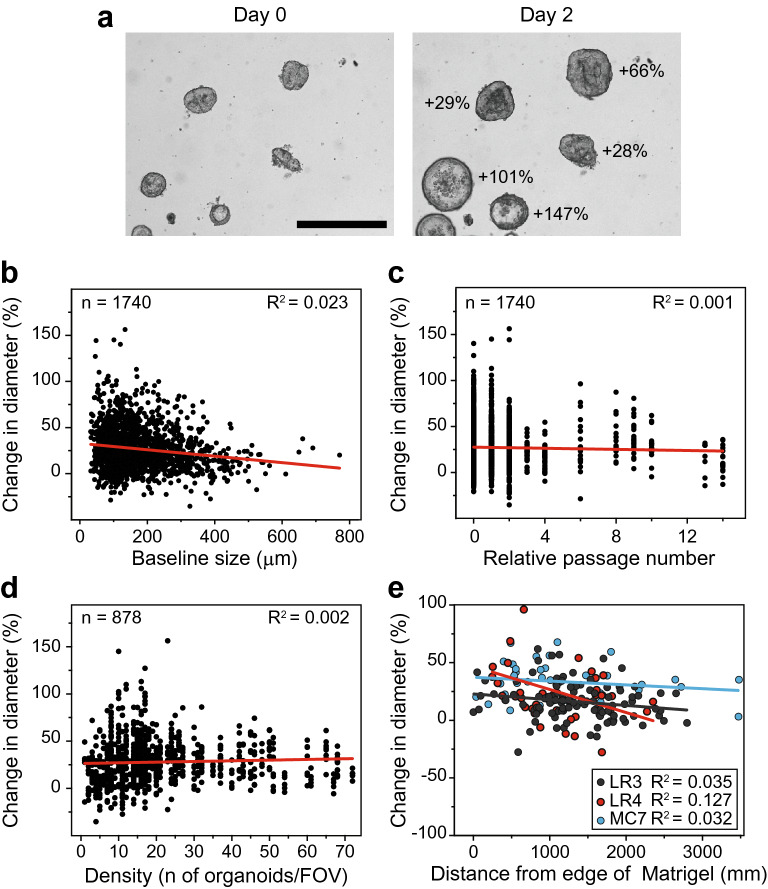
Representative models are needed to screen new therapies for patients with cancer. Cancer organoids are a leap forward as a culture model that faithfully represents the disease. Mouse-derived cancer organoids (MDCOs) are becoming increasingly popular, however there has yet to be a standardized method to assess therapeutic response and identify subpopulation heterogeneity. There are multiple factors unique to organoid culture that could affect how therapeutic response and MDCO heterogeneity are assessed. Here we describe an analysis of nearly 3500 individual MDCOs where individual organoid morphologic tracking was performed. Change in MDCO diameter was assessed in the presence of control media or targeted therapies. Individual organoid tracking was identified to be more sensitive to treatment response than well-level assessment. The impact of different generations of mice of the same genotype, different regions of the colon, and organoid specific characteristics including baseline size, passage number, plating density, and location within the matrix were examined. Only the starting size of the MDCO altered the subsequent growth. These results were corroborated using ~ 1700 patient-derived cancer organoids (PDCOs) isolated from 19 patients. Here we establish organoid culture parameters for individual organoid morphologic tracking to determine therapeutic response and growth/response heterogeneity for translational studies.
© 2022. The Author(s).
Conflict of interest statement
Dr. Deming has participated in advisory boards and received research funding from Bayer, Takeda and Eli Lilly. The other authors declare no potential conflict of interest.
Figures
References
-
- American Cancer Society. Key statistics for colorectal cancer. https://www.cancer.org/cancer/colon-rectal-cancer/about/key-statistics.html. Accessed 19 August 2021.
-
- Fight Colorectal Cancer. https://fightcolorectalcancer.org/about-colorectal-cancer/general-inform.... Accessed 19 August 2021.
-
- Benson AB, et al. Colon cancer, Version 2.2021, NCCN clinical practice guidelines in oncology. J. Natl. Compr. Cancer Netw. 2021;19:329–359. - PubMed
-
- Esquenet M, Swinnen JV, Heyns W, Verhoeven G. LNCaP prostatic adenocarcinoma cells derived from low and high passage numbers display divergent responses not only to androgens but also to retinoids. J. Steroid Biochem. Mol. Biol. 1997;62:391–399. - PubMed
Publication types
MeSH terms
Grants and funding
LinkOut - more resources
Full Text Sources
Medical
Molecular Biology Databases
