


Rare case of obturator hernia: Surgical anatomy, planning, and considerations
- PMID: 35341101
- PMCID: PMC8943527
- DOI: 10.1177/2050313X221081371
Rare case of obturator hernia: Surgical anatomy, planning, and considerations
Abstract
Obturator hernia is a rare variation of abdominal hernias that cause significant morbidity and mortality, especially in the elderly population. Incidence rates vary but account for approximately 0.07%-1.0% of all hernias. Literature on laparoscopic versus laparotomy, as well as types of closure (primary vs mesh) have not been well described in the literature. Obturator hernias, although rare, require a high index of suspicion and care in surgical management as many of these patients will be elderly with a multitude of comorbid conditions. Further research and reporting on technique and type of closures utilized when these rare hernias are encountered by surgeons would benefit the surgical community on practices and management of obturator hernias. Here, we present a case of an elderly female who presented with complaints of obstructive symptoms and abdominal pain secondary to an obturator hernia.
Keywords: Obturator’s hernia; laparotomy; mesh; minimally invasive surgery; obturator canal; small bowel obstruction.
© The Author(s) 2022.
Conflict of interest statement
Declaration of conflicting interests: The author(s) declared no potential conflicts of interest with respect to the research, authorship, and/or publication of this article.
Figures
References
-
- Bjork KJ, Mucha P, Cahill DR. Obturator hernia. Surg Gynecol Obstet 1988; 167: 217–222. - PubMed
-
- Schizas D, Apostolou K, Hasemaki N, et al. Obturator hernias: a systematic review of the literature. Hernia 2020; 25(1): 193–204. - PubMed
-
- Hunt L, Morrison C, Lengyel J, et al. Laparoscopic management of an obstructed obturator hernia: should laparoscopic assessment be the default option? Hernia 2008; 13(3): 313–315. - PubMed
-
- Ziegler D, Rhoads J. Obturator hernia needs a laparotomy, not a diagnosis. Am J Surg 1995; 170(1): 67–68. - PubMed
-
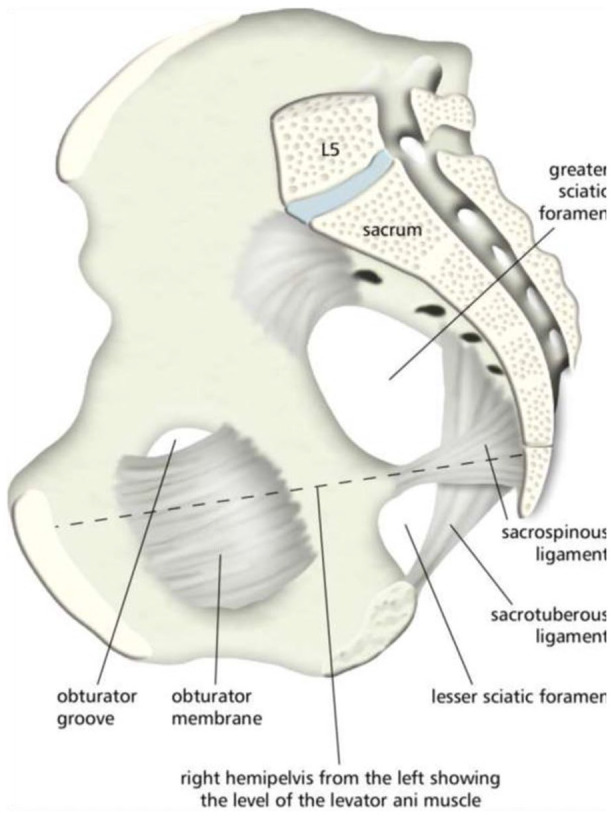
- Royal College of Surgeons of Ireland. Hemipelvis and Pelvic Ligaments. HEalth Education Assets Library. University of Utah, 2012, https://collections.lib.utah.edu/details?id=871955&q=obturator&fd=title_... (accessed 12 January 2021).
Publication types
LinkOut - more resources
Full Text Sources
