


Considerations of Racism and Data Equity Among Asian Americans, Native Hawaiians, And Pacific Islanders in the Context of COVID-19
- PMID: 35342687
- PMCID: PMC8932682
- DOI: 10.1007/s40471-022-00283-y
Considerations of Racism and Data Equity Among Asian Americans, Native Hawaiians, And Pacific Islanders in the Context of COVID-19
Abstract
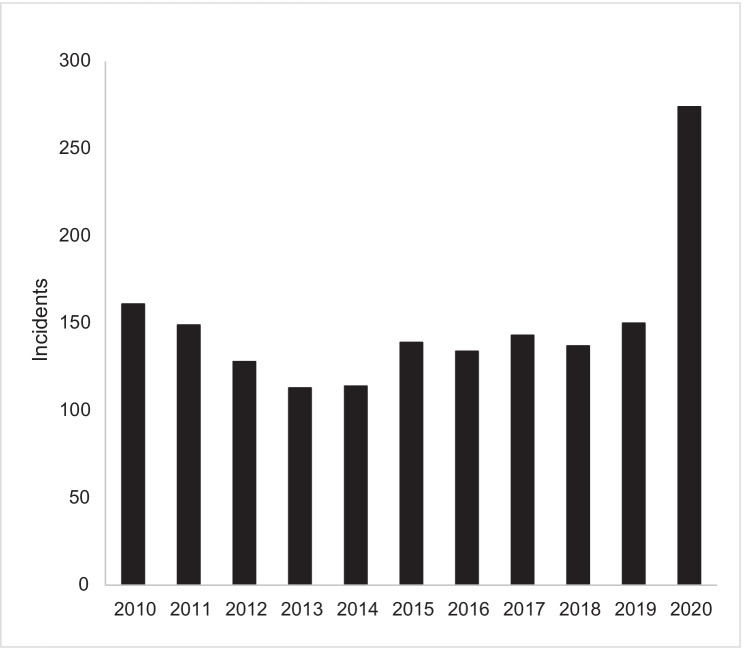
Purpose of review: The COVID-19 pandemic has revealed the importance of considering social determinants of health, including factors such as structural racism. This review discusses some of the evidence that triangulates on this issue, including data from hate crime statistics, social media analysis, and survey-based research. It also examines the data needs for Asian Americans, Native Hawaiian, and Pacific Islander (NHPI) communities.
Recent findings: The available data provides evidence that the pandemic has contributed to an increase in anti-Asian sentiment and discriminatory incidents. Many reports have surfaced showing a surge in anti-Chinese discrimination, which has "spilled over" into other Asian communities. Research is beginning to emerge to show that such discrimination may also impact health issues such as psychological distress. Given prior research, we would expect many more studies to emerge in the future. Also, the pandemic has illustrated the major gaps in data available to disentangle the health and social concerns facing Asian Americans and NHPI communities. Significant issues include the lack of systematic reporting of data for these communities both across states, and even among agencies within a state; erroneous aggregation of Asians with NHPIs; and censoring of data. These gaps and issues contribute to bias that obscures objective data and amplifies health inequalities.
Summary: The COVID-19 pandemic has had a negative impact on the well-being of Asian American and NHPI communities. It is critical to provide disaggregated data, not only so that we can have accurate reporting, but also to ensure data and health equity.
Keywords: Asian Americans; COVID-19; Discrimination; Disparity; Native Hawaiians; Pacific Islanders; Racism.
© The Author(s) 2022.
Conflict of interest statement
Conflict of InterestThe authors declare that they have no conflict of interest.
Figures
References
-
- Lee DL, Ahn S. Racial discrimination and Asian mental health: a meta-analysis. Couns Psychol. 2011;39(3):463–489. doi: 10.1177/0011000010381791. - DOI