


Fabrication of air filters with advanced filtration performance for removal of viral aerosols and control the spread of COVID-19
- PMID: 35349924
- PMCID: PMC8937611
- DOI: 10.1016/j.cis.2022.102653
Fabrication of air filters with advanced filtration performance for removal of viral aerosols and control the spread of COVID-19
Abstract
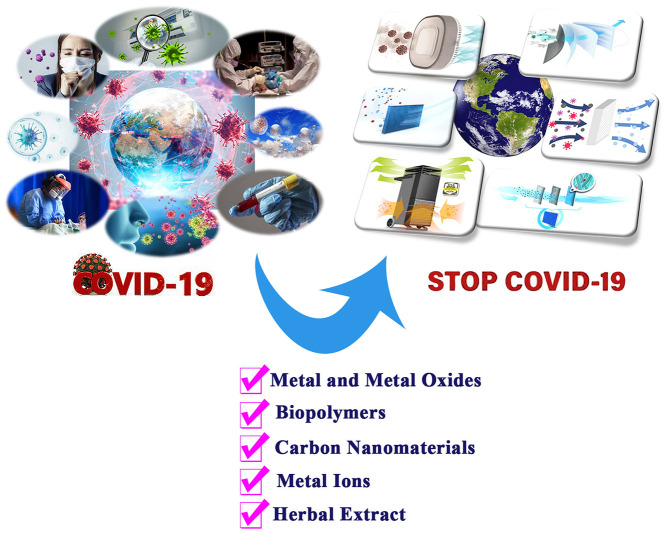
COVID-19 is caused via the SARS-CoV-2 virus, a lipid-based enveloped virus with spike-like projections. At present, the global epidemic of COVID-19 continues and waves of SARS-CoV-2, the mutant Delta and Omicron variant which are associated with enhanced transmissibility and evasion to vaccine-induced immunity have increased hospitalization and mortality, the biggest challenge we face is whether we will be able to overcome this virus? On the other side, warm seasons and heat have increased the need for proper ventilation systems to trap contaminants containing the virus. Besides, heat and sweating accelerate the growth of microorganisms. For example, medical staff that is in the front line use masks for a long time, and their facial sweat causes microbes to grow on the mask. Nowadays, efficient air filters with anti-viral and antimicrobial properties have received a lot of attention, and are used to make ventilation systems or medical masks. A wide range of materials plays an important role in the production of efficient air filters. For example, metals, metal oxides, or antimicrobial metal species that have anti-viral and antimicrobial properties, including Ag, ZnO, TiO2, CuO, and Cu played a role in this regard. Carbon nanomaterials such as carbon nanotubes, graphene, or derivatives have also shown their role well. In addition, natural materials such as biopolymers such as alginate, and herbal extracts are employed to prepare effective air filters. In this review, we summarized the utilization of diverse materials in the preparation of efficient air filters to apply in the preparation of medical masks and ventilation systems. In the first part, the employing metal and metal oxides is examined, and the second part summarizes the application of carbon materials for the fabrication of air filters. After examination of the performance of natural materials, challenges and progress visions are discussed.
Keywords: Antimicrobial air filters; Carbon nanomaterials; Medical masks; Metallic materials; Natural materials; SARS-CoV-2.
Copyright © 2022 Elsevier B.V. All rights reserved.
Conflict of interest statement
The authors declare that they have no known competing financial interests or personal relationships that could have appeared to influence the work reported in this paper.
Figures
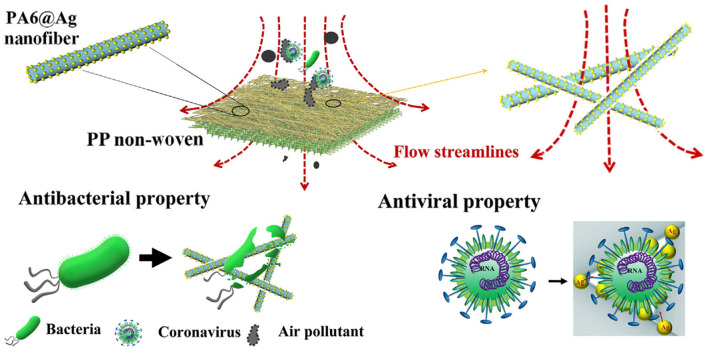
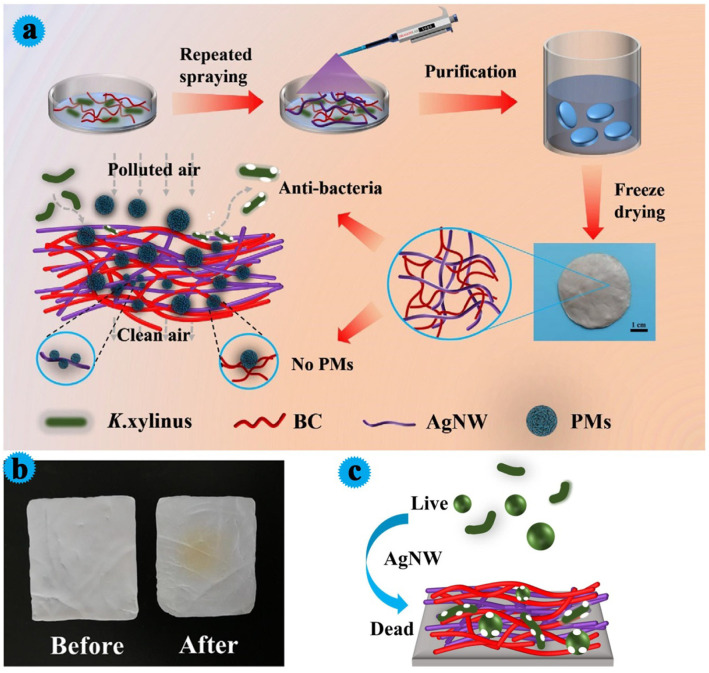
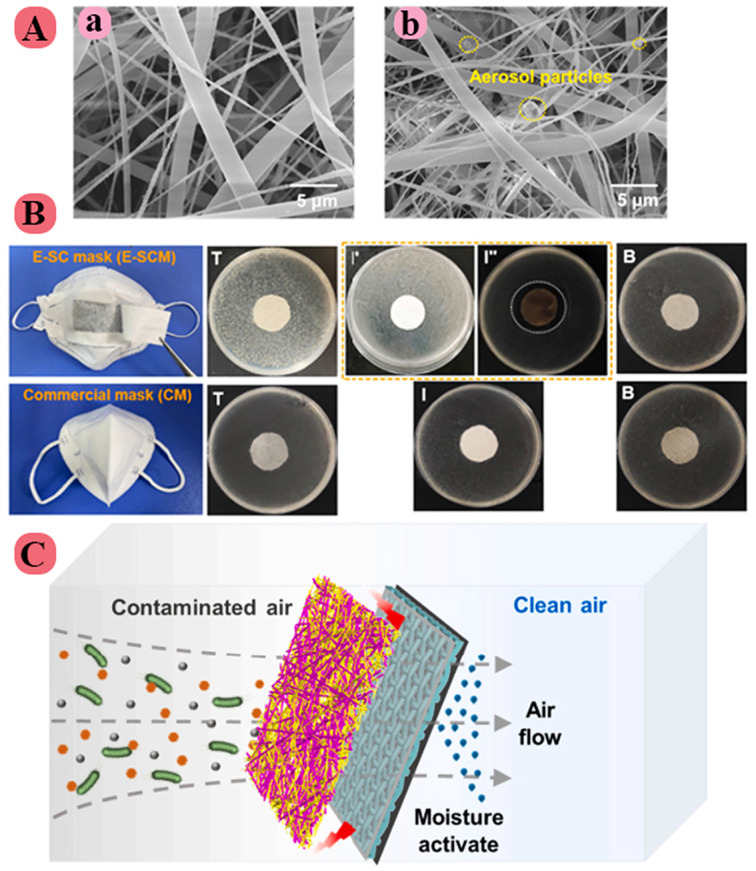
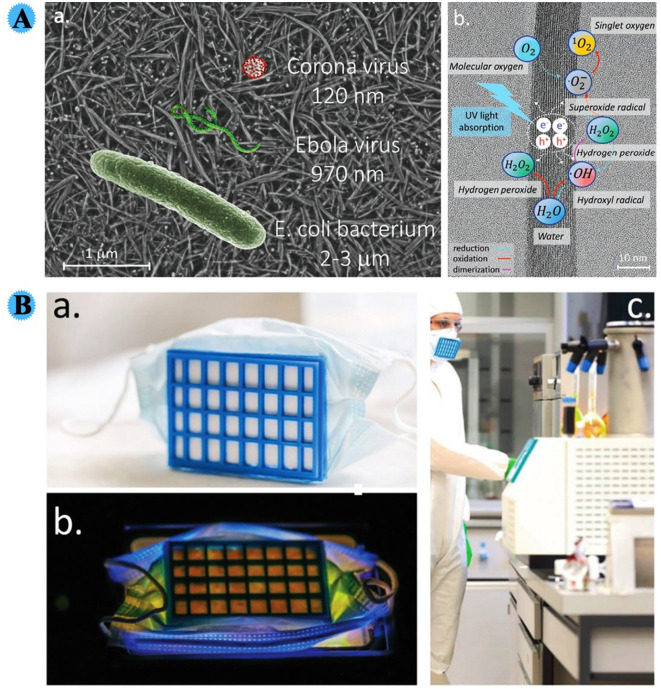
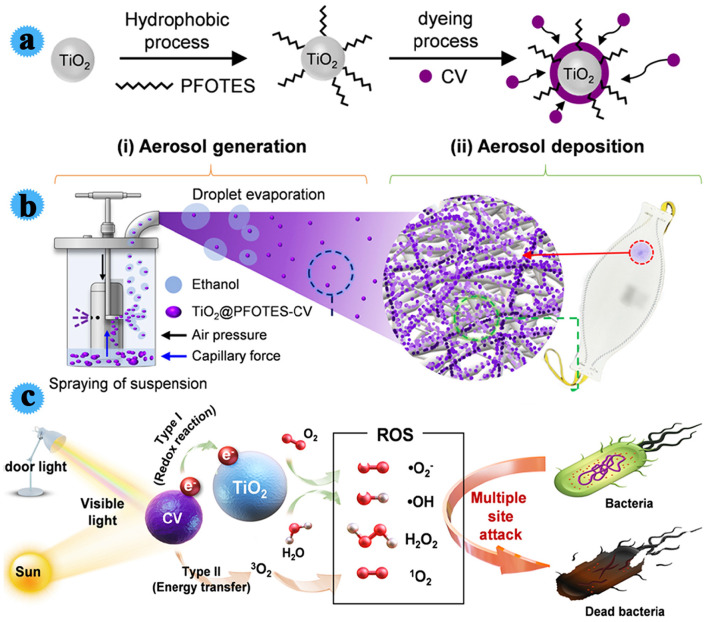
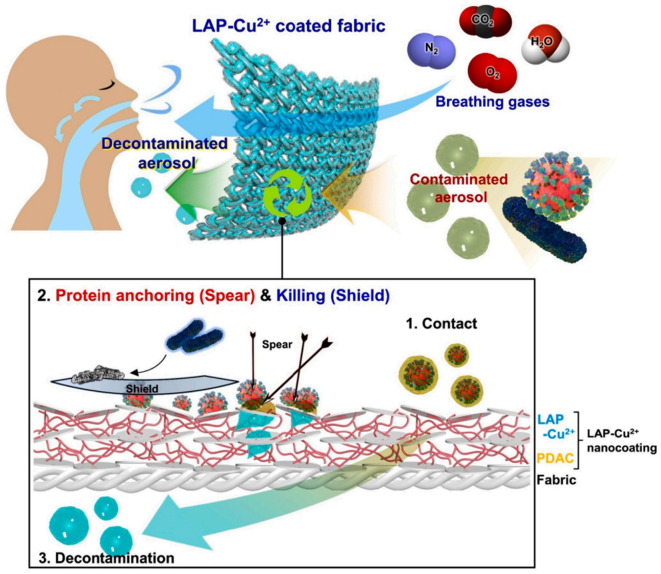
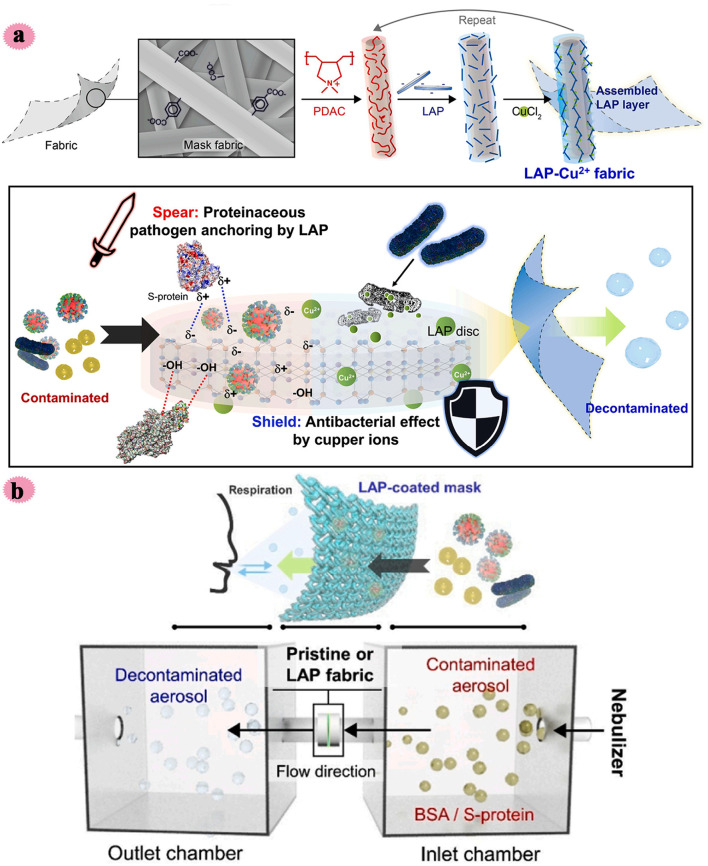
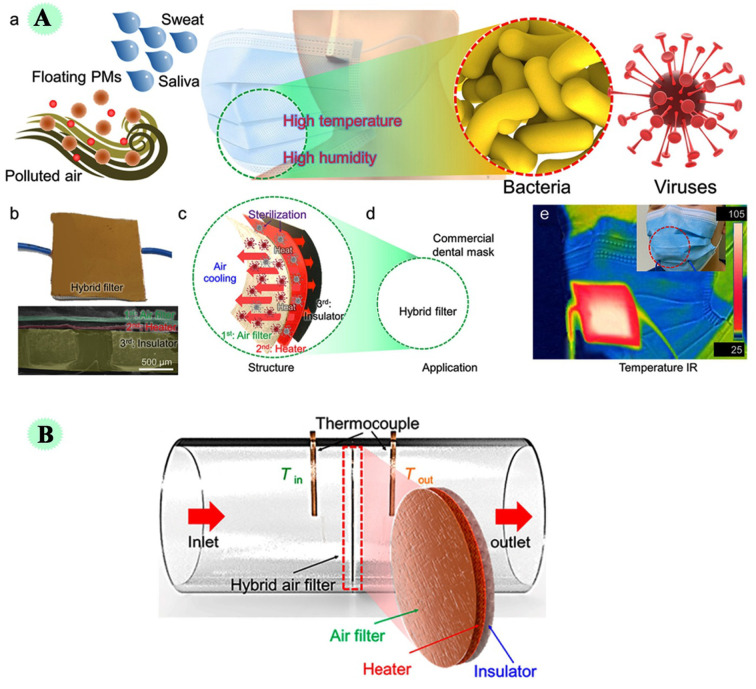
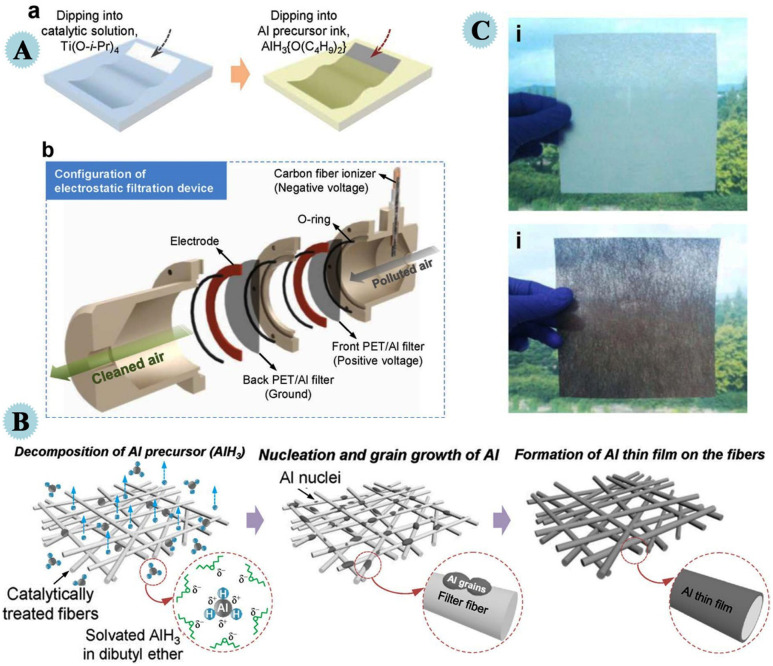
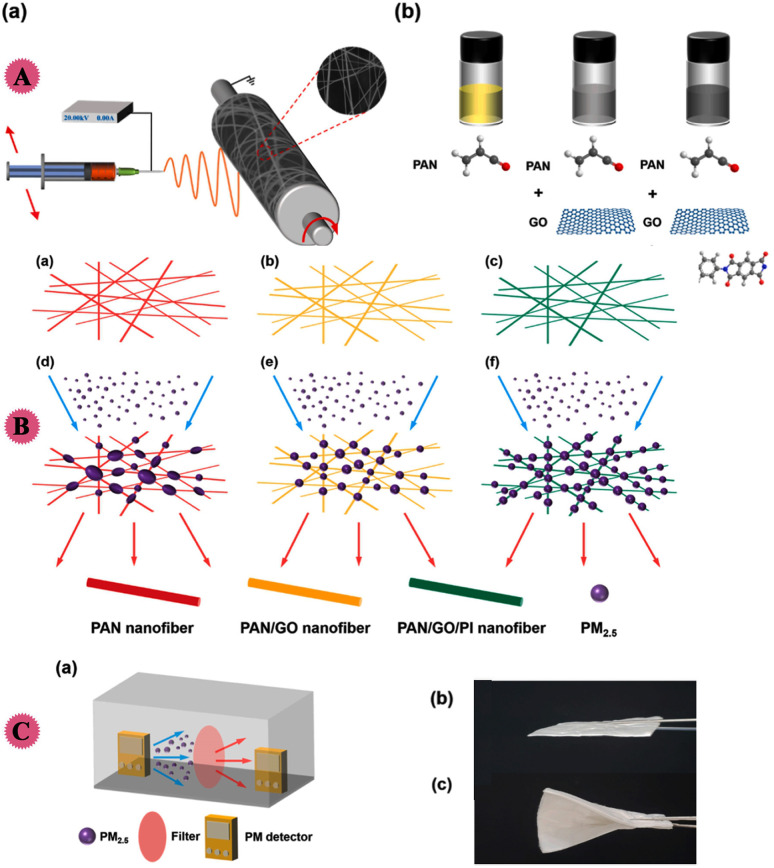
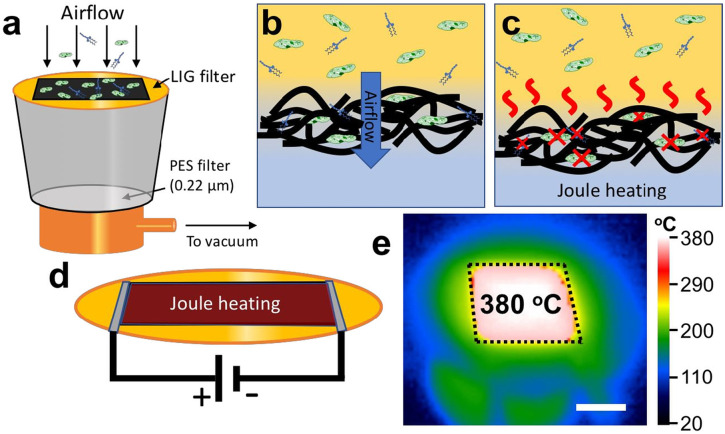
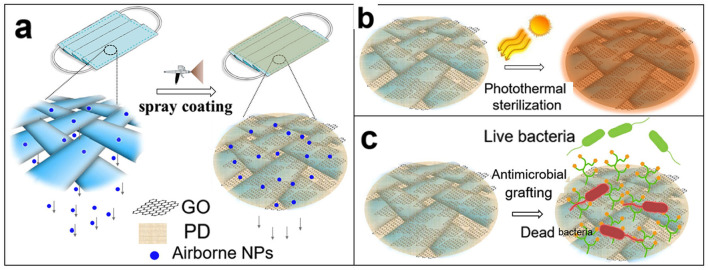
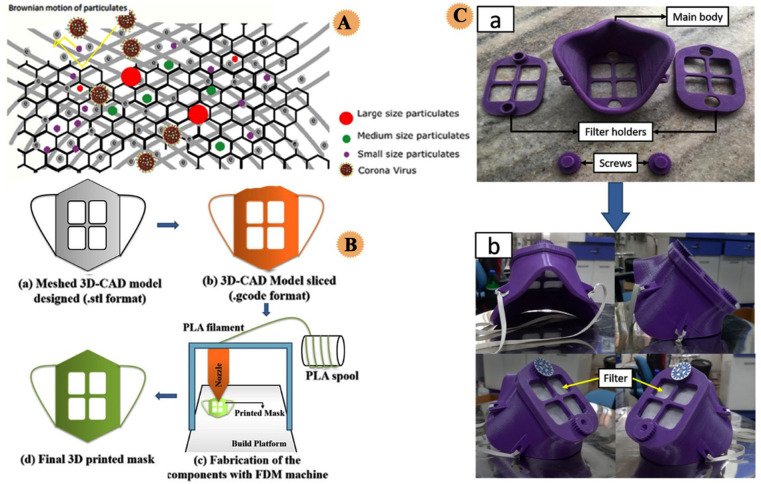
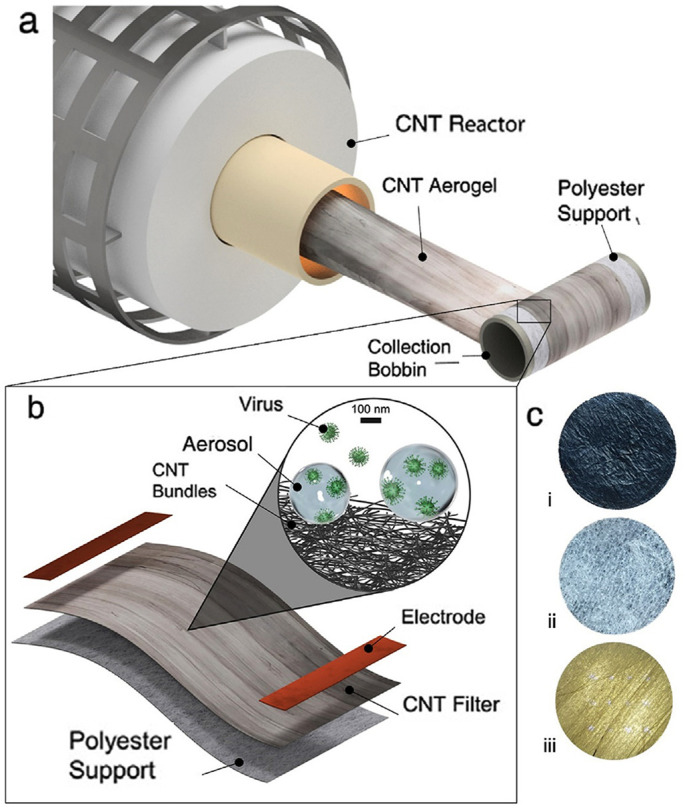
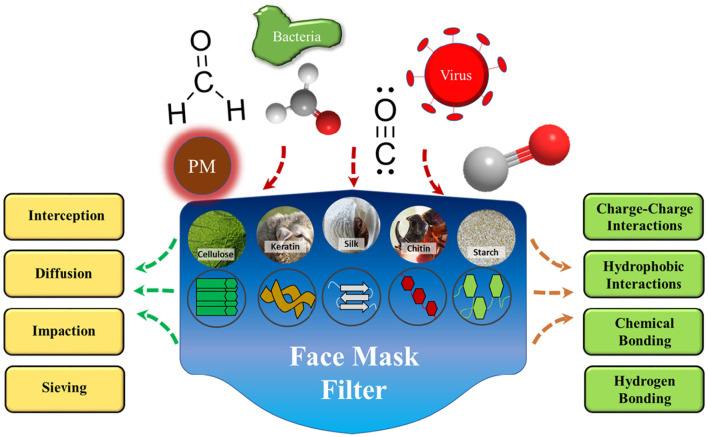
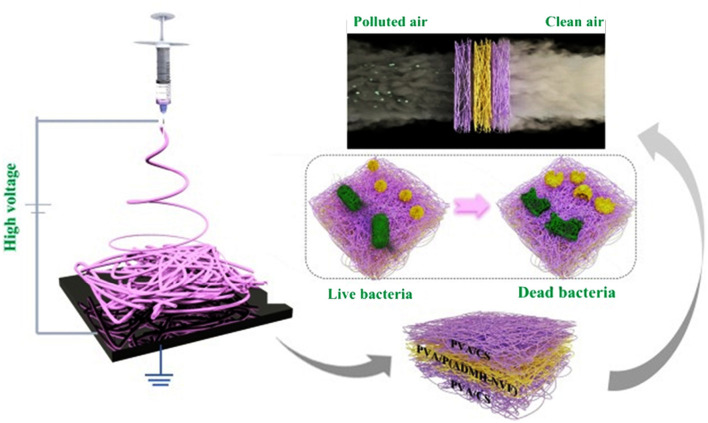
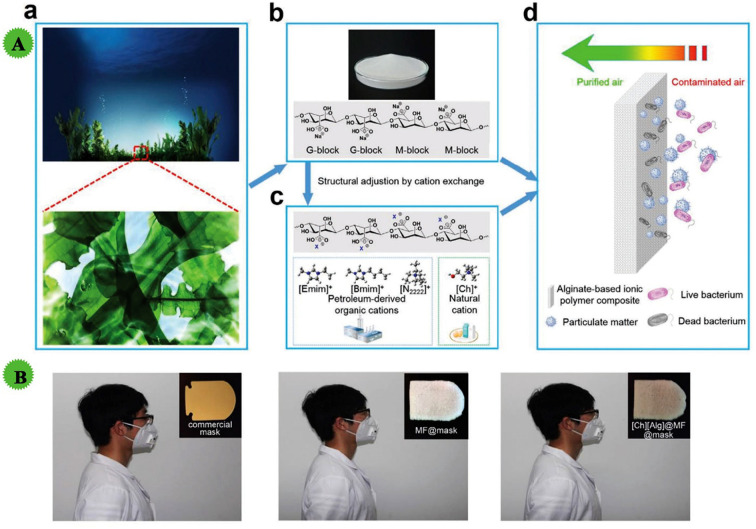
 O) (Reprinted with permission from [21], Copyright 2021 American Chemical Society).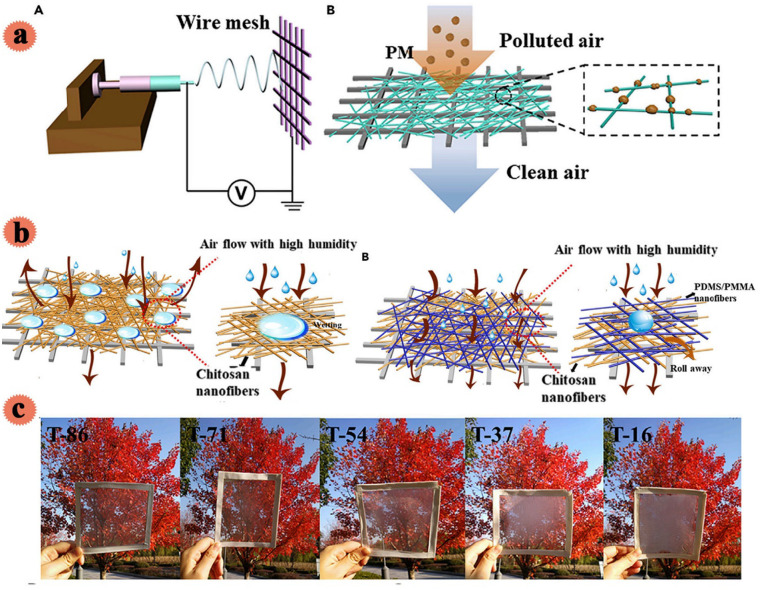
References
-
- Akhai S., Mala S., Jerin A.A. Understanding whether air filtration from air conditioners reduces the probability of virus transmission in the environment. J. Adv. Res. Med. Sci. & Technol. 2021;8:36–41.
-
- Borro L., Mazzei L., Raponi M., Piscitelli P., Miani A., Secinaro A. The role of air conditioning in the diffusion of Sars-CoV-2 in indoor environments: a first computational fluid dynamic model, based on investigations performed at the Vatican state Children’s hospital. Environ. Res. 2021;193 doi: 10.1016/j.envres.2020.110343. - DOI - PMC - PubMed
Publication types
MeSH terms
Substances
Supplementary concepts
LinkOut - more resources
Full Text Sources
Medical
Miscellaneous
