


Post-Infectious Autoimmunity in the Central (CNS) and Peripheral (PNS) Nervous Systems: An African Perspective
- PMID: 35356001
- PMCID: PMC8959857
- DOI: 10.3389/fimmu.2022.833548
Post-Infectious Autoimmunity in the Central (CNS) and Peripheral (PNS) Nervous Systems: An African Perspective
Abstract
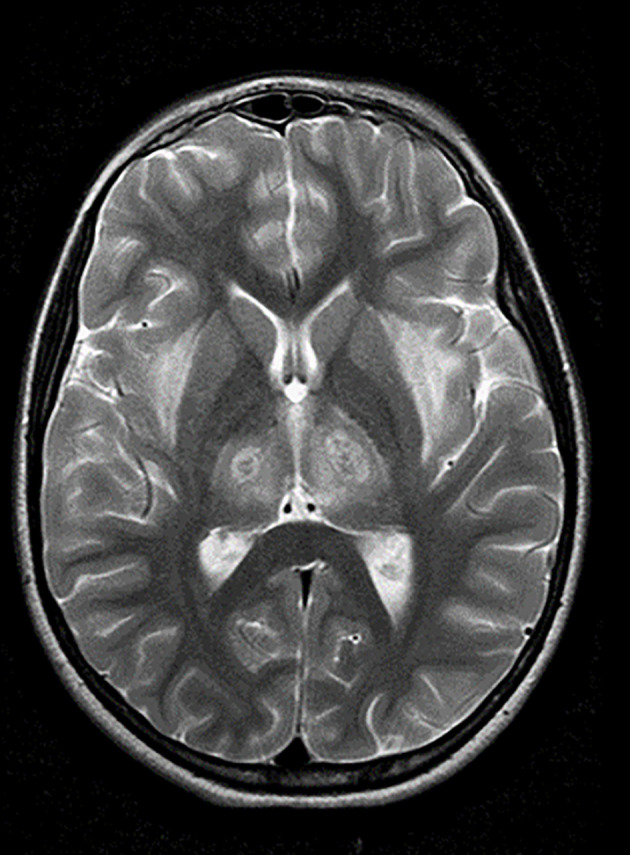
The direct impact and sequelae of infections in children and adults result in significant morbidity and mortality especially when they involve the central (CNS) or peripheral nervous system (PNS). The historical understanding of the pathophysiology has been mostly focused on the direct impact of the various pathogens through neural tissue invasion. However, with the better understanding of neuroimmunology, there is a rapidly growing realization of the contribution of the innate and adaptive host immune responses in the pathogenesis of many CNS and PNS diseases. The balance between the protective and pathologic sequelae of immunity is fragile and can easily be tipped towards harm for the host. The matter of immune privilege and surveillance of the CNS/PNS compartments and the role of the blood-brain barrier (BBB) and blood nerve barrier (BNB) makes this even more complex. Our understanding of the pathogenesis of many post-infectious manifestations of various microbial agents remains elusive, especially in the diverse African setting. Our exploration and better understanding of the neuroimmunology of some of the infectious diseases that we encounter in the continent will go a long way into helping us to improve their management and therefore lessen the burden. Africa is diverse and uniquely poised because of the mix of the classic, well described, autoimmune disease entities and the specifically "tropical" conditions. This review explores the current understanding of some of the para- and post-infectious autoimmune manifestations of CNS and PNS diseases in the African context. We highlight the clinical presentations, diagnosis and treatment of these neurological disorders and underscore the knowledge gaps and perspectives for future research using disease models of conditions that we see in the continent, some of which are not uniquely African and, where relevant, include discussion of the proposed mechanisms underlying pathogen-induced autoimmunity. This review covers the following conditions as models and highlight those in which a relationship with COVID-19 infection has been reported: a) Acute Necrotizing Encephalopathy; b) Measles-associated encephalopathies; c) Human Immunodeficiency Virus (HIV) neuroimmune disorders, and particularly the difficulties associated with classical post-infectious autoimmune disorders such as the Guillain-Barré syndrome in the context of HIV and other infections. Finally, we describe NMDA-R encephalitis, which can be post-HSV encephalitis, summarise other antibody-mediated CNS diseases and describe myasthenia gravis as the classic antibody-mediated disease but with special features in Africa.
Keywords: Africa; autoimmunity; encephalitis; encephalopathy; immunity; neurological disorders; peripheral nervous system; post-infectious.
Copyright © 2022 Ndondo, Eley, Wilmshurst, Kakooza-Mwesige, Giannoccaro, Willison, Cruz, Heckmann, Bateman and Vincent.
Conflict of interest statement
The authors declare that the research was conducted in the absence of any commercial or financial relationships that could be construed as a potential conflict of interest.
Figures
References
Publication types
MeSH terms
LinkOut - more resources
Full Text Sources
Medical
