


Late Fontan Circulatory Failure. What Drives Systemic Venous Congestion and Low Cardiac Output in Adult Fontan Patients?
- PMID: 35360011
- PMCID: PMC8964135
- DOI: 10.3389/fcvm.2022.825472
Late Fontan Circulatory Failure. What Drives Systemic Venous Congestion and Low Cardiac Output in Adult Fontan Patients?
Abstract
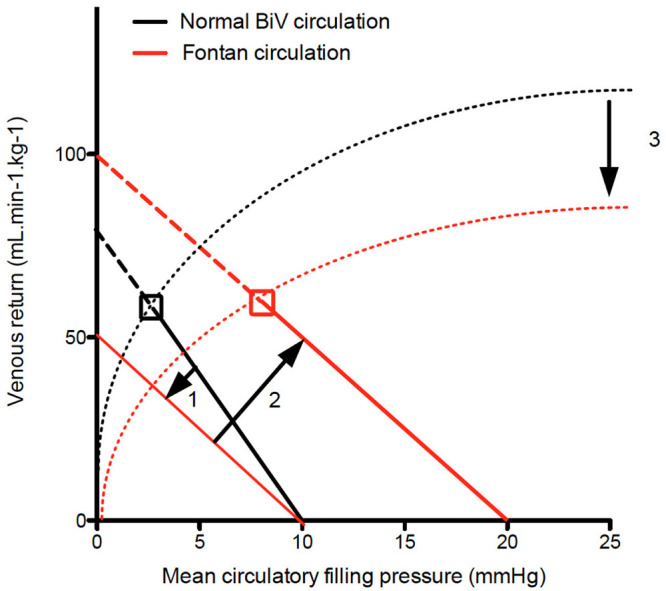
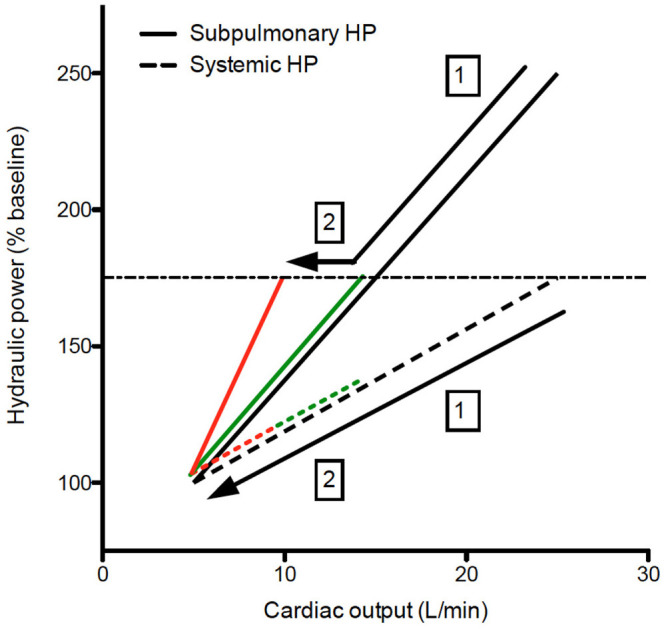
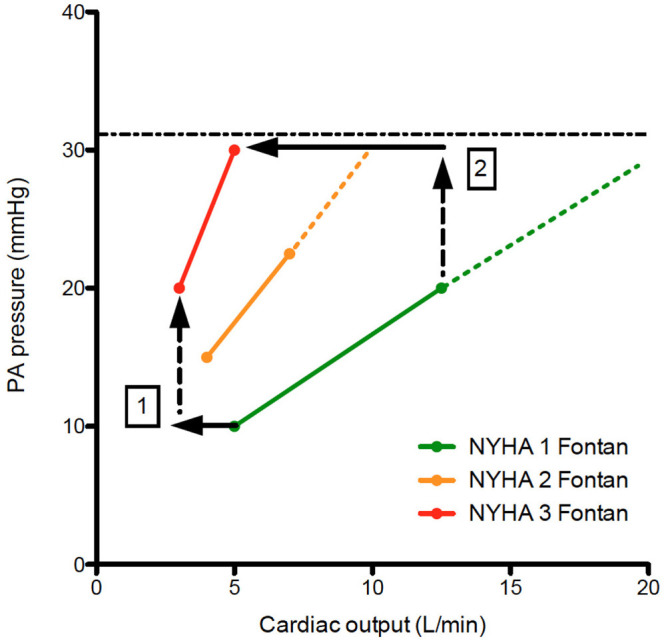
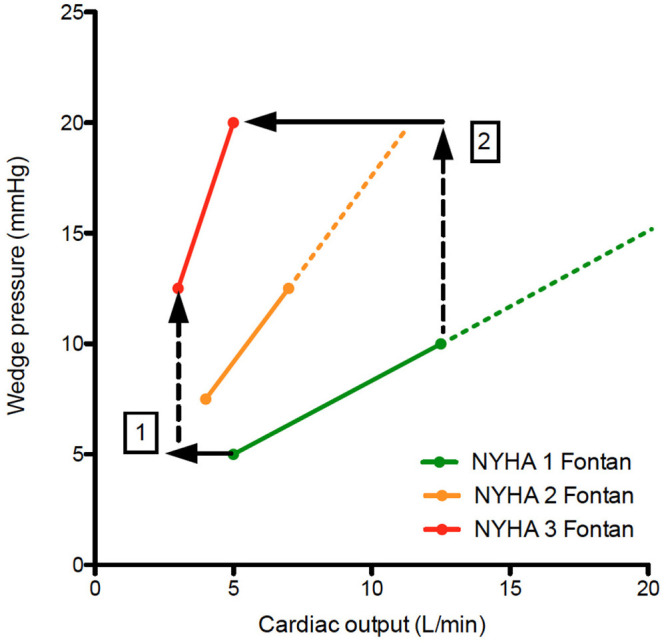
The Fontan circulation provides definite palliation for children born with a single anatomical or functional ventricle by diverting systemic venous blood directly to the pulmonary arteries, effectively rendering systemic venous return into portal vessels to the lung. Although this restores pulmonary blood flow and avoids the mixture of oxygenated and deoxygenated blood, it also results in elevated systemic venous pressures and low cardiac output. These are the two hallmarks of any Fontan circulation and the cause of Fontan circulatory failure later in life. We highlight the determinants of systemic venous return, its changed relationship with the pulmonary circulation, how it affects preload, and the changed role of the heart (myocardium, valves, and heart rate). By critically evaluating the components of the Fontan circulation, we hope to give some clues in how to optimize the Fontan circulation and avenues for future research.
Keywords: Fontan circulation; Fontan circulatory failure; cavopulmonary connection; heart failure; univentricular heart.
Copyright © 2022 Van De Bruaene, Claessen, Salaets and Gewillig.
Conflict of interest statement
The authors declare that the research was conducted in the absence of any commercial or financial relationships that could be construed as a potential conflict of interest.
Figures
References
Publication types
LinkOut - more resources
Full Text Sources
