


Nutritional practice of pregnant women in Buno Bedele zone, Ethiopia: a community based cross-sectional study
- PMID: 35361230
- PMCID: PMC8973800
- DOI: 10.1186/s12978-022-01390-1
Nutritional practice of pregnant women in Buno Bedele zone, Ethiopia: a community based cross-sectional study
Abstract
Background: Worthy health and welfare is part of the goals set by united nation. Dietary practice is visible activities or conducts of eating habit performed by a person. Poor maternal nutrition during pregnancy were associated with higher risk of having a preterm labour, low birth-weight, Intrauterine growth restrictions and facing threats to their own wellbeing and survival.
Objective: To assess the nutritional practice of pregnant women in Buno Bedele zone.
Methods: A community-based cross-sectional study design was deployed to conduct this study from November 1-30, 2019 in the Buno Bedele zone, Ethiopia. The study included 592 pregnant women and a proportional sample of the size of the population was allocated to each 32 kebeles. A structured interviewer administered pretested tool was utilized for data collection. Data entry was conducted using EPI-data version 3.4 and cleaned, edited and analyzed using the SPSS version 24.0. The data were presented in the form of text, frequencies, tables and figures while logistic regression was used to discover the association between dependent and independent variables.
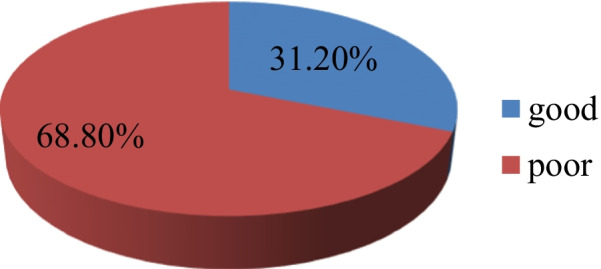
Result: This study found that about 185 (31.2%) pregnant mothers had good dietary practice. The mothers' educational status (AOR = 1.33, 95% CI 0.34, 2.08), income (AOR = 5.7, 95% CI, 5.1, 6.65), dietary knowledge (AOR = 3.03, 95% CI 1.98, 4.18) and pregnancy intervals (AOR = 4.16 95% CI 2.74, 6.49) were factors found to be affecting the nutritional practices of pregnant women.
Conclusion and recommendation: Only 31.2% of pregnant women had good dietary practice. This indicated that the majority of study participants had a poor dietary practice, which is a concern because having poor dietary practice contributes to maternal and neonatal mortality and morbidity. To increase their nutrition practices to have a healthy pregnancy. We need to focus on; nutrition education on basic nutrients, community mobilization on dietary practices using media, work on barriers, and advocating nutrition practice activities.
Keywords: Buno-Bedele; Dietary practice; Pregnant women.
Plain language summary
Worthy health and welfare is part of the goals set by united nation. Dietary practice is visible activities or conducts of eating habit performed by a person. To have healthy and appropriate working of the body, eating balanced diet is very crucial. This study found that about 185 (31.2%) pregnant mothers had good dietary practice. The mothers’ educational status, income, dietary knowledge and pregnancy intervals were factors found to be affecting the nutritional practices of pregnant women. The finding indicated that the majority of study participants had a poor dietary practice, which is a concern because having poor dietary practice contributes to maternal and neonatal mortality and morbidity. To avert the problem this results healthy pregnancy. We need to focus on; nutrition education on basic nutrients, community mobilization on a diet using media, work on barriers and advocating nutrition practice.
© 2022. The Author(s).
Conflict of interest statement
The authors declare that they have no competing interests.
Figures
References
-
- Assembly United General. Draft Outcome Document of the United Nations Summit for the Adoption of the Post-2015 Development Agenda. United General Assembly: New York, NY, USA; 2015.
-
- Desalegn K, Pragya S, Debebe M. J Pharm Sci Innovation.
-
- Infant and Young Child Nutrition project literature review prepared for the Message and materials development workshop produced through support provided by the United States Agency for International Development (USAID), Addis Ababa, Ethiopia; 2011.
MeSH terms
LinkOut - more resources
Full Text Sources
