


Cause, Epidemiology, and Histology of Polyps and Pathways to Colorectal Cancer
- PMID: 35361330
- PMCID: PMC9924026
- DOI: 10.1016/j.giec.2021.12.001
Cause, Epidemiology, and Histology of Polyps and Pathways to Colorectal Cancer
Abstract
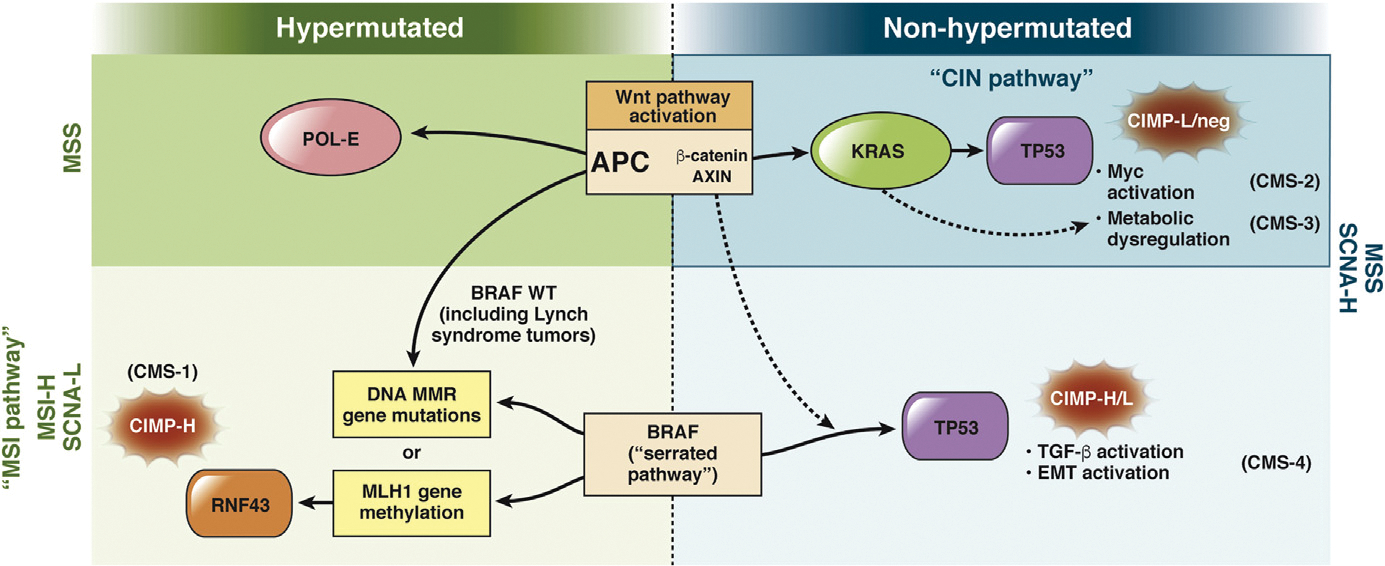
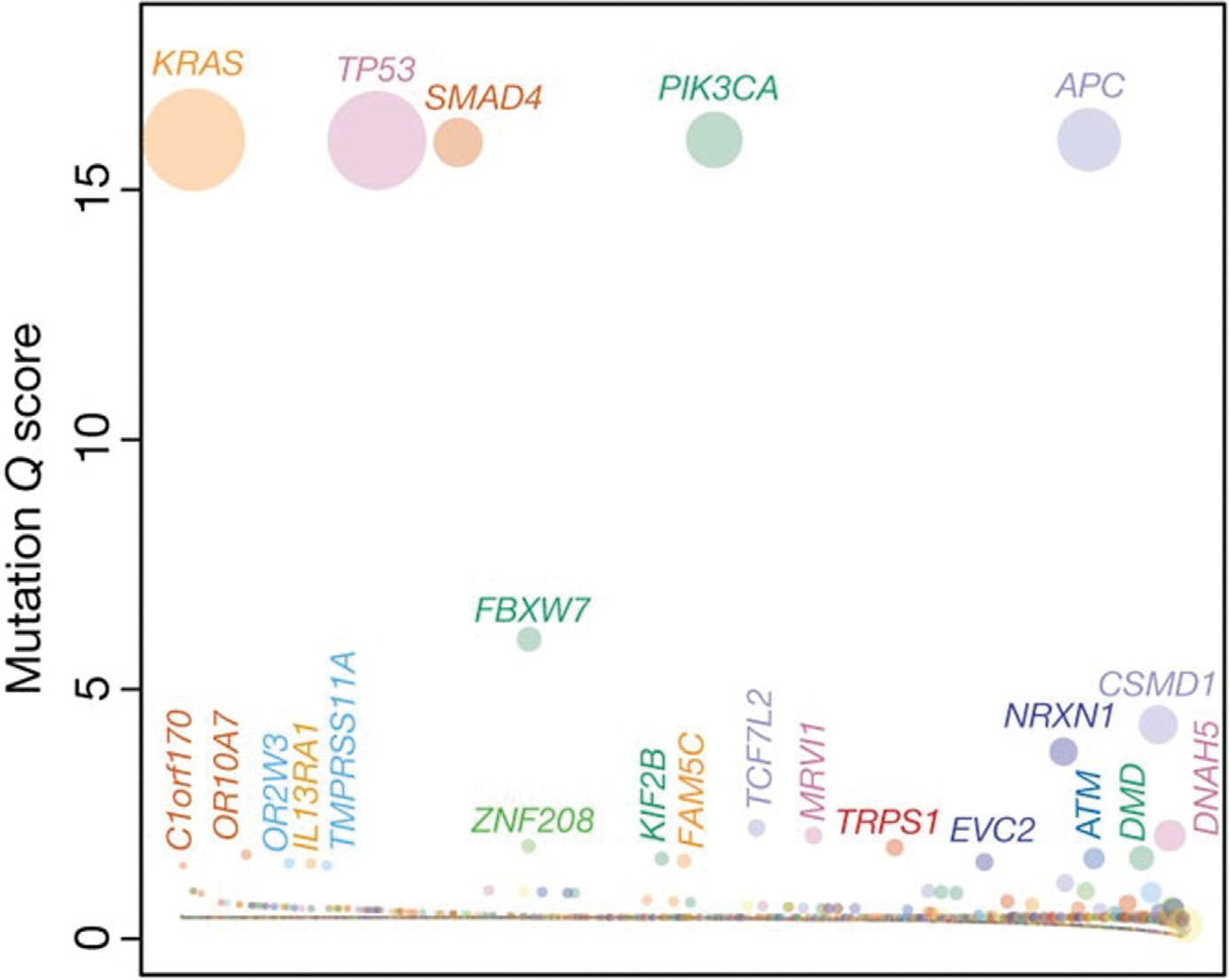
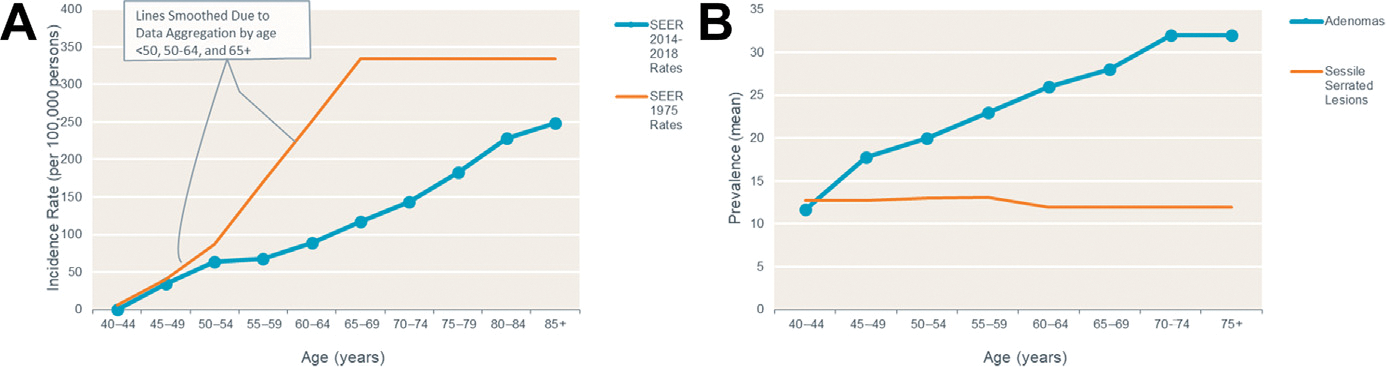
Colorectal cancer is the second leading cause of cancer-associated mortality, with a lifetime risk of approximately 4% to 5%. Colorectal cancer develops from the sequential acquisition of defined genetic mutations in the colonic epithelium. Tumorigenesis from normal tissue to cancer occurs largely through 3 pathways: the chromosomal instability pathway, the microsatellite instability pathway, and the sessile serrated pathway. Colorectal cancer incidence and mortality have decreased by approximately 35% since the beginning of screening programs in the 1990s, although other factors such as use of aspirin for coronary disease prevention and decreased smoking rates may also be important. In this review, we discuss the etiology, epidemiology, and histology of colorectal polyps and cancer.
Keywords: Adenoma; Colon cancer screening; Colon polyp; Colorectal cancer.
Published by Elsevier Inc.
Conflict of interest statement
Disclosure B.A. Sullivan reports support from Exact Sciences, which is outside the scope of the this work. J. Roper reports support from Fractyl, Karl Storz, Gilead, and Zentalis, which are outside the scope of this article.
Figures
References
Publication types
MeSH terms
Grants and funding
LinkOut - more resources
Full Text Sources
Medical
