


COVID-19 and systemic sclerosis: Rising to the challenge of a pandemic
- PMID: 35382249
- PMCID: PMC8922634
- DOI: 10.1177/2397198320963393
COVID-19 and systemic sclerosis: Rising to the challenge of a pandemic
Abstract
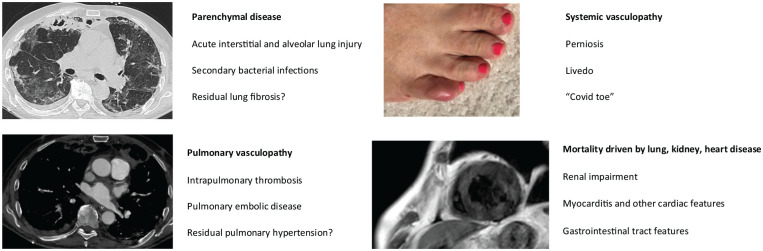
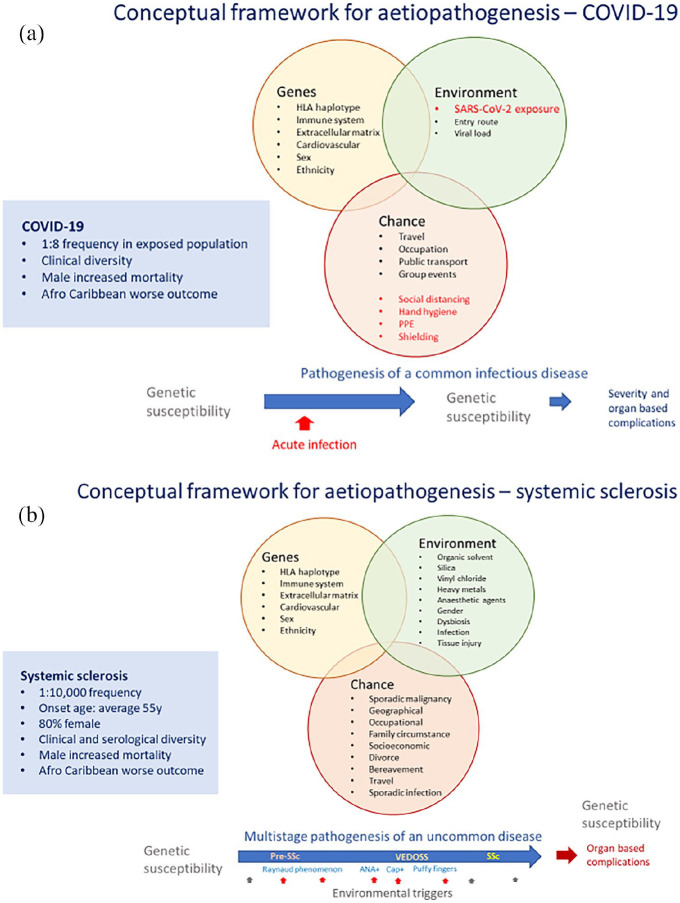
COVID-19, caused by infection of the novel coronavirus SARS-CoV-2, has caused a pandemic of enormous impact that has challenged healthcare and political system throughout the world. This new health emergency has occurred on top of the usual burden of diseases, including systemic sclerosis, and has led to many unanticipated consequences. An early consequence of the pandemic was postponement of the Sixth Systemic Sclerosis World Congress that was recently completed as a successful virtual congress with more than 1000 delegates. In this article, we summarise the relevance and impact of COVID-19 from the perspective of systemic sclerosis. Shared concepts of pathogenesis are considered, and the relevant literature emerging about COVID-19 and systemic sclerosis summarised. The specific impact of this pandemic on delivery of optimal scleroderma care is considered, together with the broader effect on rheumatic and musculoskeletal diseases and the activities of European League Against Rheumatism. As the World continues to struggle against this new infectious disease, it is notable that expertise and growing understanding of systemic sclerosis has been able to help tackle COVID-19. Moreover, the essential adjustments to deliver clinical care and establishment of new ways of working due to the pandemic have offered potential avenues for future improvement in systemic sclerosis care.
Keywords: COVID-19; EULAR; lung fibrosis; pathogenesis; scleroderma.
© The Author(s) 2020.
Conflict of interest statement
Declaration of conflicting interests: The author(s) declared no potential conflicts of interest with respect to the research, authorship, and/or publication of this article.
Figures
References
-
- Figliozzi S, Masci PG, Ahmadi N, et al. Predictors of adverse prognosis in Covid-19: a systematic review and meta-analysis. Eur J Clin Invest 2020; 29: e13362. - PubMed
-
- El Hachem M, Diociaiuti A, Concato C, et al. A clinical, histopathological and laboratory study of 19 consecutive Italian paediatric patients with chilblain-like lesions: lights and shadows on the relationship with COVID-19 infection. J Eur Acad Dermatol Venereol 2020; 34(11): 2620–2629. - PMC - PubMed
Publication types
LinkOut - more resources
Full Text Sources
Research Materials
Miscellaneous