


Comparative effectiveness of paediatric kidney stone surgery (the PKIDS trial): study protocol for a patient-centred pragmatic clinical trial
- PMID: 35383073
- PMCID: PMC8983998
- DOI: 10.1136/bmjopen-2021-056789
Comparative effectiveness of paediatric kidney stone surgery (the PKIDS trial): study protocol for a patient-centred pragmatic clinical trial
Abstract
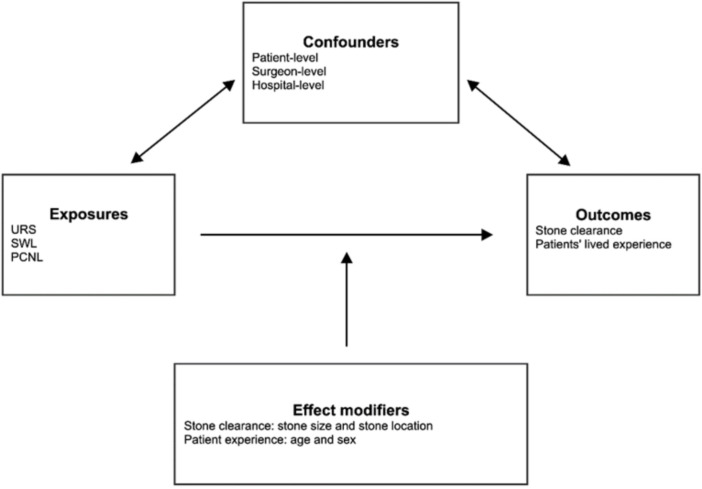
Introduction: The strength of the evidence base for the comparative effectiveness of three common surgical modalities for paediatric nephrolithiasis (ureteroscopy, shockwave lithotripsy and percutaneous nephrolithotomy) and its relevance to patients and caregivers are insufficient. We describe the methods and rationale for the Pediatric KIDney Stone (PKIDS) Care Improvement Network Trial with the aim to compare effectiveness of surgical modalities in paediatric nephrolithiasis based on stone clearance and lived patient experiences. This protocol serves as a patient-centred alternative to randomised controlled trials for interventions where clinical equipoise is lacking.
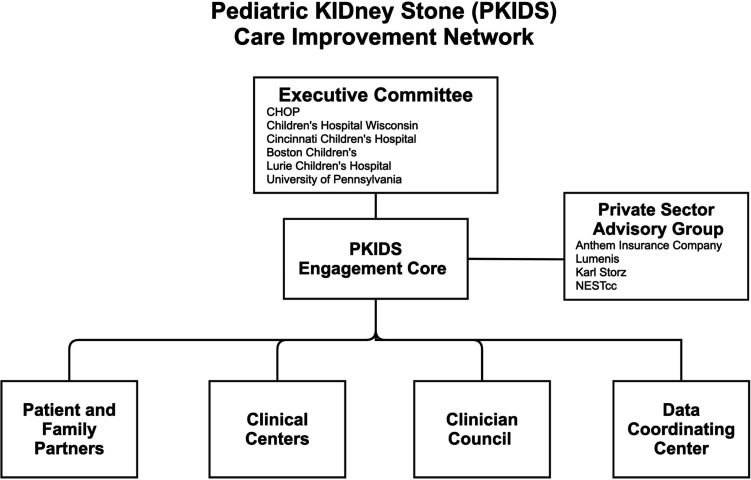
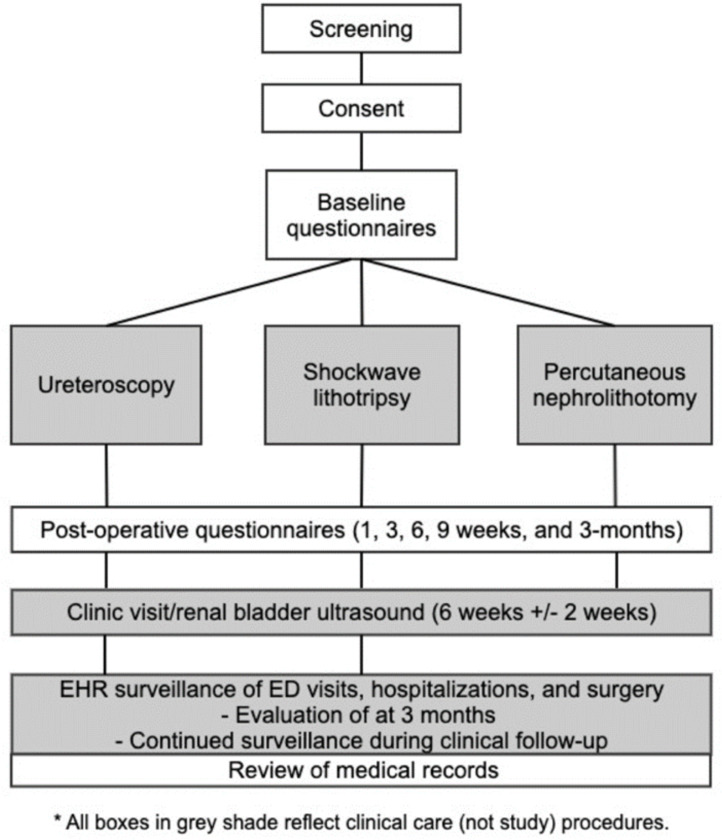
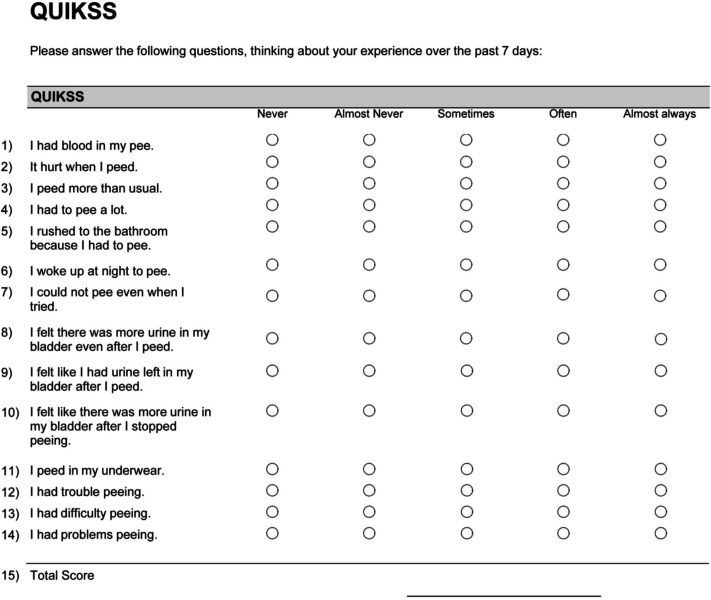
Methods and analysis: The PKIDS is a collaborative learning organisation composed of 26 hospitals that is conducting a prospective pragmatic clinical trial comparing the effectiveness of ureteroscopy, shockwave lithotripsy and percutaneous nephrolithotomy for youth aged 8-21 years with kidney and/or ureteral stones. Embedded within clinical care, the PKIDS trial will collect granular patient-level, surgeon-level and institution-level data, with a goal enrolment of 1290 participants over a 21-month period. The primary study outcome is stone clearance, defined as absence of a residual calculus of >4 mm on postoperative ultrasound. Secondary outcomes include patient-reported physical, emotional and social health outcomes (primarily using the Patient-Reported Outcome Measurement Information System), analgesic use and healthcare resource use. Timing and content of secondary outcomes assessments were set based on feedback from patient partners. Heterogeneity of treatment effect for stone clearance and patient-reported outcomes by participant and stone characteristics will be assessed.
Ethics and dissemination: This study is approved by the central institutional review board with reliance across participating sites. Participating stakeholders will review results and contribute to development dissemination at regional, national and international meetings.
Trial registration number: NCT04285658; Pre-results.
Keywords: Clinical trials; Protocols & guidelines; UROLOGY.
© Author(s) (or their employer(s)) 2022. Re-use permitted under CC BY-NC. No commercial re-use. See rights and permissions. Published by BMJ.
Conflict of interest statement
Competing interests: JSE is a consultant for Dicerna Pharmaceuticals and Alnylam Pharmaceuticals. TL is cofounder of MicrobiomX and Singletto. GT is on the Scientific Advisory Board for Allena Pharmaceuticals, Dicerna Pharmaceuticals and Novome Biotechnology. The other authors have no relevant conflicts of interest to disclose.
Figures
References
-
- Schaeffer AJ, Freeman M, Giambarresi L. Introduction to the National urology research agenda: a roadmap for priorities in urological disease research. Philadelphia, PA: Wolters Kluwer, 2010. - PubMed
