


Recent Advances in Fungal Infections: From Lung Ecology to Therapeutic Strategies With a Focus on Aspergillus spp
- PMID: 35386908
- PMCID: PMC8977413
- DOI: 10.3389/fmed.2022.832510
Recent Advances in Fungal Infections: From Lung Ecology to Therapeutic Strategies With a Focus on Aspergillus spp
Abstract
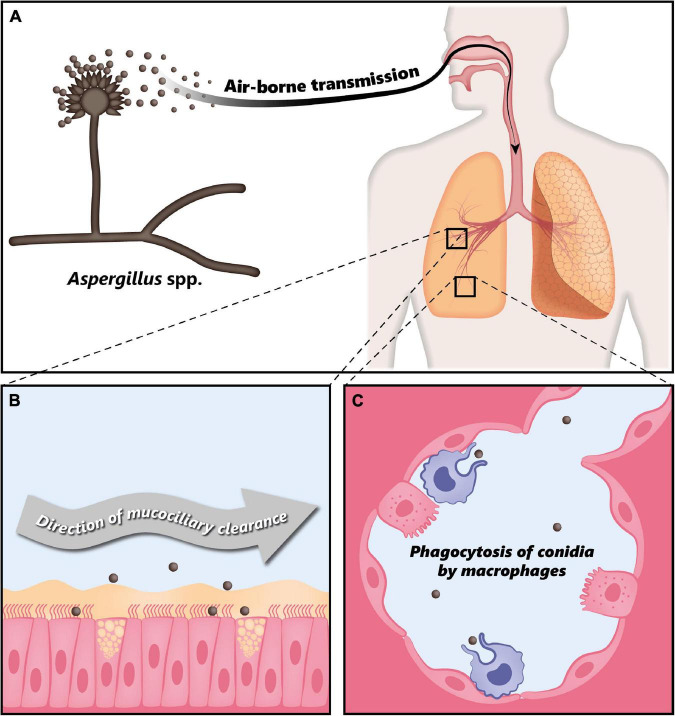
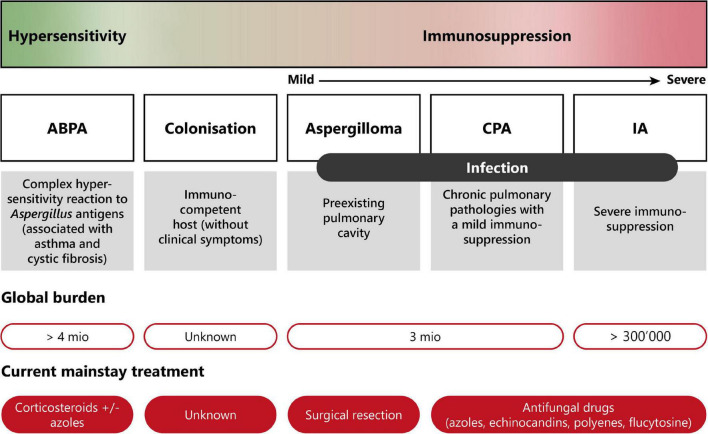
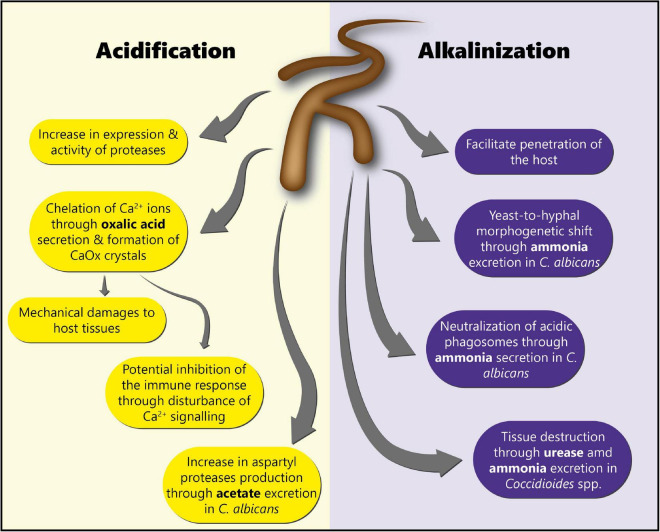
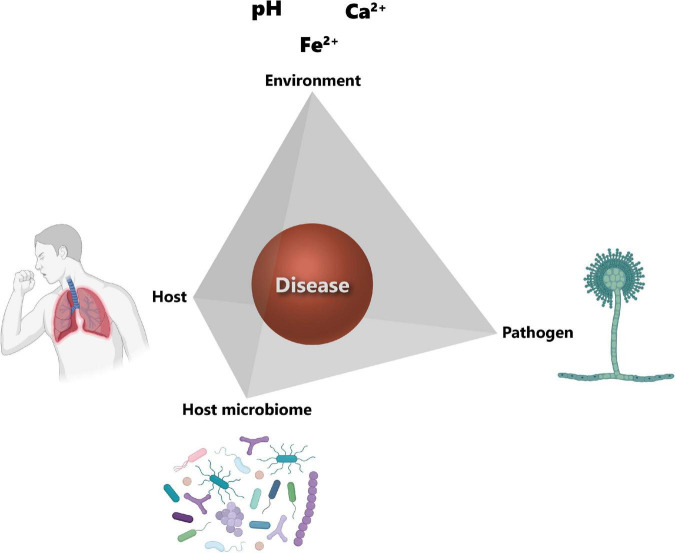
Fungal infections are estimated to be the main cause of death for more than 1.5 million people worldwide annually. However, fungal pathogenicity has been largely neglected. This is notably the case for pulmonary fungal infections, which are difficult to diagnose and to treat. We are currently facing a global emergence of antifungal resistance, which decreases the chances of survival for affected patients. New therapeutic approaches are therefore needed to face these life-threatening fungal infections. In this review, we will provide a general overview on respiratory fungal infections, with a focus on fungi of the genus Aspergillus. Next, the immunological and microbiological mechanisms of fungal pathogenesis will be discussed. The role of the respiratory mycobiota and its interactions with the bacterial microbiota on lung fungal infections will be presented from an ecological perspective. Finally, we will focus on existing and future innovative approaches for the treatment of respiratory fungal infections.
Keywords: aspergillosis; chronic respiratory disease; disease management; environmental interference; live biotherapeutic products; microbiome; mycobiome.
Copyright © 2022 Palmieri, Koutsokera, Bernasconi, Junier, von Garnier and Ubags.
Conflict of interest statement
The authors declare that the research was conducted in the absence of any commercial or financial relationships that could be construed as a potential conflict of interest.
Figures
References
-
- Suleyman G, Alangaden GJ. Nosocomial fungal infections: epidemiology, infection control, and prevention. Infect Dis Clin North Am. (2016) 30:1023–52. - PubMed
Publication types
LinkOut - more resources
Full Text Sources
Miscellaneous
