


Effects of the Type of Sports Practice on the Executive Functions of Schoolchildren
- PMID: 35409571
- PMCID: PMC8998109
- DOI: 10.3390/ijerph19073886
Effects of the Type of Sports Practice on the Executive Functions of Schoolchildren
Abstract
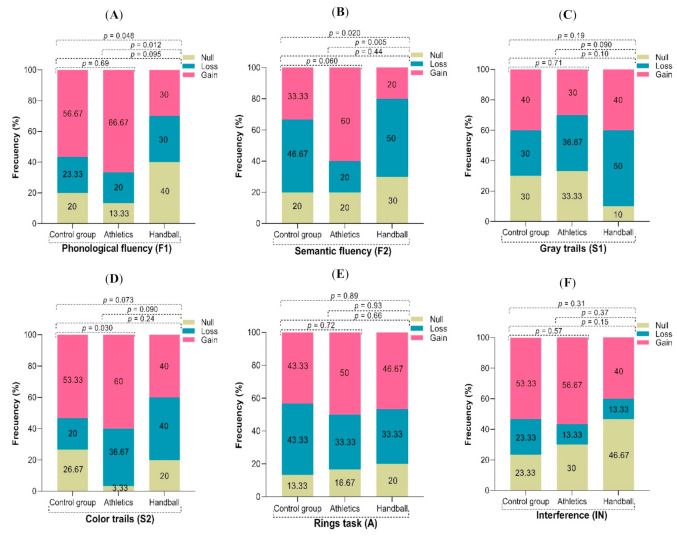
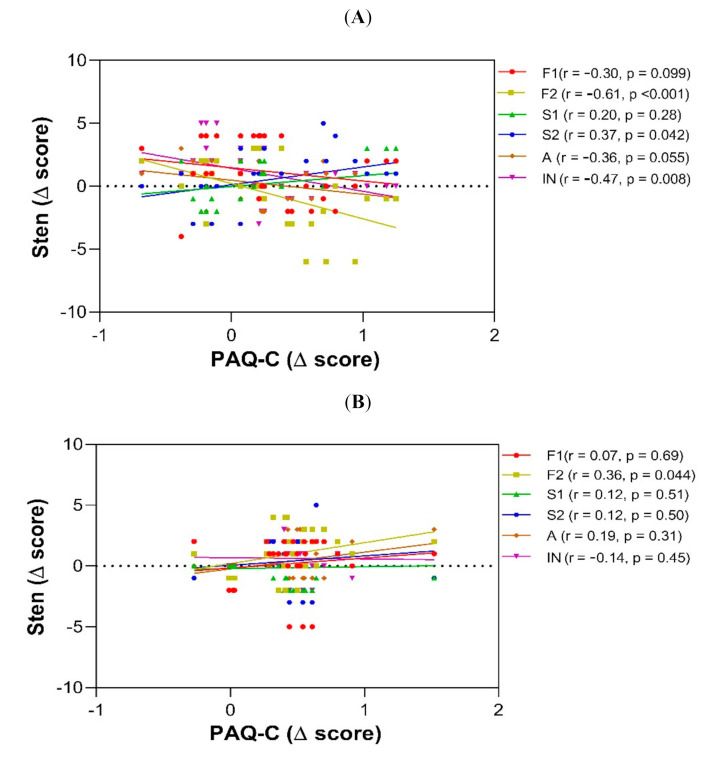
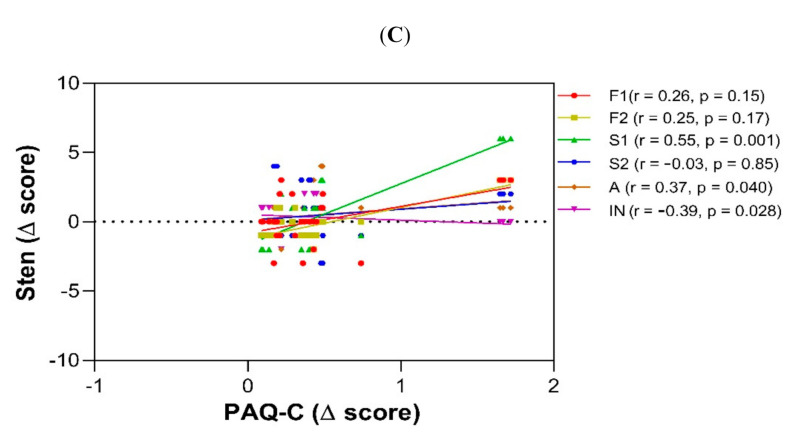
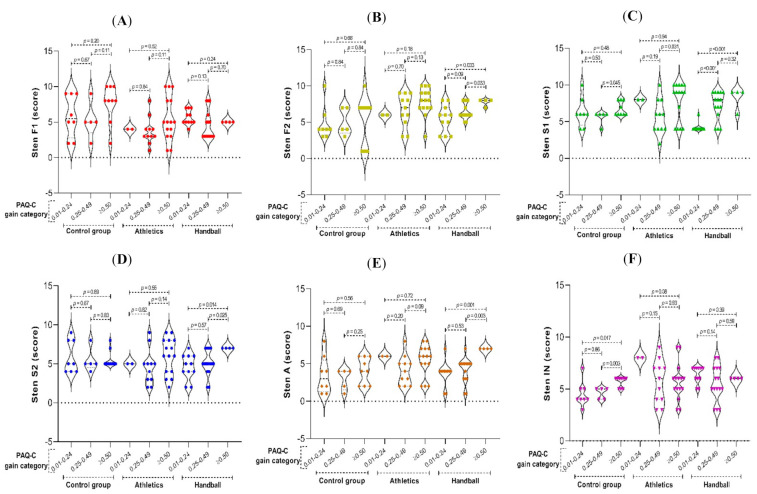
There is a close relationship between the development of complex motor skills and executive functions during childhood. This study aimed to analyze the differences in different dimensions of executive functions in children practicing an open-skill sport (handball) and a closed-skill sport (athletics) and controls who did not participate in sports activities after a 12-week intervention period. School-aged male and female subjects (n = 90; mean ± standard deviation = 11.45 ± 0.68 years) participated in a non-randomized controlled study. Data analysis was performed using the STATA V.15 statistical software. The athletics intervention promoted semantic fluency (p = 0.007), whereas handball increased inhibition (p = 0.034). Additionally, physical activity improved in both intervention groups (p = < 0.001), whereas sprint performance improved in the handball group following intervention (p = 0.008), lower body muscular power improved in athletics (p = 0.04), and evidence of improvement in upper body muscular strength was noted in handball (p = 0.037). In turn, an increase in the Physical Activity Questionnaire for older Children score showed an association with the Standard Ten scores of executive functions. In conclusion, compared to controls, both athletics and handball induced meaningful improvements in physical activity and executive functions. However, sport-specific adaptations were noted after athletics (i.e., semantic fluency and lower body muscular power) and handball (i.e., inhibition, sprint, and upper-body muscular strength).
Keywords: executive functions; human physical conditioning; muscle strength; musculoskeletal and neural physiological phenomena; physical activity and sport in youth; physical education and training; physical fitness; sport.
Conflict of interest statement
The authors declare no conflict of interest.
Figures
References
-
- Van der Fels I.M.J., te Wierike S.C.M., Hartman E., Elferink-Gemser M.T., Smith J., Visscher C. The relationship between motor skills and cognitive skills in 4-16 year old typically developing children: A systematic review. J. Sci. Med. Sport. 2015;18:697–703. doi: 10.1016/j.jsams.2014.09.007. - DOI - PubMed
-
- McClelland M.M., Cameron C.E. Developing together: The role of executive function and motor skills in children’s early academic lives. Early Child. Res. Q. 2019;46:142–151. doi: 10.1016/j.ecresq.2018.03.014. - DOI
-
- Gandotra A., Kótyuk S., Sattar Y., Bizonics V., Csaba R., Cserényi R., Cserjesi E. A Meta-analysis of the Relationship between Motor Skills and Executive Functions in Typically-developing Children. J. Cogn. Dev. 2021;23:83–110. doi: 10.1080/15248372.2021.1979554. - DOI
Publication types
MeSH terms
LinkOut - more resources
Full Text Sources
Medical
