


Response to Hypoxia and the Ensuing Dysregulation of Inflammation Impacts Mycobacterium tuberculosis Pathogenicity
- PMID: 35412961
- PMCID: PMC9718519
- DOI: 10.1164/rccm.202112-2747OC
Response to Hypoxia and the Ensuing Dysregulation of Inflammation Impacts Mycobacterium tuberculosis Pathogenicity
Erratum in
-
Erratum: Response to Hypoxia and the Ensuing Dysregulation of Inflammation Impacts Mycobacterium tuberculosis Pathogenicity.Am J Respir Crit Care Med. 2022 Dec 1;206(11):1434. doi: 10.1164/rccm.v206erratum12. Am J Respir Crit Care Med. 2022. PMID: 36453852 Free PMC article. No abstract available.
Abstract
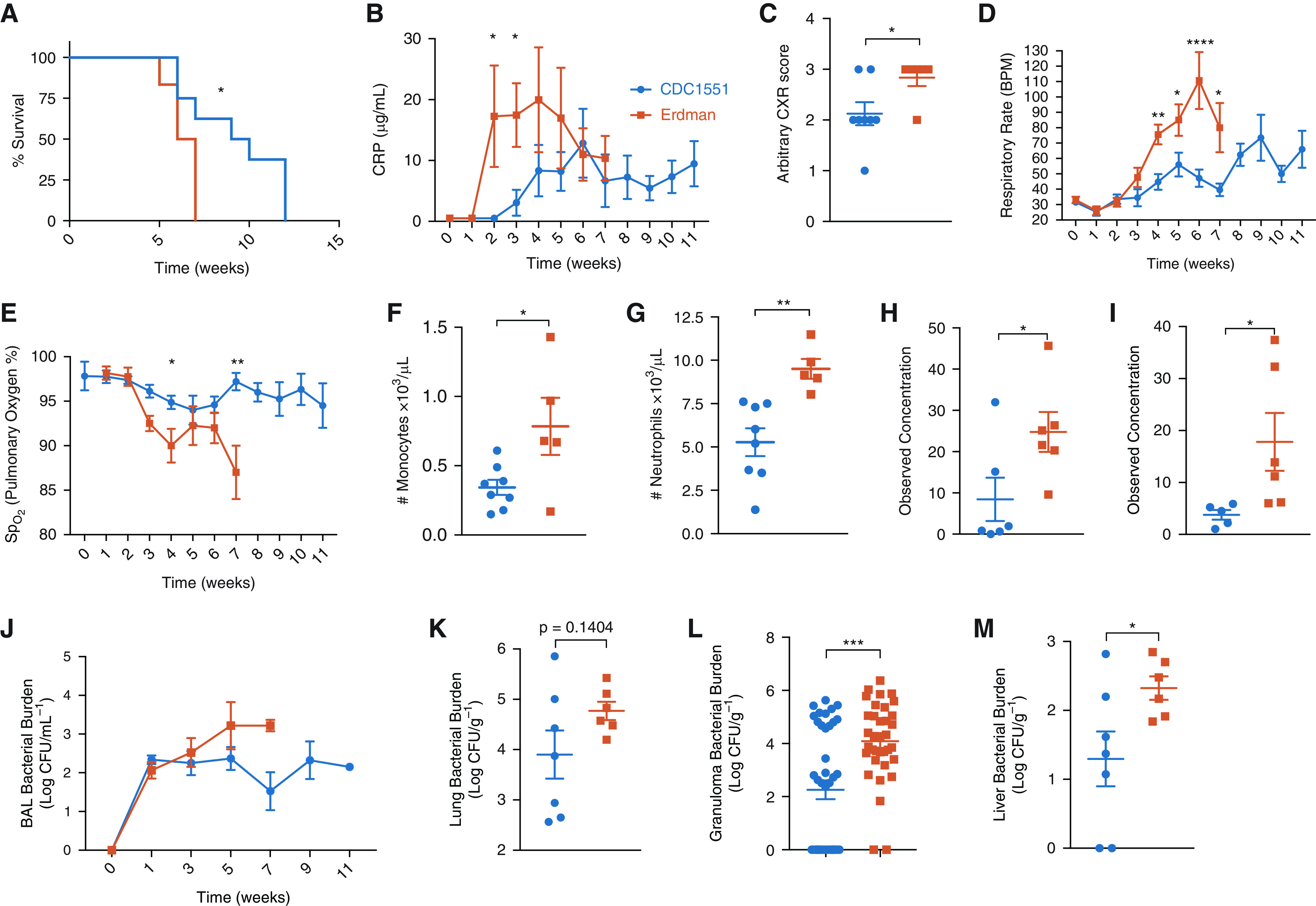
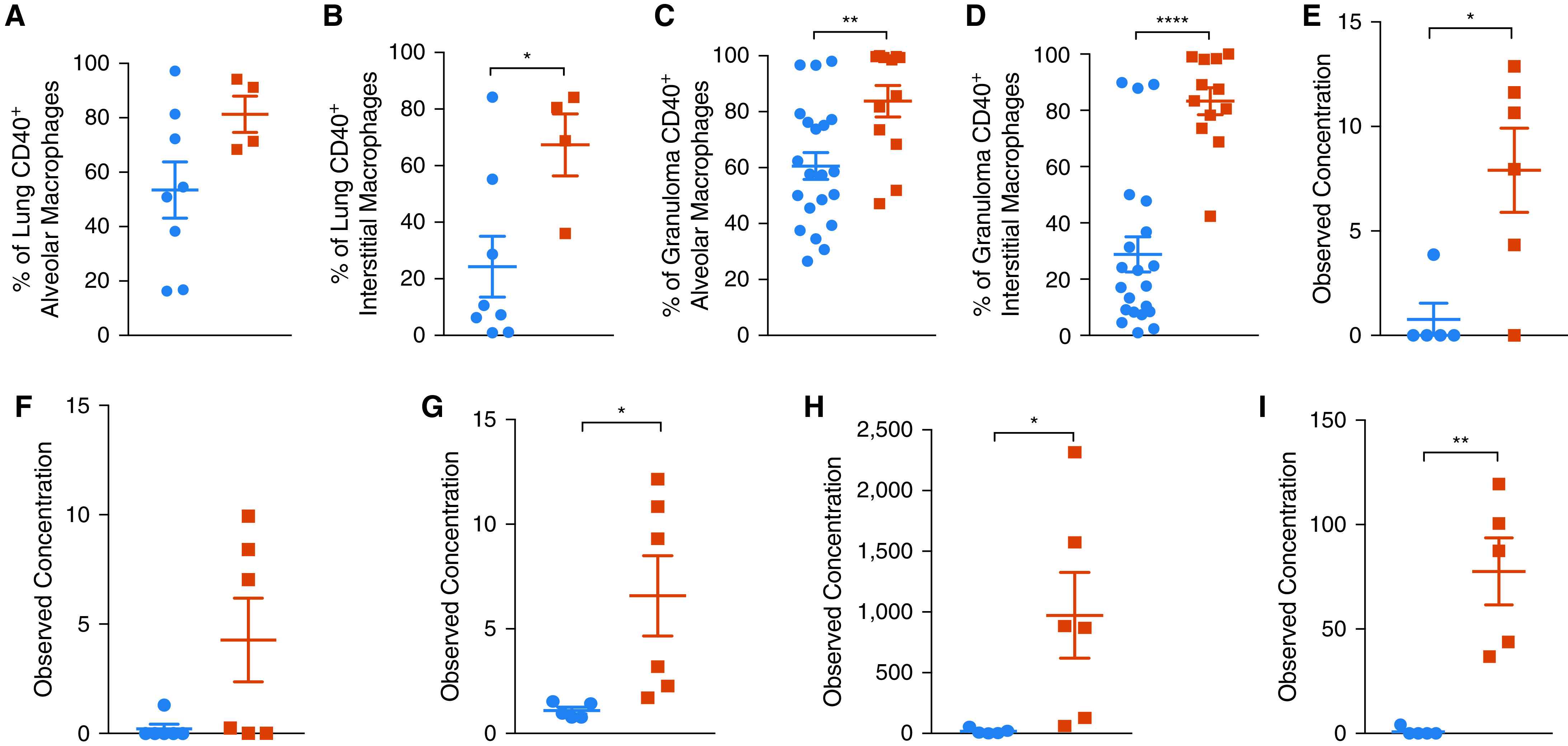
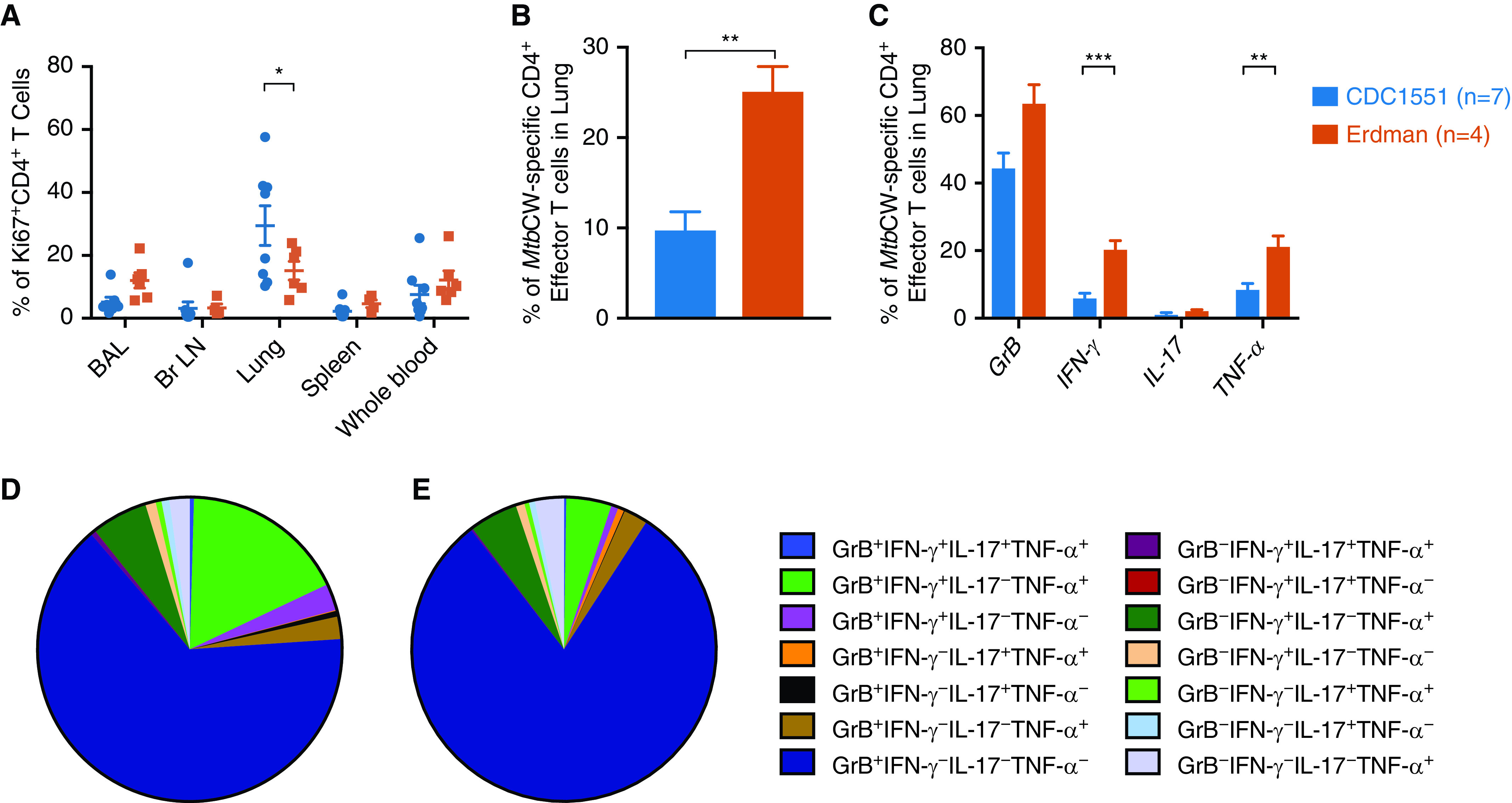
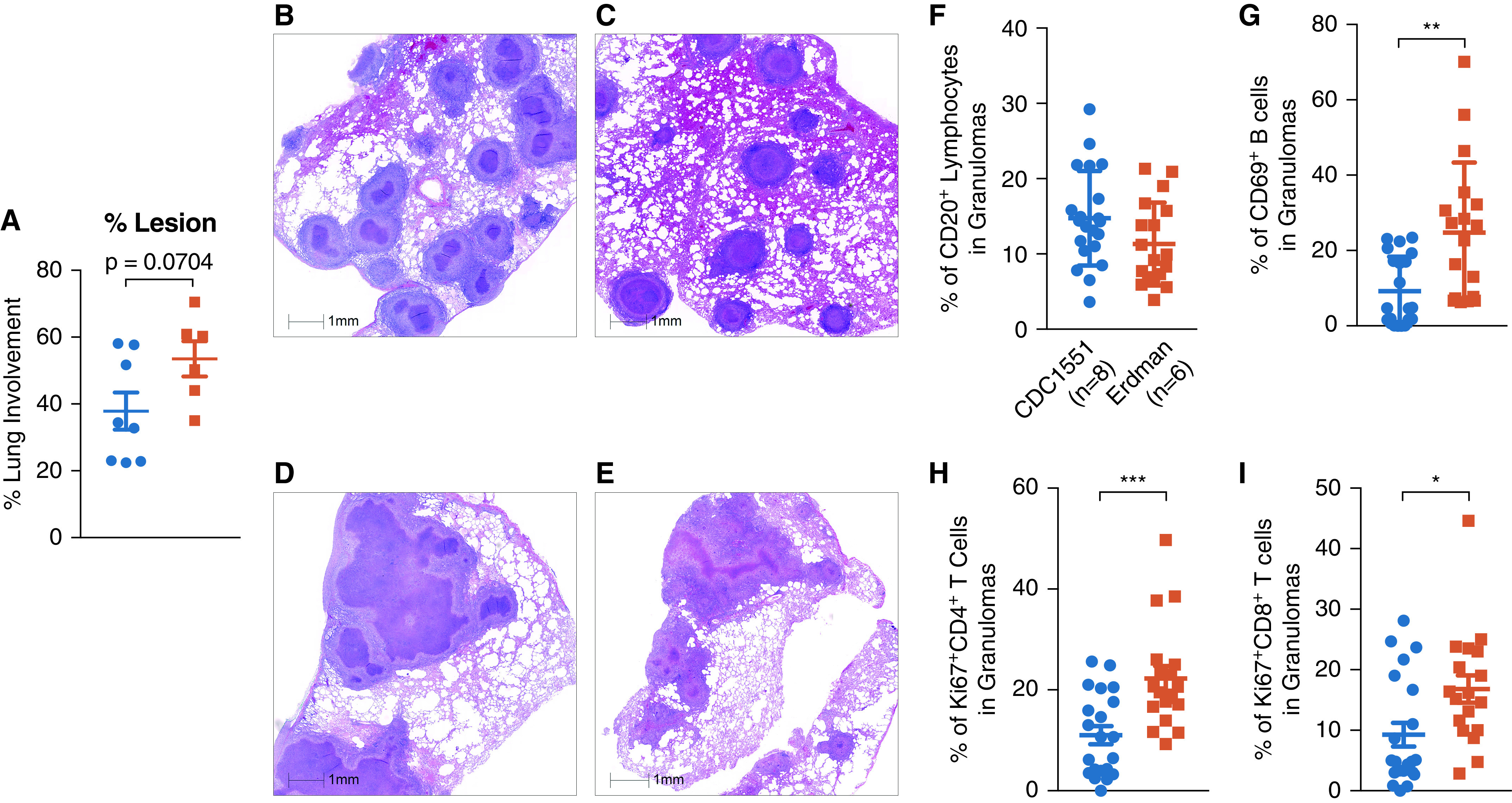
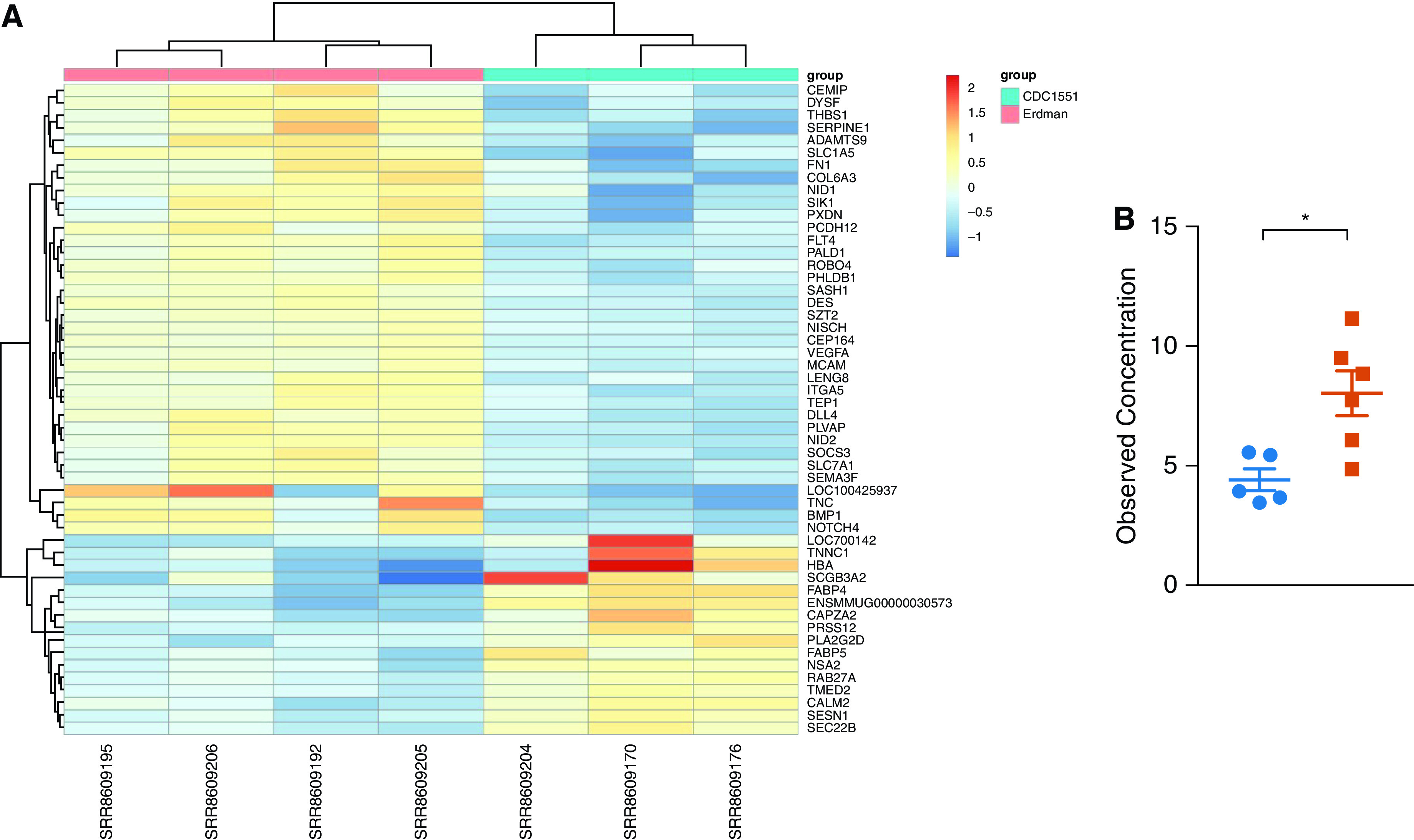
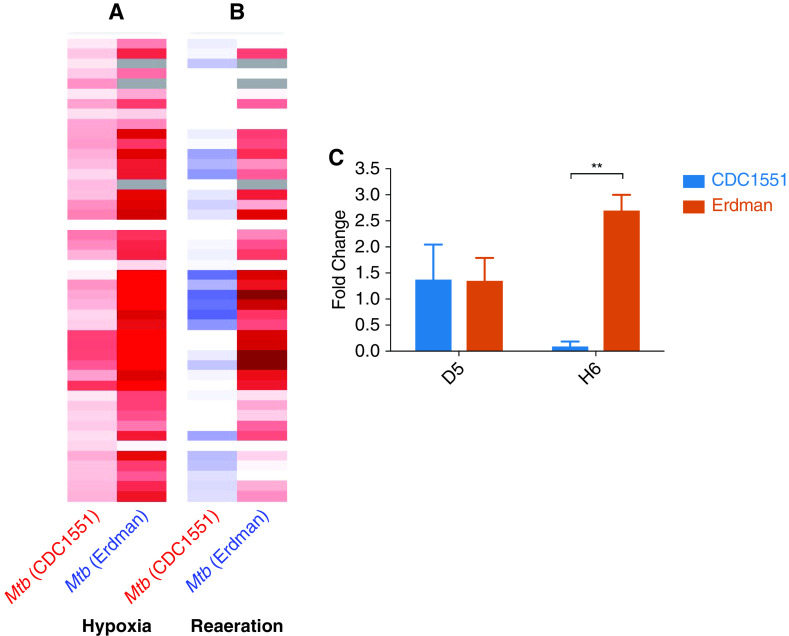
Rationale: Different Mycobacterium tuberculosis (Mtb) strains exhibit variable degrees of virulence in humans and animal models. Differing stress response strategies used by different strains of Mtb could influence virulence. Objectives: We compared the virulence of two strains of Mtb with use in animal model research: CDC1551 and Erdman. Methods: Rhesus macaques, which develop human-like tuberculosis attributes and pathology, were infected with a high dose of either strain via aerosol, and virulence was compared by bacterial burden and pathology. Measurements and Main Results: Infection with Erdman resulted in significantly shorter times to euthanasia and higher bacterial burdens and greater systemic inflammation and lung pathology relative to those infected with CDC1551. Macaques infected with Erdman also exhibited significantly higher early inflammatory myeloid cell influx to the lung, greater macrophage and T cell activity, and higher expression of lung remodeling (extracellular matrix) genes, consistent with greater pathology. Expression of NOTCH4 (neurogenic locus notch homolog 4) signaling, which is induced in response to hypoxia and promotes undifferentiated cellular state, was also higher in Erdman-infected lungs. The granulomas generated by Erdman, and not CDC1551, infection appeared to have larger regions of necrosis, which is strongly associated with hypoxia. To better understand the mechanisms of differential hypoxia induction by these strains, we subjected both to hypoxia in vitro. Erdman induced higher concentrations of DosR regulon relative to CDC1551. The DosR regulon is the global regulator of response to hypoxia in Mtb and critical for its persistence in granulomas. Conclusions: Our results show that the response to hypoxia is a critical mediator of virulence determination in Mtb, with potential impacts on bacillary persistence, reactivation, and efficiency of therapeutics.
Keywords: hypoxia; mycobacterium; tuberculosis.
Figures
Comment in
-
Mycobacterium tuberculosis: A Pathogen That Can Hold Its Breath a Long Time.Am J Respir Crit Care Med. 2022 Jul 1;206(1):10-12. doi: 10.1164/rccm.202203-0432ED. Am J Respir Crit Care Med. 2022. PMID: 35442854 Free PMC article. No abstract available.
References
-
- Parwati I, van Crevel R, van Soolingen D. Possible underlying mechanisms for successful emergence of the Mycobacterium tuberculosis Beijing genotype strains. Lancet Infect Dis . 2010;10:103–111. - PubMed
-
- Buu TN, Huyen MN, Lan NT, Quy HT, Hen NV, Zignol M, et al. The Beijing genotype is associated with young age and multidrug-resistant tuberculosis in rural Vietnam. Int J Tuberc Lung Dis . 2009;13:900–906. - PubMed
-
- Kelley CL, Collins FM. Growth of a highly virulent strain of Mycobacterium tuberculosis in mice of differing susceptibility to tuberculous challenge. Tuber Lung Dis . 1999;79:367–370. - PubMed
Publication types
MeSH terms
Grants and funding
- R01 AI123780/AI/NIAID NIH HHS/United States
- R01AI123780/National Institute of Allergy and Infectious Diseases
- R01 AI111914/AI/NIAID NIH HHS/United States
- P51 OD011104/OD/NIH HHS/United States
- R01AI111914/National Institute of Allergy and Infectious Diseases
- R0AI134245/National Institute of Allergy and Infectious Diseases
- R01 AI134245/AI/NIAID NIH HHS/United States
- R01 AI089323/AI/NIAID NIH HHS/United States
- R01 AI134240/AI/NIAID NIH HHS/United States
- P51 OD011133/OD/NIH HHS/United States
- R01AI089323/National Institute of Allergy and Infectious Diseases
- R01AI134240/National Institute of Allergy and Infectious Diseases
- U42 OD010442/OD/NIH HHS/United States
LinkOut - more resources
Full Text Sources
