


Advances in chemistry and bioactivity of the genus Erythroxylum
- PMID: 35426005
- PMCID: PMC9010490
- DOI: 10.1007/s13659-022-00338-z
Advances in chemistry and bioactivity of the genus Erythroxylum
Abstract
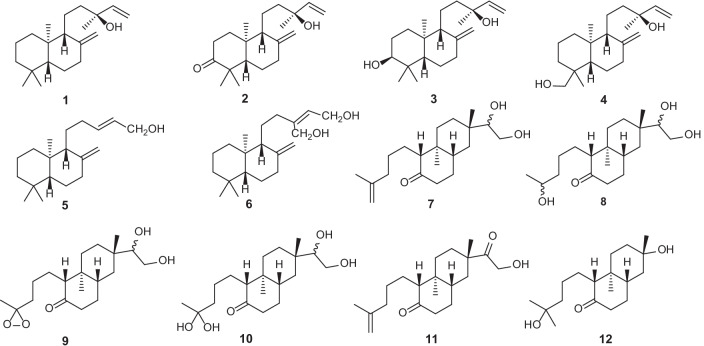
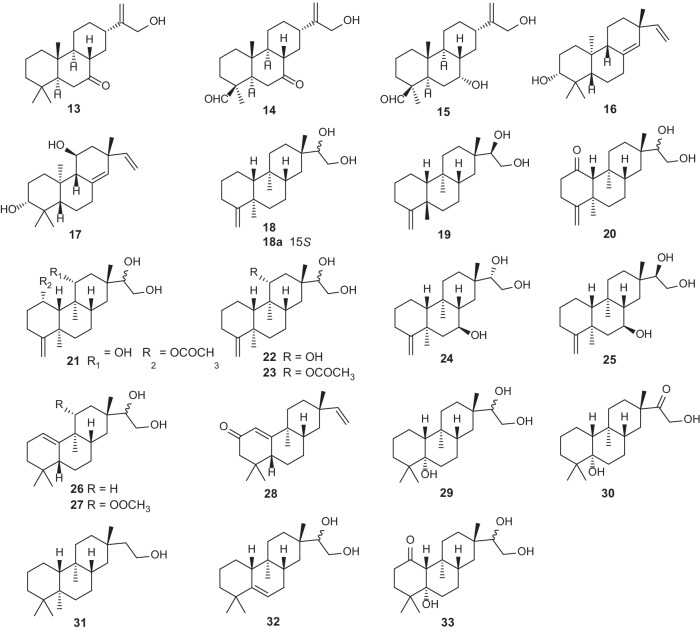
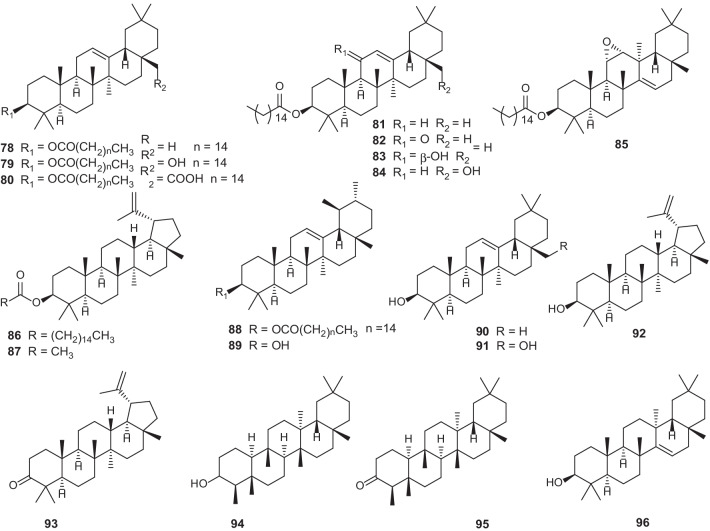
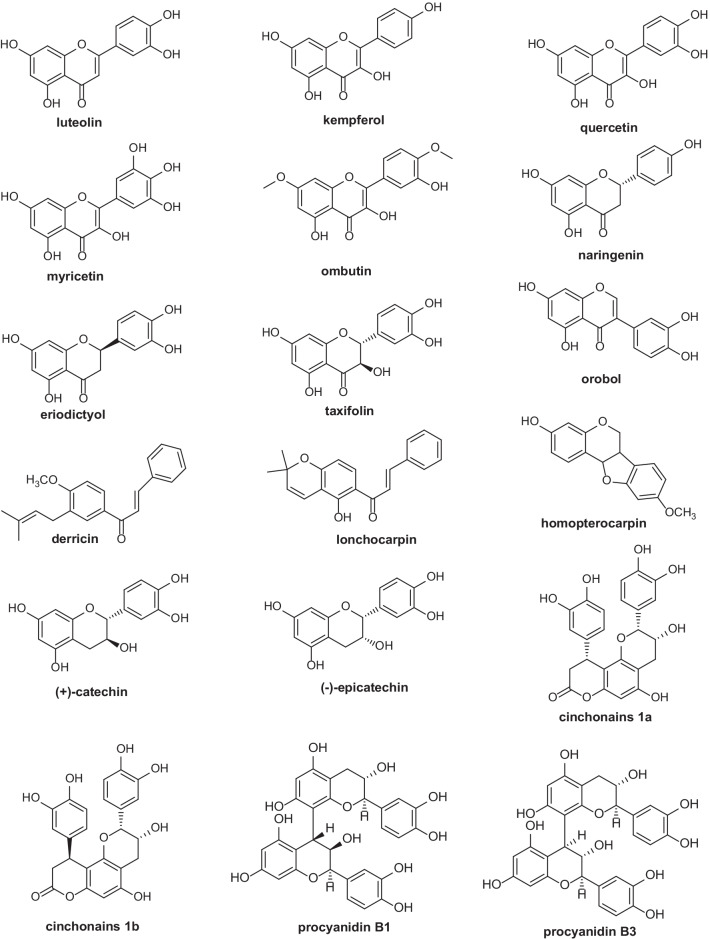
Erythroxylum P. Browne is the largest and most representative genus of Erythroxylaceae family. It contains approximately 230 species that are mainly distributed in tropical and subtropical regions. Some species in this genus, such as E. monogynum and E. coca, have been used as folk medicines in India or South America for a long history. It is well known that Erythroxylum plants are rich in tropane alkaloids, and the representative member cocaine shows remarkable activity in human central nervous system. However, many other types of active compounds have also been found in Erythroxylum along with the broadening and deepening of phytochemical research. To date, a total of 383 compounds from Erythroxylum have been reported, among which only 186 tropane alkaloids have been reviewed in 2010. In this review, we summarized all remained 197 compounds characterized from 53 Erythroxylum species from 1960 to 2021, which include diterpenes, triterpenes, alkaloids, flavonoids, and other derivates, providing a comprehensive overview of phytoconstituents profile of Erythroxylum plants. In addition, the biological activities of representative phytochemicals and crude extracts were also highlighted.
Keywords: Bioactivity; Erythroxylum; Natural products; Phytoconstituent.
© 2022. The Author(s).
Conflict of interest statement
The authors declare no conflict of interest.
Figures



References
-
- Evans WC. The comparative phytochemistry of the genus Erythroxylon. J Ethnopharmacol. 1981;3:265–277. - PubMed
-
- Plowman T, Hensold N. Names, types, and distribution of neotropical species of Erythroxylum (Erythroxylaceae) Brittonia. 2004;56:1–53.
-
- Niemann A. Ueber eine neue organische base in den cocablättern. Arch Pharm (Weinheim) 1860;153:129–155.
-
- Hegnauer R. Chemotaxonomy of Erythroxylaceae (including some ethnobotanical notes on old world species) J Ethnopharmacol. 1981;3:279–292. - PubMed
-
- Ansell SM, Pegel KH, Taylor DAH. Diterpenes from the timber of Erythroxylumaustrale. Phytochemistry. 1993;32:937–943.
Publication types
Grants and funding
LinkOut - more resources
Full Text Sources
