


Rhesus negative males have an enhanced IFNγ-mediated immune response to influenza A virus
- PMID: 35428875
- PMCID: PMC9012157
- DOI: 10.1038/s41435-022-00169-5
Rhesus negative males have an enhanced IFNγ-mediated immune response to influenza A virus
Abstract
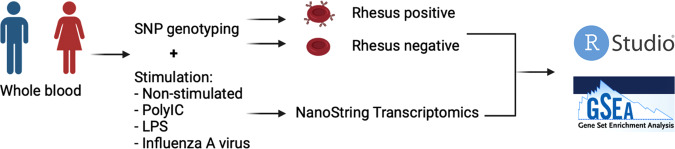
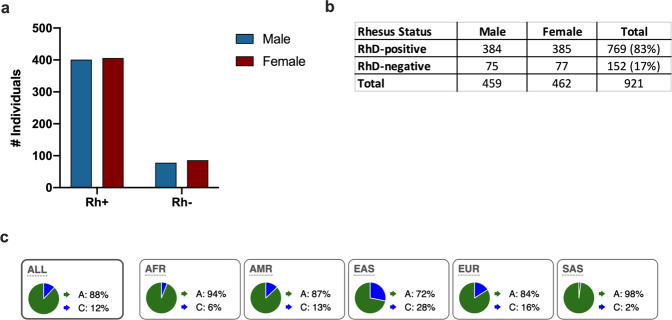
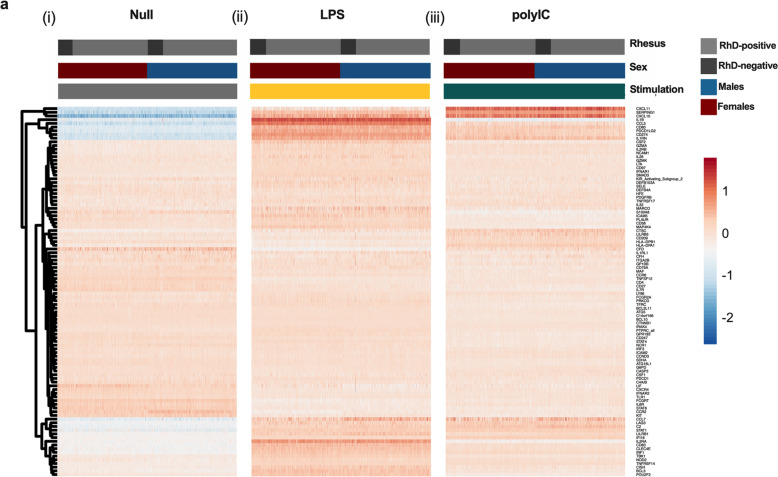
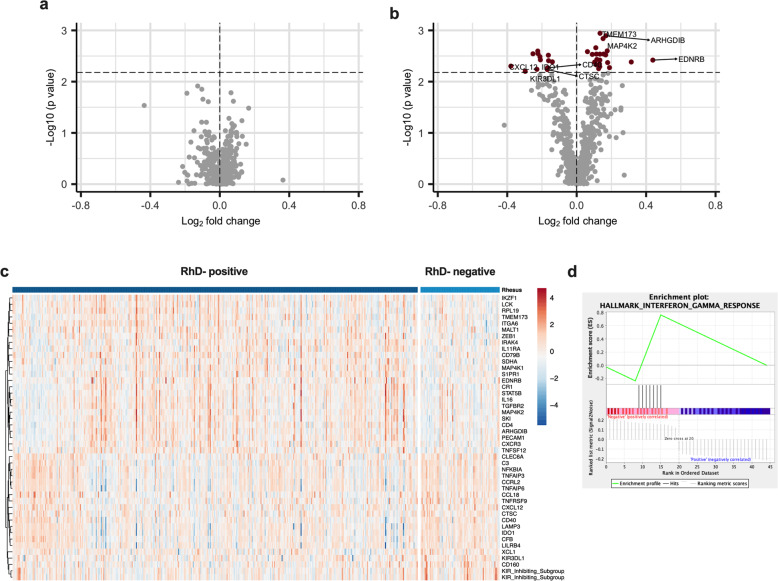
The Rhesus D antigen (RhD) has been associated with susceptibility to several viral infections. Reports suggest that RhD-negative individuals are better protected against infectious diseases and have overall better health. However, potential mechanisms contributing to these associations have not yet been defined. Here, we used transcriptomic and genomic data from the Milieu Interieur cohort of 1000 healthy individuals to explore the effect of Rhesus status on the immune response. We used the rs590787 SNP in the RHD gene to classify the 1000 donors as either RhD-positive or -negative. Whole blood was stimulated with LPS, polyIC, and the live influenza A virus and the NanoString human immunology panel of 560 genes used to assess donor immune response and to investigate sex-specific effects. Using regression analysis, we observed no significant differences in responses to polyIC or LPS between RhD-positive and -negative individuals. However, upon sex-specific analysis, we observed over 40 differentially expressed genes (DEGs) between RhD-positive (n = 384) and RhD-negative males (n = 75) after influenza virus stimulation. Interestingly these Rhesus-associated differences were not seen in females. Further investigation, using gene set enrichment analysis, revealed enhanced IFNγ signalling in RhD-negative males. This amplified IFNγ signalling axis may explain the increased viral resistance previously described in RhD-negative individuals.
© 2022. The Author(s).
Conflict of interest statement
The authors declare no competing interests.
Figures
References
-
- Pegoraro V, Urbinati D, Visser GHA, Di Renzo GC, Zipursky A, Stotler BA, et al. Hemolytic disease of the fetus and newborn due to Rh(D) incompatibility: a preventable disease that still produces significant morbidity and mortality in children. PLoS ONE. 2020;15:1–11.. doi: 10.1371/journal.pone.0235807. - DOI - PMC - PubMed
Publication types
MeSH terms
Substances
LinkOut - more resources
Full Text Sources
