


Chamomile (Matricaria chamomilla L.): A Review of Ethnomedicinal Use, Phytochemistry and Pharmacological Uses
- PMID: 35454969
- PMCID: PMC9032859
- DOI: 10.3390/life12040479
Chamomile (Matricaria chamomilla L.): A Review of Ethnomedicinal Use, Phytochemistry and Pharmacological Uses
Abstract
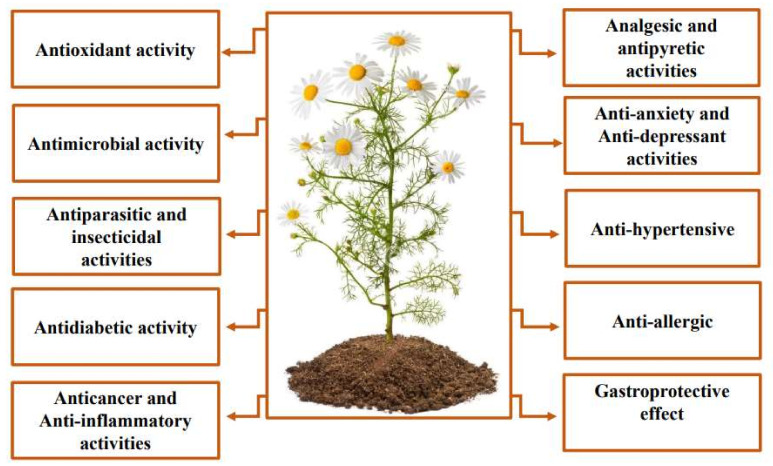
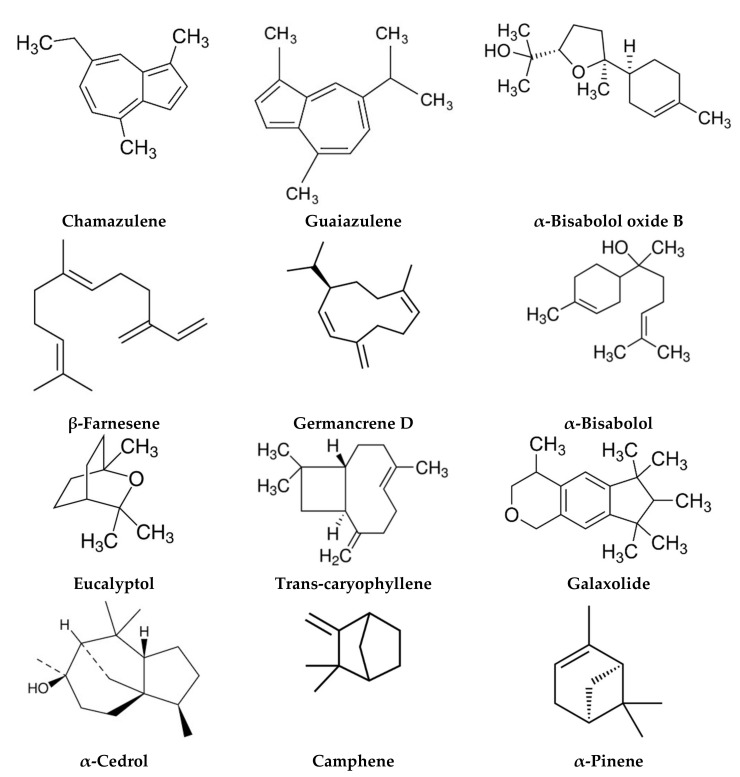
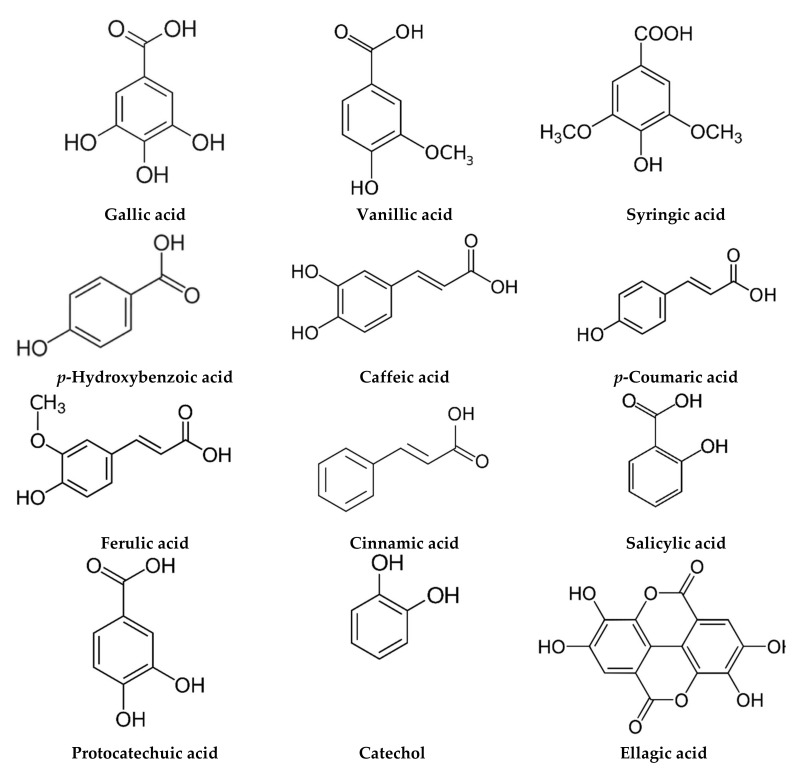
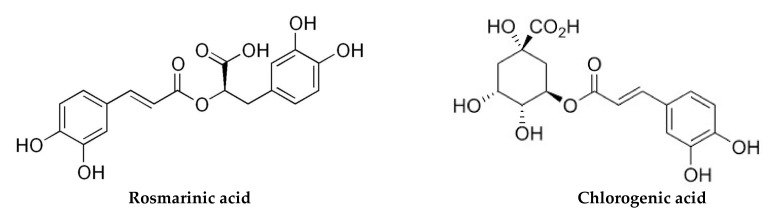
Matricaria chamomilla L. is a famous medicinal plant distributed worldwide. It is widely used in traditional medicine to treat all kinds of diseases, including infections, neuropsychiatric, respiratory, gastrointestinal, and liver disorders. It is also used as a sedative, antispasmodic, antiseptic, and antiemetic. In this review, reports on M. chamomilla taxonomy, botanical and ecology description, ethnomedicinal uses, phytochemistry, biological and pharmacological properties, possible application in different industries, and encapsulation were critically gathered and summarized. Scientific search engines such as Web of Science, PubMed, Wiley Online, SpringerLink, ScienceDirect, Scopus, and Google Scholar were used to gather data on M. chamomilla. The phytochemistry composition of essential oils and extracts of M. chamomilla has been widely analyzed, showing that the plant contains over 120 constituents. Essential oils are generally composed of terpenoids, such as α-bisabolol and its oxides A and B, bisabolone oxide A, chamazulene, and β-farnesene, among other compounds. On the other hand, M. chamomilla extracts were dominated by phenolic compounds, including phenolic acids, flavonoids, and coumarins. In addition, M. chamomilla demonstrated several biological properties such as antioxidant, antibacterial, antifungal, anti-parasitic, insecticidal, anti-diabetic, anti-cancer, and anti-inflammatory effects. These activities allow the application of M. chamomilla in the medicinal and veterinary field, food preservation, phytosanitary control, and as a surfactant and anti-corrosive agent. Finally, the encapsulation of M. chamomilla essential oils or extracts allows the enhancement of its biological activities and improvement of its applications. According to the findings, the pharmacological activities of M. chamomilla confirm its traditional uses. Indeed, M. chamomilla essential oils and extracts showed interesting antioxidant, antibacterial, antifungal, anticancer, antidiabetic, antiparasitic, anti-inflammatory, anti-depressant, anti-pyretic, anti-allergic, and analgesic activities. Moreover, the most important application of M. chamomilla was in the medicinal field on animals and humans.
Keywords: Matricaria; chamomile; ethnomedicine; medicinal herbs; pharmacological activity; phytotherapy.
Conflict of interest statement
The authors declare no conflict of interest.
Figures
References
-
- Lim T.K. Edible Medicinal and Non-Medicinal Plants. Volume 7. Springer; Dordrecht, The Netherlands: 2014. Matricaria chamomilla; pp. 397–431. - DOI
-
- Menale B., De Castro O., Di Iorio E., Ranaldi M., Muoio R. Discovering the ethnobotanical traditions of the island of Procida (Campania, southern Italy) Plant Biosyst. An Int. J. Deal. All Asp. Plant Biol. 2021:1–19. doi: 10.1080/11263504.2021.1881643. - DOI
-
- Živković J., Ilić M., Šavikin K., Zdunić G., Ilić A., Stojković D. Traditional use of medicinal plants in South-Eastern Serbia (Pčinja District): Ethnopharmacological investigation on the current status and comparison with half a century old data. Front. Pharmacol. 2020;11:1020. doi: 10.3389/fphar.2020.01020. - DOI - PMC - PubMed
Publication types
LinkOut - more resources
Full Text Sources
Other Literature Sources
Molecular Biology Databases
