


Antioxidant Cardioprotection against Reperfusion Injury: Potential Therapeutic Roles of Resveratrol and Quercetin
- PMID: 35458766
- PMCID: PMC9027566
- DOI: 10.3390/molecules27082564
Antioxidant Cardioprotection against Reperfusion Injury: Potential Therapeutic Roles of Resveratrol and Quercetin
Abstract
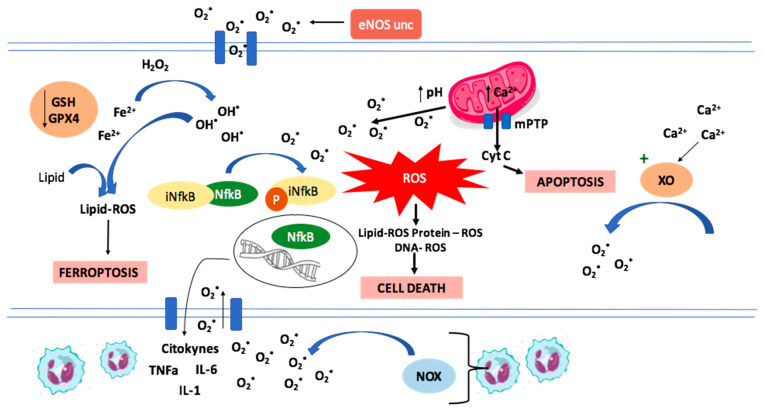
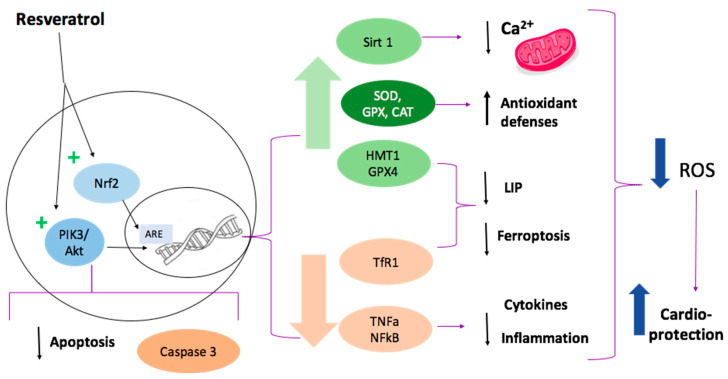
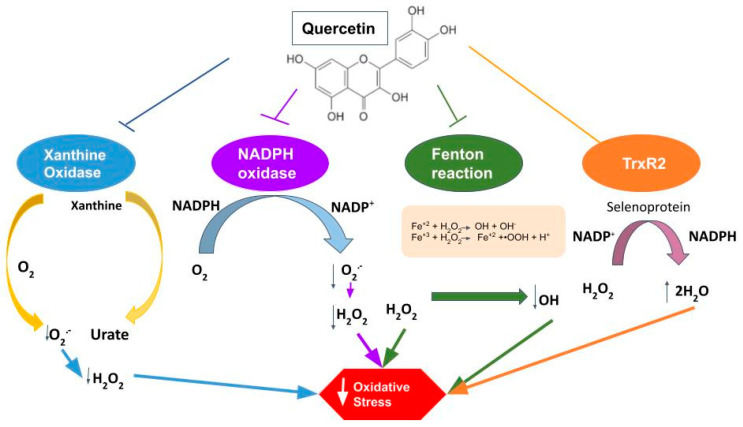
Ischemia-reperfusion myocardial damage is a paradoxical tissue injury occurring during percutaneous coronary intervention (PCI) in acute myocardial infarction (AMI) patients. Although this damage could account for up to 50% of the final infarct size, there has been no available pharmacological treatment until now. Oxidative stress contributes to the underlying production mechanism, exerting the most marked injury during the early onset of reperfusion. So far, antioxidants have been shown to protect the AMI patients undergoing PCI to mitigate these detrimental effects; however, no clinical trials to date have shown any significant infarct size reduction. Therefore, it is worthwhile to consider multitarget antioxidant therapies targeting multifactorial AMI. Indeed, this clinical setting involves injurious effects derived from oxygen deprivation, intracellular pH changes and increased concentration of cytosolic Ca2+ and reactive oxygen species, among others. Thus, we will review a brief overview of the pathological cascades involved in ischemia-reperfusion injury and the potential therapeutic effects based on preclinical studies involving a combination of antioxidants, with particular reference to resveratrol and quercetin, which could contribute to cardioprotection against ischemia-reperfusion injury in myocardial tissue. We will also highlight the upcoming perspectives of these antioxidants for designing future studies.
Keywords: antioxidants; cardioprotection; oxidative stress; quercetin; reperfusion injury; resveratrol.
Conflict of interest statement
The authors declare no conflict of interest.
Figures


References
-
- World Health Organization Cardiovascular Diseases. 2019. [(accessed on 10 November 2021)]. Available online: https://www.who.int/health-topics/cardiovascular-diseases#tab=tab_1.
-
- Khan M.A., Hashim M.J., Mustafa H., Baniyas M.Y., Al Suwaidi S.K.B.M., Alkatheeri R., Alblooshi F.M.K., Almatrooshi M.E.A.H., Alzaabi M.E.H., Al Darmaki R.S., et al. Global Epidemiology of Ischemic Heart Disease: Results from the Global Burden of Disease Study. Cureus. 2020;12:e9349. doi: 10.7759/cureus.9349. - DOI - PMC - PubMed
-
- Massalha S., Luria L., Kerner A., Roguin A., Abergel E., Hammerman H., Boulos M., Dragu R., Kapeliovich M.R., Beyar R., et al. Heart failure in patients with diabetes undergoing primary percutaneous coronary intervention. Eur. Heart J. Acute Cardiovasc. Care. 2016;5:455–462. doi: 10.1177/2048872615598632. - DOI - PubMed
Publication types
MeSH terms
Substances
Grants and funding
LinkOut - more resources
Full Text Sources
Medical
Miscellaneous
