


Reduced Incidence of Necrotizing Enterocolitis due to the Anti-Inflammatory Effects of CXCL14 in Intestinal Tissue
- PMID: 35463668
- PMCID: PMC9023168
- DOI: 10.1155/2022/1322172
Reduced Incidence of Necrotizing Enterocolitis due to the Anti-Inflammatory Effects of CXCL14 in Intestinal Tissue
Retraction in
-
Retracted: Reduced Incidence of Necrotizing Enterocolitis due to the Anti-Inflammatory Effects of CXCL14 in Intestinal Tissue.J Healthc Eng. 2023 Oct 4;2023:9824205. doi: 10.1155/2023/9824205. eCollection 2023. J Healthc Eng. 2023. PMID: 37829427 Free PMC article.
Abstract
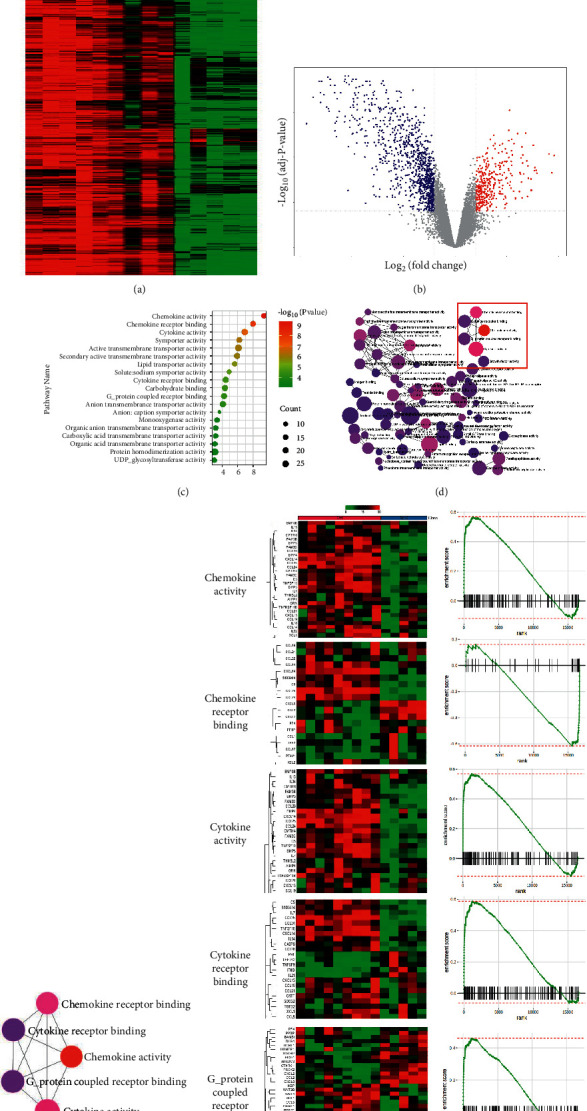
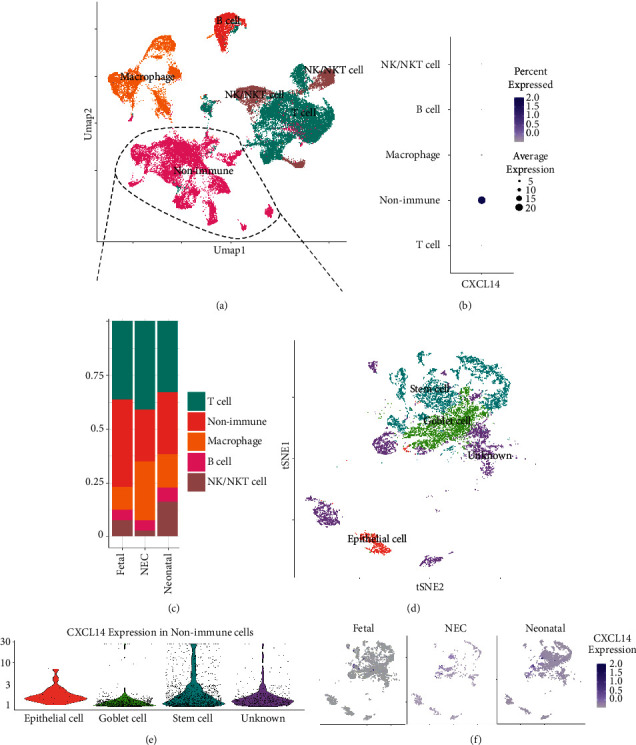
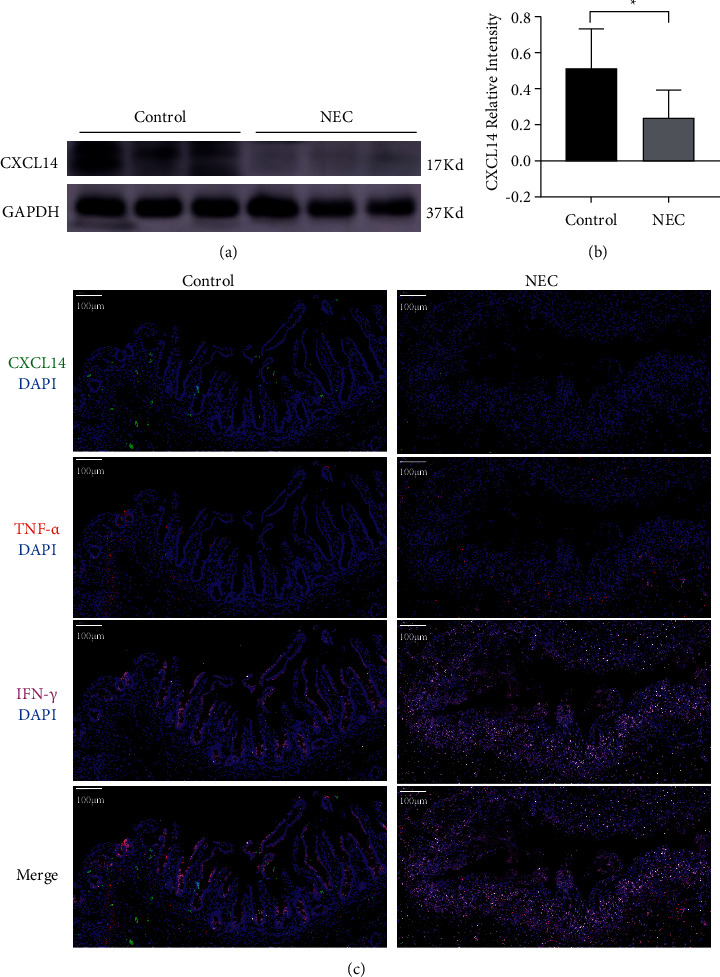
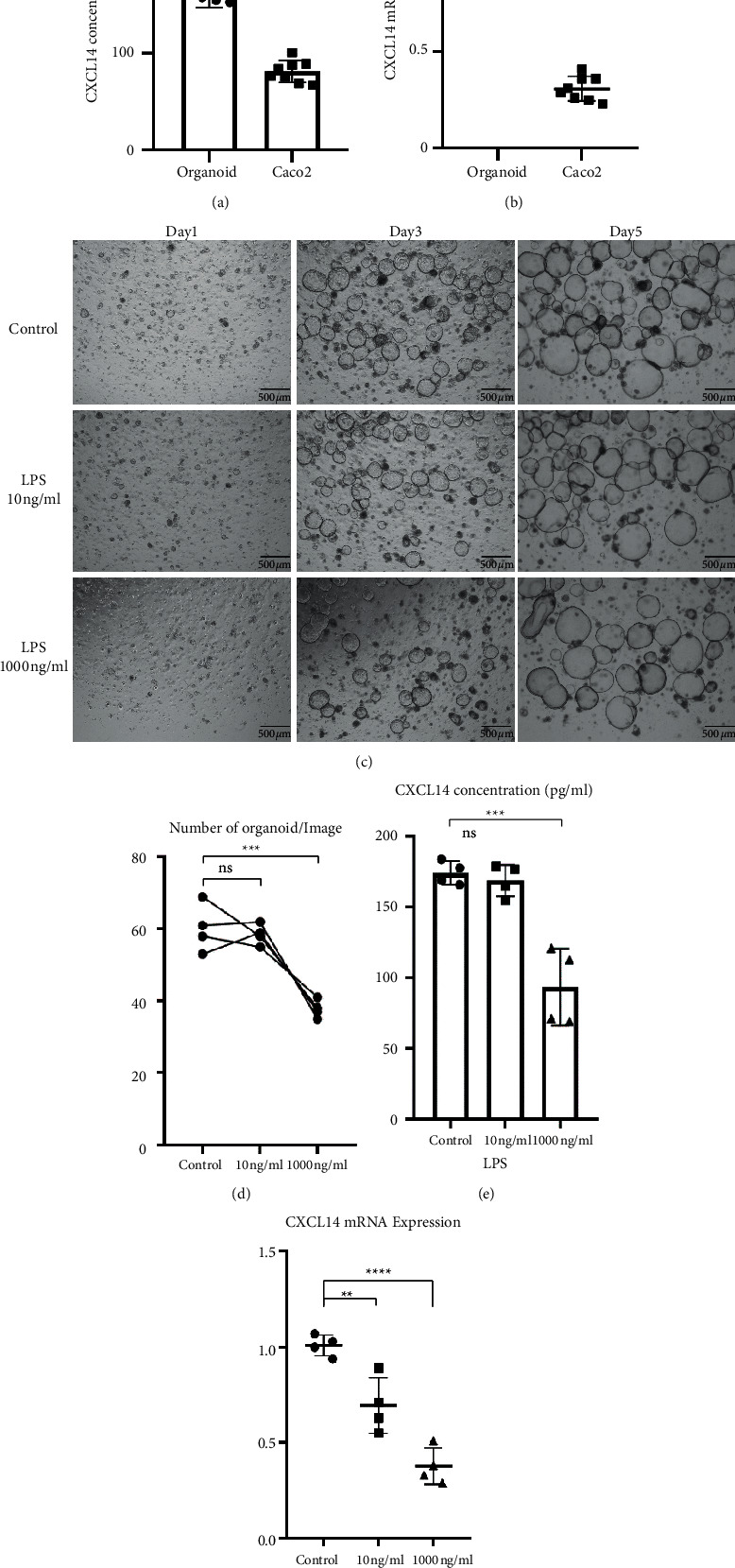
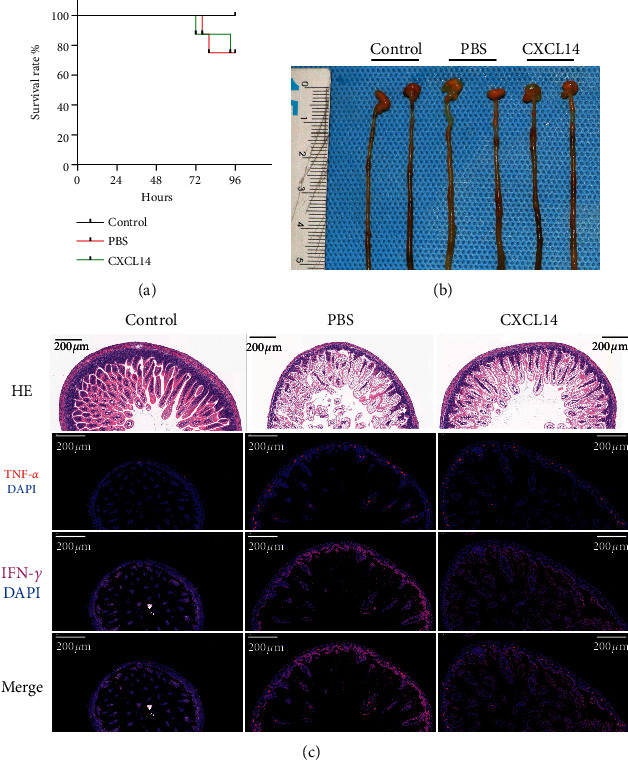
Bioinformatic analysis indicated that downregulated CXCL14 will occur in the intestinal tissue of patients with necrotizing enterocolitis (NEC). To reveal the relationship between CXCL14 and mucosal immune regulation, we designed and implemented the experiments to explore the potential function of CXCL14 in the pathogenesis of NEC. Firstly, this study confirmed that the expression of CXCL14 decreased in the intestinal tract of NEC children. Secondly, the experiments results showed that CXCL14 could ameliorate the inflammatory injury of intestinal tissue through the suppressive effect on the expression of TNF-α and INF-γ in vivo. Finally, we explained that activation of the TLR4 can reduce the expression level of CXCL14 in the intestinal tissue of mouse pups. Collectively, our study suggested that CXCL14 may negatively regulate the inflammatory response in intestinal tissue and play an essential role in NEC development and progression.
Copyright © 2022 Xu Sun et al.
Conflict of interest statement
The authors declare that there are no conflicts of interest.
Figures
References
Publication types
MeSH terms
Substances
LinkOut - more resources
Full Text Sources
