


Vascular Protective Effect and Its Possible Mechanism of Action on Selected Active Phytocompounds: A Review
- PMID: 35469164
- PMCID: PMC9034927
- DOI: 10.1155/2022/3311228
Vascular Protective Effect and Its Possible Mechanism of Action on Selected Active Phytocompounds: A Review
Abstract
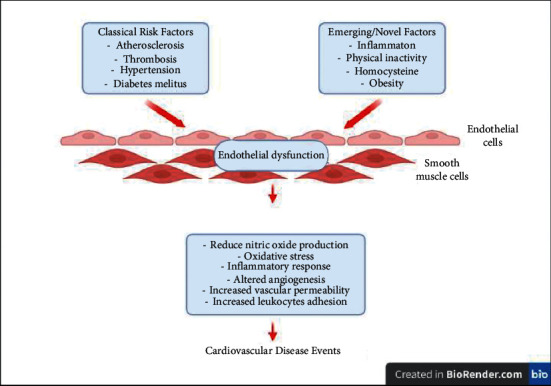
Vascular endothelial dysfunction is characterized by an imbalance of vasodilation and vasoconstriction, deficiency of nitric oxide (NO) bioavailability and elevated reactive oxygen species (ROS), and proinflammatory factors. This dysfunction is a key to the early pathological development of major cardiovascular diseases including hypertension, atherosclerosis, and diabetes. Therefore, modulation of the vascular endothelium is considered an important therapeutic strategy to maintain the health of the cardiovascular system. Epidemiological studies have shown that regular consumption of medicinal plants, fruits, and vegetables promotes vascular health, lowering the risk of cardiovascular diseases. This is mainly attributed to the phytochemical compounds contained in these resources. Various databases, including Google Scholar, MEDLINE, PubMed, and the Directory of Open Access Journals, were searched to identify studies demonstrating the vascular protective effects of phytochemical compounds. The literature had revealed abundant data on phytochemical compounds protecting and improving the vascular system. Of the numerous compounds reported, curcumin, resveratrol, cyanidin-3-glucoside, berberine, epigallocatechin-3-gallate, and quercetin are discussed in this review to provide recent information on their vascular protective mechanisms in vivo and in vitro. Phytochemical compounds are promising therapeutic agents for vascular dysfunction due to their antioxidative mechanisms. However, future human studies will be necessary to confirm the clinical effects of these vascular protective mechanisms.
Copyright © 2022 Nur Aqilah Kamaruddin et al.
Conflict of interest statement
The authors declare that there are no conflicts of interest.
Figures
References
-
- Kay C. D., Hooper L., Kroon P. A., Rimm E. B., Cassidy A. Relative impact of flavonoid composition, dose and structure on vascular function: a systematic review of randomised controlled trials of flavonoid-rich food products. Molecular Nutrition & Food Research . 2012;56(11):1605–1616. doi: 10.1002/mnfr.201200363. - DOI - PubMed
-
- Zhang D., Du M., Wei Y., Wang C., Shen L. A review on the structure–activity relationship of dietary flavonoids for protecting vascular endothelial function: current understanding and future issues. Journal of Food Biochemistry . 2018;42(5):1–14. doi: 10.1111/jfbc.12557. - DOI
-
- The Top 10 Causes of Death,” the Top 10 Causes of Death . 2020. https://www.who.int/news-room/fact-sheets/detail/the-top-10-causes-of-death .
Publication types
LinkOut - more resources
Full Text Sources
