


Nutrition programmes for individuals living with disadvantage in supported residential settings: a scoping review
- PMID: 35470791
- PMCID: PMC9991776
- DOI: 10.1017/S1368980022000969
Nutrition programmes for individuals living with disadvantage in supported residential settings: a scoping review
Abstract
Objective: Health inequities such as chronic disease are significantly higher among individuals living with disadvantage compared with the general population and many are reported to be attributable to preventable dietary risk factors. This study provides an overview of the current nutrition interventions for individuals living with extreme disadvantage, in supported residential settings, to develop insights into the development and implementation of policies and practices to promote long-term nutritional health and well-being.
Design: A scoping review searched Scopus, ProQuest, CINAHL Plus, MEDLINE, and Web of Science databases using the terms 'resident', 'nutrition', 'disadvantage', 'intervention' and their synonyms, with particular emphasis on interventions in residential settings.
Setting: Residential services providing nutrition provision and support.
Participants: People experiencing extreme disadvantage.
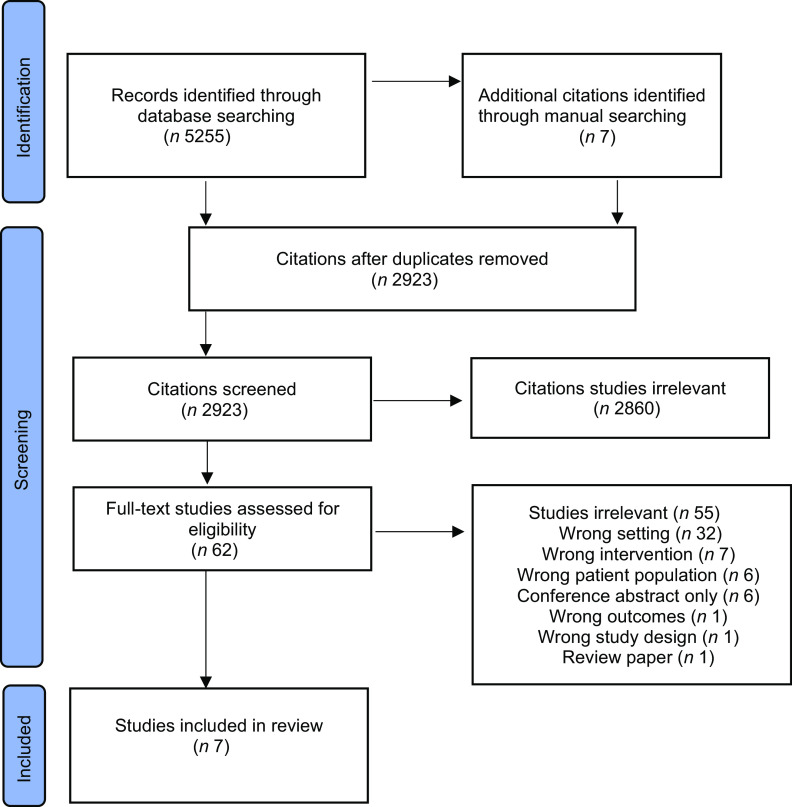
Results: From 5262 articles, seven were included in final synthesis. Most interventions focused on building food literacy knowledge and skills. Study designs and outcome measures varied; however, all reported descriptive improvements in behaviour and motivation. In addition to food literacy, it was suggested that interventions need to address behaviour and motivations, programme sustainability, long-term social, physical and economic barriers and provide support for participants during transition into independent living. Socio-economic issues remain key barriers to long-term health and well-being.
Conclusions: In addition to food literacy education, future research and interventions should consider utilising an academic-community partnership, addressing nutrition-related mental health challenges, motivation and behaviour change and a phased approach to improve support for individuals transitioning into independent living.
Keywords: Disadvantage; Homeless shelter; Intervention; Nutrition education.
Figures
References
-
- Baciu A, Negussie Y, Geller A et al. (2017) Communities in Action: Pathways to Health Equity. Washington, DC: National Academies Press (US). - PubMed
-
- Lewis VA, Larson BK, McClurg AB et al. (2012) The promise and peril of accountable care for vulnerable populations: a framework for overcoming obstacles. Health Aff 31, 1777–1785. - PubMed
-
- Chamberlain C & MacKenzie D (2014) Definition and counting: where to now. In Homelessness in Australia: An Introduction, pp. 71–99 [Chamberlain C, Johnson G and Robinson C, editors]. Australia: NewSouth Publishing.
Publication types
MeSH terms
LinkOut - more resources
Full Text Sources
