Health and development from preconception to 20 years of age and human capital
- PMID: 35489357
- PMCID: PMC9061873
- DOI: 10.1016/S0140-6736(21)02533-2
Health and development from preconception to 20 years of age and human capital
Abstract
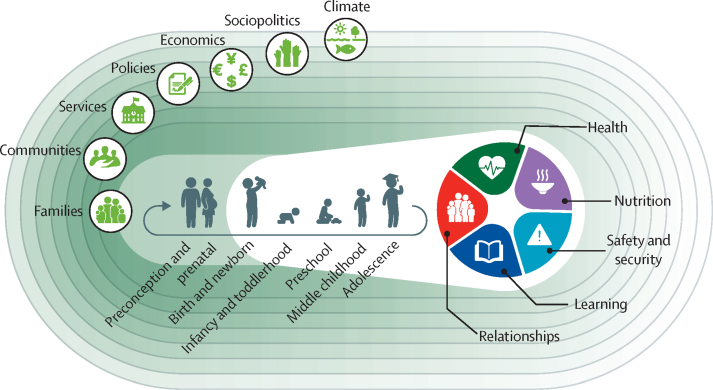
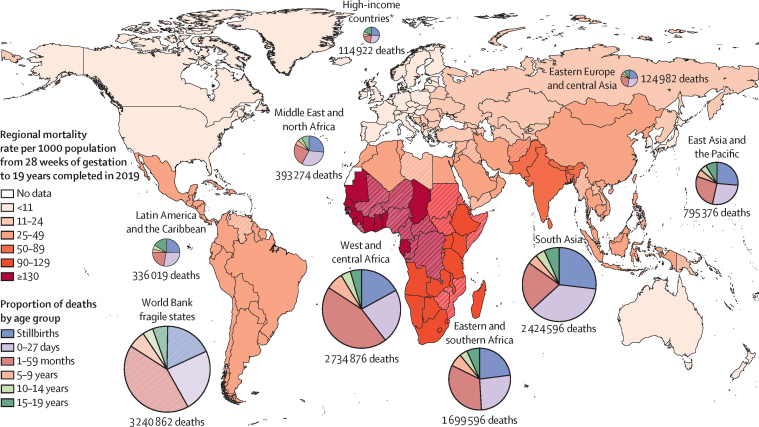
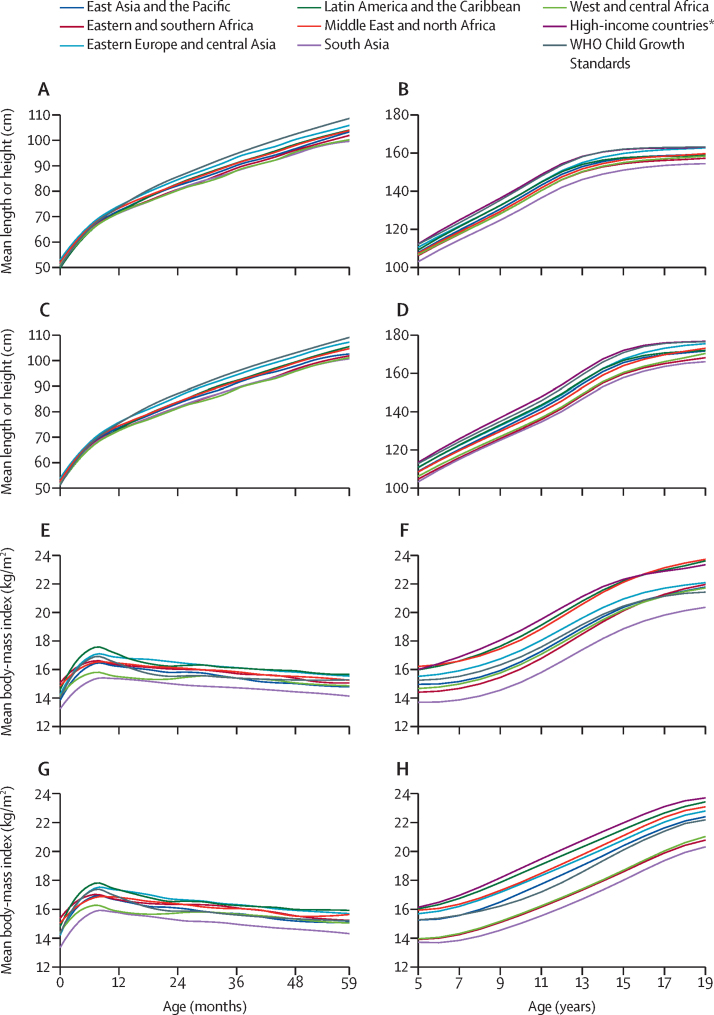
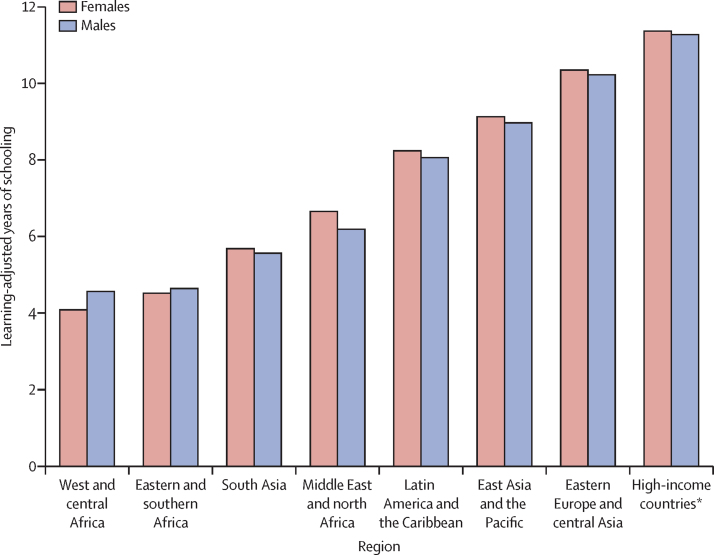
Optimal health and development from preconception to adulthood are crucial for human flourishing and the formation of human capital. The Nurturing Care Framework, as adapted to age 20 years, conceptualises the major influences during periods of development from preconception, through pregnancy, childhood, and adolescence that affect human capital. In addition to mortality in children younger than 5 years, stillbirths and deaths in 5-19-year-olds are important to consider. The global rate of mortality in individuals younger than 20 years has declined substantially since 2000, yet in 2019 an estimated 8·6 million deaths occurred between 28 weeks of gestation and 20 years of age, with more than half of deaths, including stillbirths, occurring before 28 days of age. The 1000 days from conception to 2 years of age are especially influential for human capital. The prevalence of low birthweight is high in sub-Saharan Africa and even higher in south Asia. Growth faltering, especially from birth to 2 years, occurs in most world regions, whereas overweight increases in many regions from the preprimary school period through adolescence. Analyses of cohort data show that growth trajectories in early years of life are strong determinants of nutritional outcomes in adulthood. The accrual of knowledge and skills is affected by health, nutrition, and home resources in early childhood and by educational opportunities in older children and adolescents. Linear growth in the first 2 years of life better predicts intelligence quotients in adults than increases in height in older children and adolescents. Learning-adjusted years of schooling range from about 4 years in sub-Saharan Africa to about 11 years in high-income countries. Human capital depends on children and adolescents surviving, thriving, and learning until adulthood.
Copyright © 2022 Elsevier Ltd. All rights reserved.
Conflict of interest statement
Declaration of interests REB serves on the Board of Directors of Vitamin Angels, a non-profit charitable organisation supporting maternal and child nutrition services in low-income and middle-income countries. ME reports a grant from AstraZeneca for the Young Health Programme, and personal fees from Prudential, outside the submitted work. REB, FV, LH, LL, ADS, DYo, and DYe report grants from the Bill & Melinda Gates Foundation. LH and DYo report grants from USAID, outside the submitted work.
Figures
Comment in
-
A healthy future for children and adolescents.Lancet. 2022 Oct 1;400(10358):1099. doi: 10.1016/S0140-6736(22)01599-9. Lancet. 2022. PMID: 36183721 No abstract available.
References
-
- Gatti RV, Kraay AC, Avitabile C, Collin ME, Dsouza R, Dehnen NAP. World Bank; Washington, DC: 2018. The Human Capital Project (English)
-
- Clark H, Coll-Seck AM, Banerjee A, et al. A future for the world's children? A WHO-UNICEF-Lancet Commission. Lancet. 2020;395:605–658. - PubMed
-
- Kim JY. The human capital gap: getting governments to invest in people. Foreign Aff. 2018;97:92.
-
- UN General Assembly Transforming our world: the 2030 Agenda for Sustainable Development. 2015. https://sustainabledevelopment.un.org/post2015/transformingourworld
-
- UN Millennium Development Goals Report. 2015. https://www.un.org/millenniumgoals/2015_MDG_Report/pdf/MDG%202015%20rev%...
Publication types
MeSH terms
Grants and funding
LinkOut - more resources
Full Text Sources
Medical