


Social Determinants and Indicators of COVID-19 Among Marginalized Communities: A Scientific Review and Call to Action for Pandemic Response and Recovery
- PMID: 35492024
- PMCID: PMC9237492
- DOI: 10.1017/dmp.2022.104
Social Determinants and Indicators of COVID-19 Among Marginalized Communities: A Scientific Review and Call to Action for Pandemic Response and Recovery
Abstract
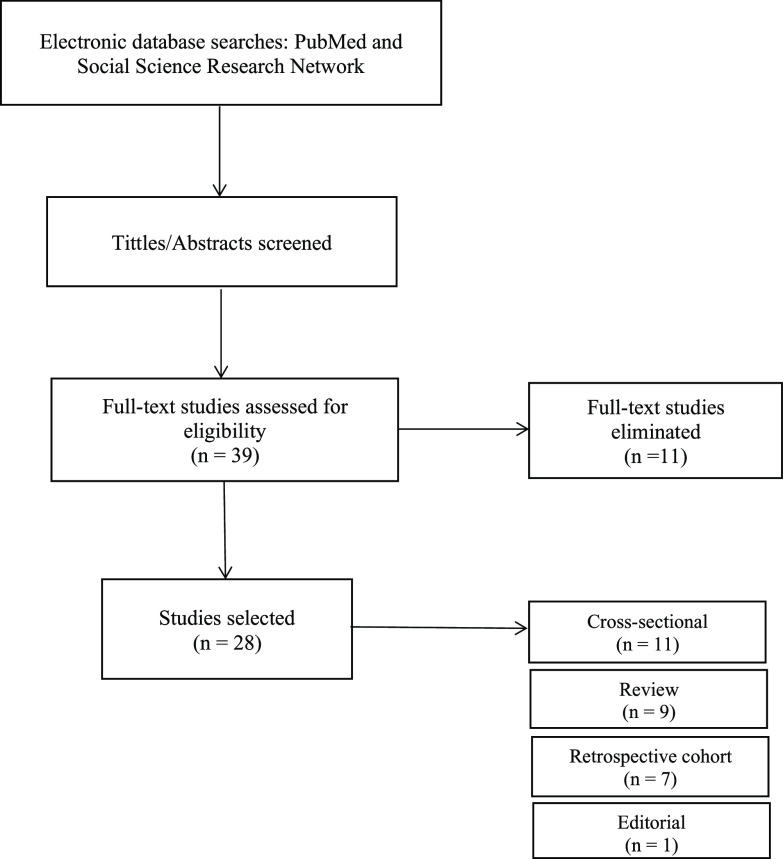
Coronavirus disease 2019 (COVID-19) has placed massive socio-psychological, health, and economic burdens including deaths on countless lives; however, it has disproportionally impacted certain populations. Co-occurring Social Determinants of Health (SDoH) disparities and other underlying determinants have exacerbated the COVID-19 pandemic. This literature review sought to (1) examine literature focused on SDoH and COVID-19 outcomes ie, infectivity, hospitalization, and death rates among marginalized communities; and (2) identify SDoH disparities associated with COVID-19 outcomes. We searched electronic databases for studies published from October 2019 to October 2021. Studies that were selected were those intersecting SDoH indicators and COVID-19 outcomes and were conducted in the United States. Our review underscored the disproportionate vulnerabilities and adverse outcomes from COVID-19 that have impacted racial/ethnic minority communities and other disadvantaged groups (ie, senior citizens, and displaced/homeless individuals). COVID-19 outcomes were associated with SDoH indicators, ie, race/ethnicity, poverty, median income level, housing density, housing insecurity, health-care access, occupation, transportation/commuting patterns, education, air quality, food insecurity, old age, etc. Our review concluded with recommendations and a call to action to integrate SDoH indicators along with relevant health data when implementing intelligent solutions and intervention strategies to pandemic response/recovery among vulnerable populations.
Keywords: COVID-19; SARS-CoV-2; ethnic minorities; health disparities; health intelligence; pandemic preparedness; social determinants of health.
References
-
- World Health Organization. WHO covid-19 case definition. Accessed February 27, 2022. https://www.who.int/publications/i/item/WHO-2019-nCoV-Surveillance_Case_....
-
- World Health Organization. WHO coronavirus (COVID-19) dashboard. Accessed February 27, 2022. https://covid19.who.int/
-
- IHME. Covid-19 projections. Institute for Health Metrics and Evaluation. Accessed February 27, 2022. https://covid19.healthdata.org/united-states-of-america.
-
- Smith MW. What are the complications of coronavirus (COVID-19)? WebMD. Published August 9, 2021. Accessed February 25, 2021. https://www.webmd.com/lung/coronavirus-complications#1.
Publication types
MeSH terms
LinkOut - more resources
Full Text Sources
Medical
Miscellaneous
