


Transcriptome and metabolome changes induced by bitter melon (Momordica charantia)- intake in a high-fat diet induced obesity model
- PMID: 35493312
- PMCID: PMC9039170
- DOI: 10.1016/j.jtcme.2021.08.011
Transcriptome and metabolome changes induced by bitter melon (Momordica charantia)- intake in a high-fat diet induced obesity model
Abstract
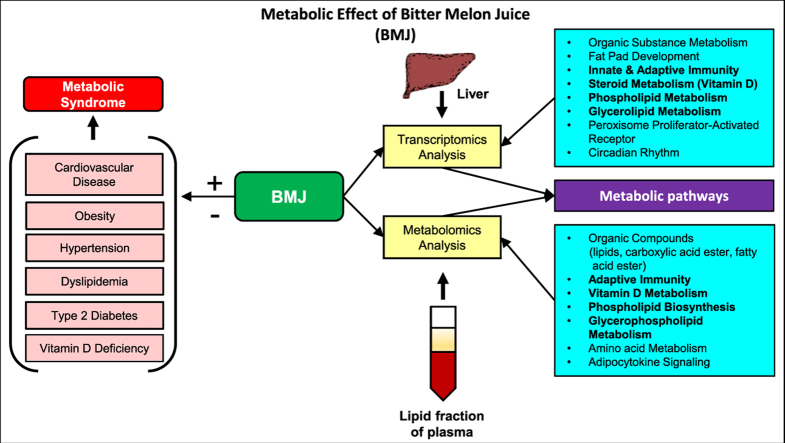
Background and aim: Metabolic syndrome (MetS) is a complex disease of physiological imbalances interrelated to abnormal metabolic conditions, such as abdominal obesity, type II diabetes, dyslipidemia and hypertension. In the present pilot study, we investigated the nutraceutical bitter melon (Momordica charantia L) -intake induced transcriptome and metabolome changes and the converging metabolic signaling networks underpinning its inhibitory effects against MetS-associated risk factors.
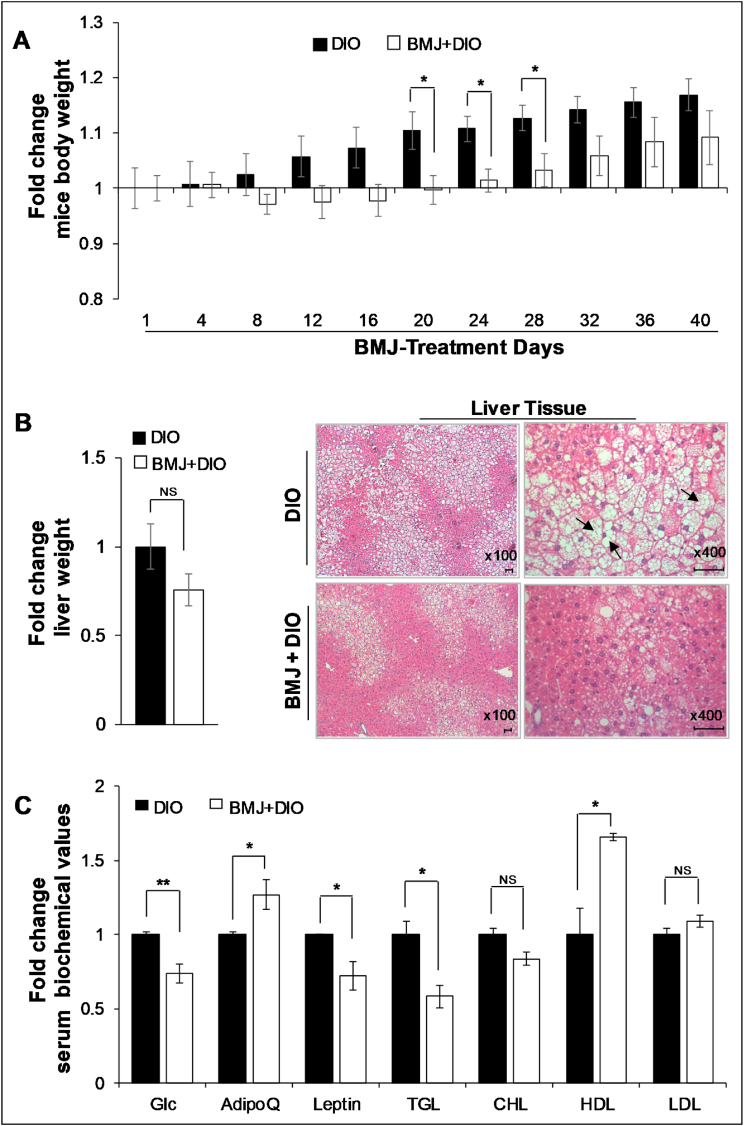
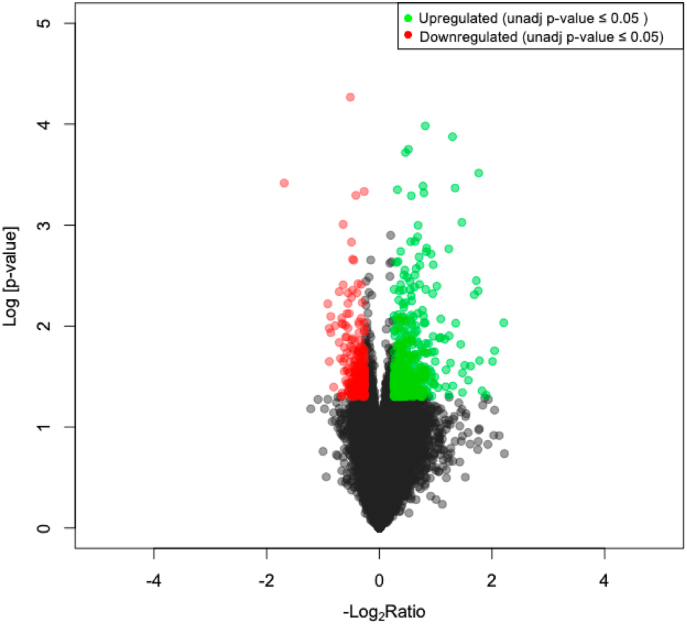
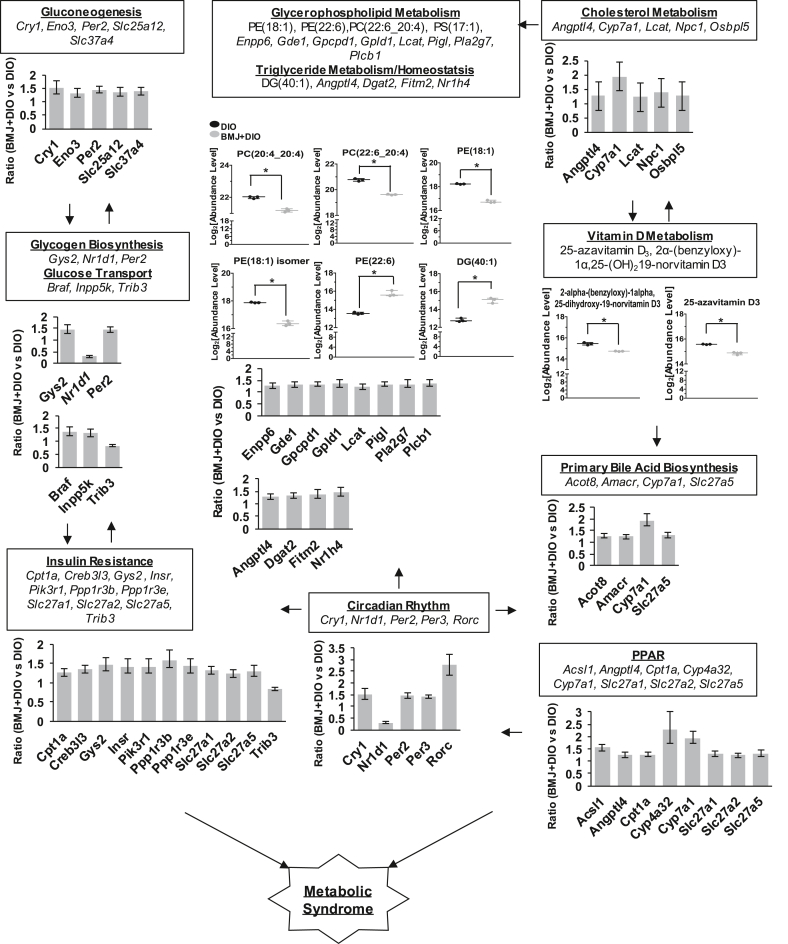
Experimental procedure: Metabolic effects of lyophilized bitter melon juice (BMJ) extract (oral gavage 200 mg/kg/body weight-daily for 40 days) intake were evaluated in diet-induced obese C57BL/6J male mice [fed-high fat diet (HFD), 60 kcal% fat]. Changes in a) serum levels of biochemical parameters, b) gene expression in the hepatic transcriptome (microarray analysis using Affymetrix Mouse Exon 1.0 ST arrays), and c) metabolite abundance levels in lipid-phase plasma [liquid chromatography mass spectrometry (LC-MS)-based metabolomics] after BMJ intervention were assessed.
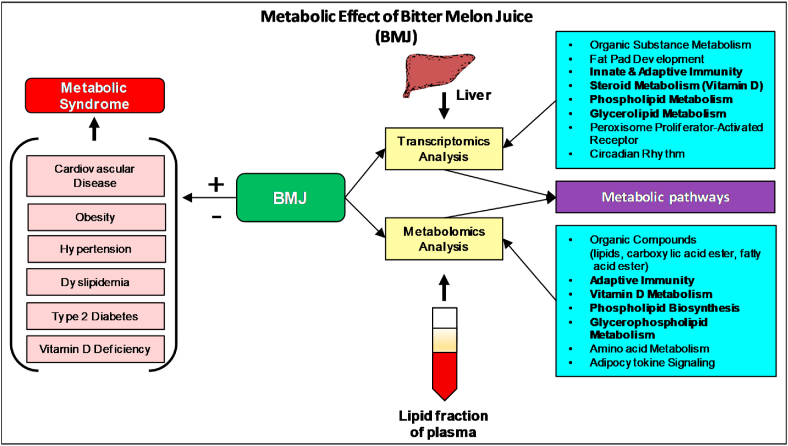
Results and conclusion: BMJ-mediated changes showed a positive trend towards enhanced glucose homeostasis, vitamin D metabolism and suppression of glycerophospholipid metabolism. In the liver, nuclear peroxisome proliferator-activated receptor (PPAR) and circadian rhythm signaling, as well as bile acid biosynthesis and glycogen metabolism targets were modulated by BMJ (p < 0.05). Thus, our in-depth transcriptomics and metabolomics analysis suggests that BMJ-intake lowers susceptibility to the onset of high-fat diet associated MetS risk factors partly through modulation of PPAR signaling and its downstream targets in circadian rhythm processes to prevent excessive lipogenesis, maintain glucose homeostasis and modify immune responses signaling.
Keywords: AMPK, adenosine monophosphate-activated protein kinase; BMJ, bitter melon juice; Bitter melon; DIO, diet-induced obese; Diet intervention; HDL, high density lipoprotein (cholesterol); HFD, high fat diet; HMDB, Human Metabolome Database; High fat diet-induced obesity; KEGG, Kyoto Encyclopedia of Genes and Genomes; LC-MS, liquid-chromatography mass spectrometry; LDL, low density lipoprotein (cholesterol); MetS, Metabolic syndrome; Metabolic syndrome; Momordica charantia; PC, phosphatidylcholine; PE, phosphatidylethanolamine; PPARs, Peroxisome proliferator-activated receptors.
© 2021 Center for Food and Biomolecules, National Taiwan University. Production and hosting by Elsevier Taiwan LLC.
Conflict of interest statement
None.
Figures
References
-
- Ford E.S., Li C., Zhao G. Prevalence and correlates of metabolic syndrome based on a harmonious definition among adults in the US. J Diabetes. 2010;2(3):180–193. - PubMed
-
- National Center for Health Statistics (U.S.). NCHS Data Brief. Hyattsville, MD: National Center for Health Statistics:volumes.
-
- Third report of the national cholesterol education Program (NCEP) expert panel on detection, evaluation, and treatment of high blood cholesterol in adults (adult treatment panel III) final report. Circulation. 2002;106(25):3143–3421. - PubMed
Grants and funding
LinkOut - more resources
Full Text Sources
Molecular Biology Databases