Review
. 2022 Apr 26;12(20):12710-12745.
doi: 10.1039/d2ra01781d. eCollection 2022 Apr 22.

Recent trends in chemistry, structure, and various applications of 1-acyl-3-substituted thioureas: a detailed review

Affiliations
Review

Recent trends in chemistry, structure, and various applications of 1-acyl-3-substituted thioureas: a detailed review

Urage Zahra et al. RSC Adv. .

Abstract

The interest in acyl thioureas has continually been escalating owing to their extensive applications in diverse fields, such as synthetic precursors of new heterocycles, pharmacological and materials science, and technology. These scaffolds exhibit a wide variety of biological activities such as antitumor, enzyme inhibitory, anti-bacterial, anti-fungal, and anti-malarial activities and find utilization as chemosensors, adhesives, flame retardants, thermal stabilizers, antioxidants, polymers and organocatalysts. In addition, the synthesis, and applications of coordination complexes of these ligands have also been overviewed. The current review is a continuation of our previous efforts in this area, focusing on the recent advancements during the period 2017 to present.


Conflict of interest statement

The authors declare no conflict of interest.

Figures
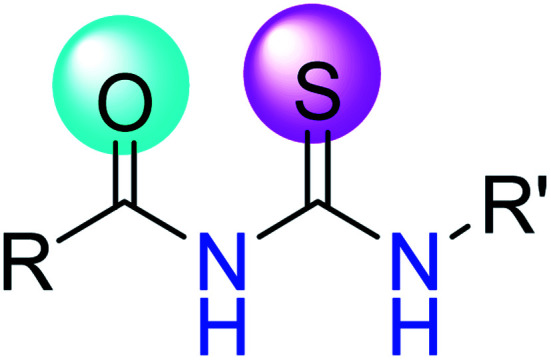
Fig. 1
Fig. 1. General structure of 1-acyl/aroyl thioureas.
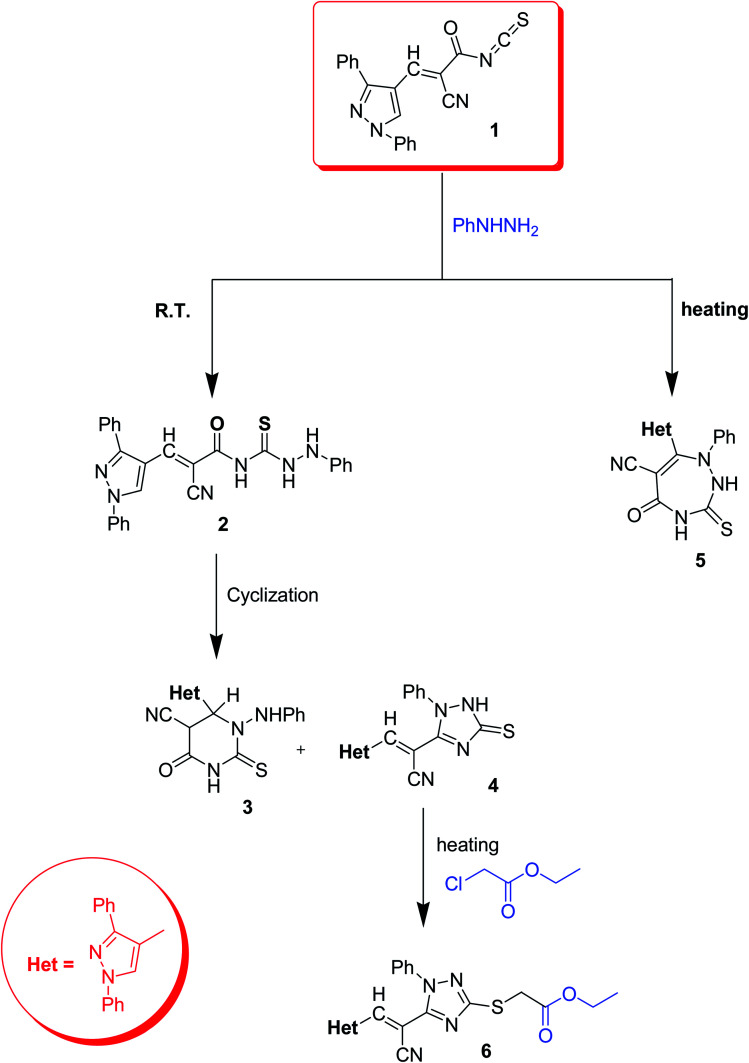
Scheme 1
Scheme 1. Synthesis of compounds 2–6 from intermediate 1.
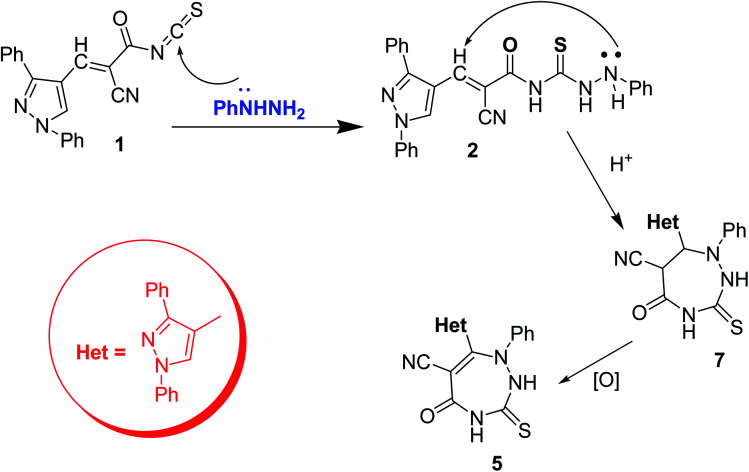
Scheme 2
Scheme 2. Plausible mechanism for formation of compound 5.
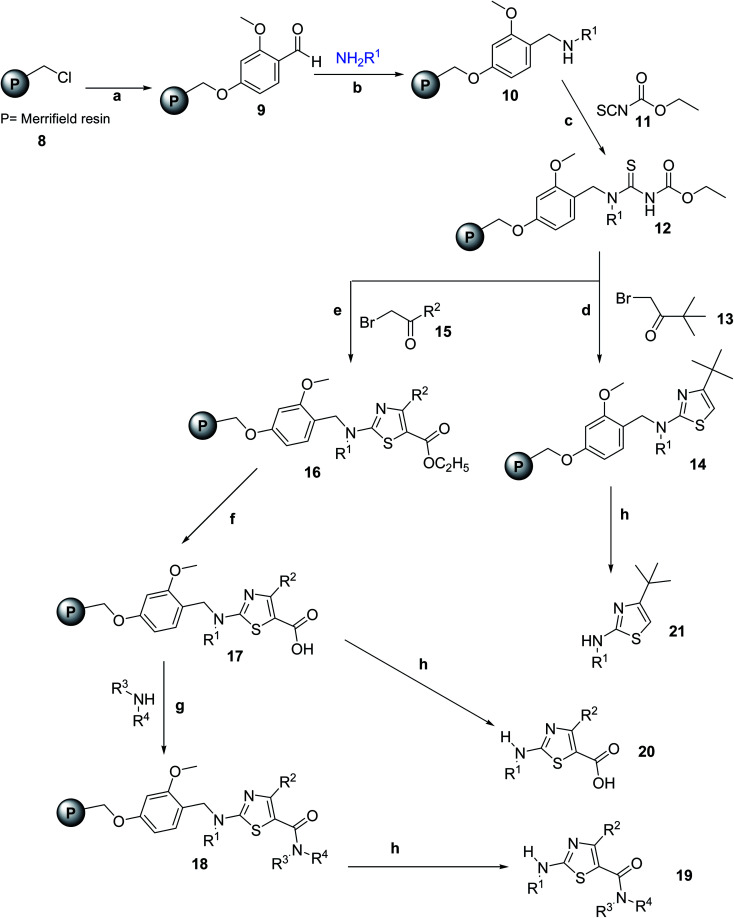
Scheme 3
Scheme 3. Preparation of 2-amino-5-carboxamide thiazole derivatives (19–21) on solid phase: reagents and conditions (a) 4-hydroxy-2-methoxybenzaldehyde, K2CO3, KI, 60 °C, 16 h. (b) NaBH(OAc)3, 1,2-dichloroethane, rt, 1.5 h. (c) DCM, rt, 19 h. (d) DMF, 80 °C, 12 h. (e) TEA, DMF, rt, 2–12 h. (f) 2 M NaOH, DMSO, 60 °C, 72 h (g) EDC HCl, HOBt, DMF, rt, 24 h. (h) TFA/DCM (1 : 2, v/v), rt, 12 h.
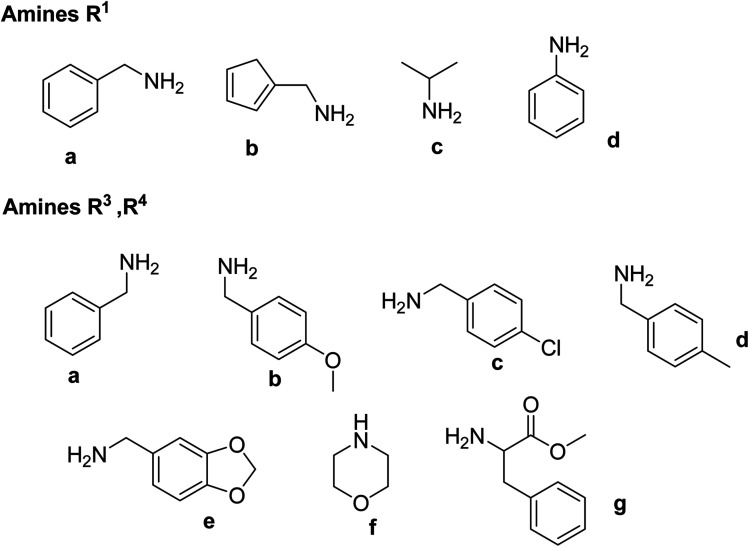
Scheme 4
Scheme 4. Building blocks for synthesis of thiazole derivatives (19–21).
Fig. 2
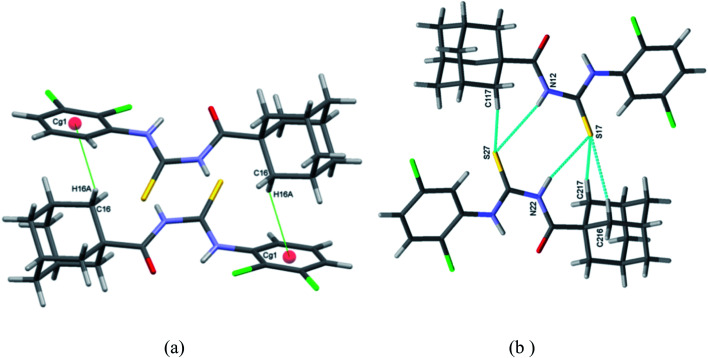
Fig. 2. Intermolecular interactions present in 24 (a) and (b).
Scheme 5
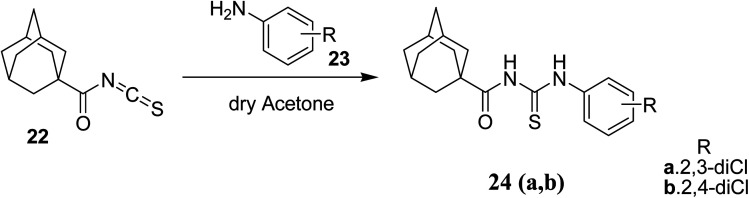
Scheme 5. Synthesis of adamantine thioureas 24 (a, b).
Scheme 6
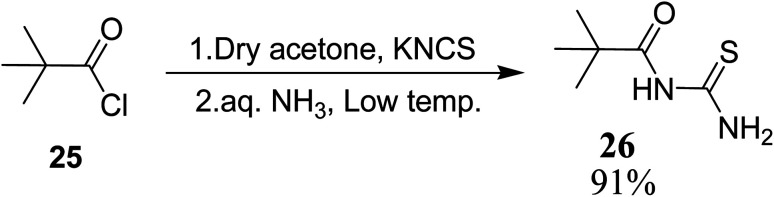
Scheme 6. Synthesis of N-carbamothioylpivalamide 26.
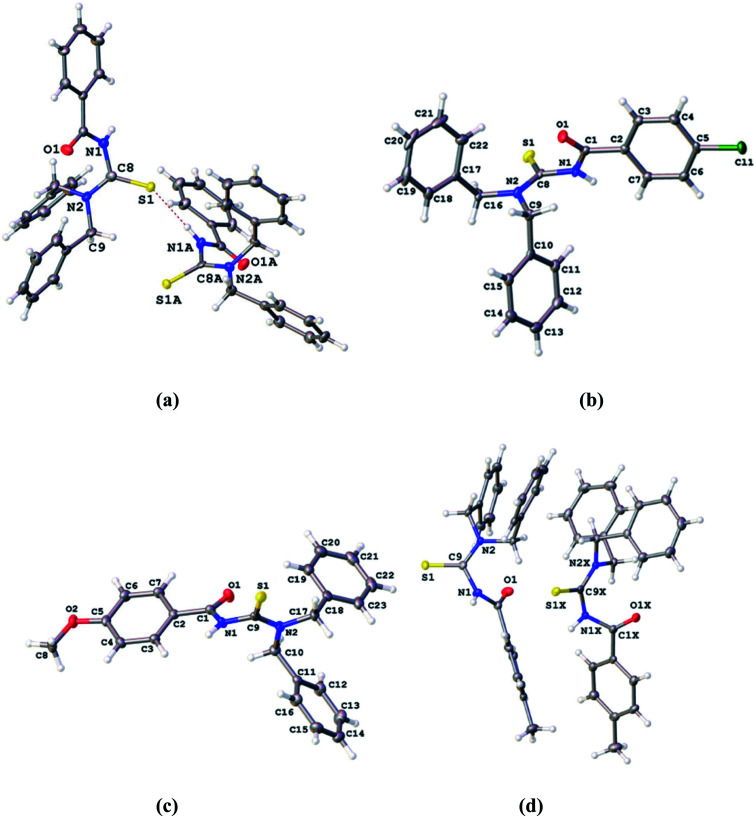
Fig. 3
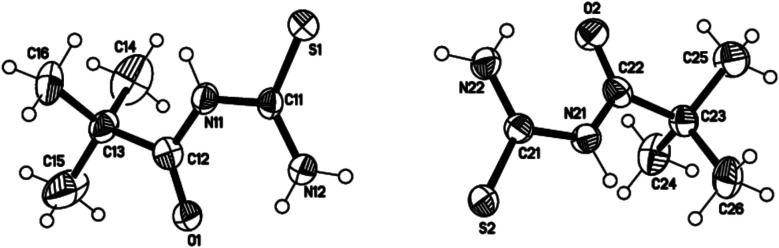
Fig. 3. Molecular structure of compound 26 with anisotropic displacement ellipsoids, molecule 26 with 1X and 2X labeling.
Fig. 4
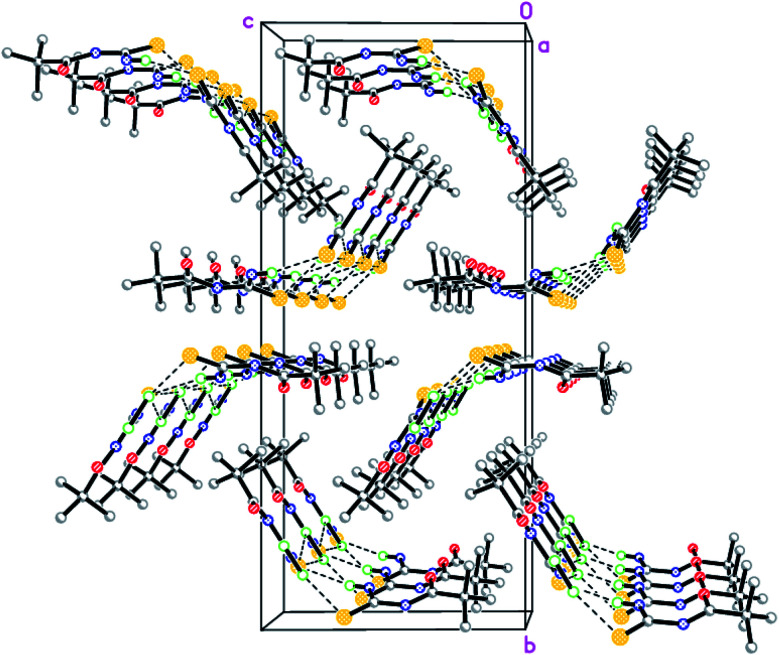
Fig. 4. Crystal packing with intermolecular hydrogen interactions with dotted lines, S, yellow, H, green, N, blue, O, red color.
Fig. 5
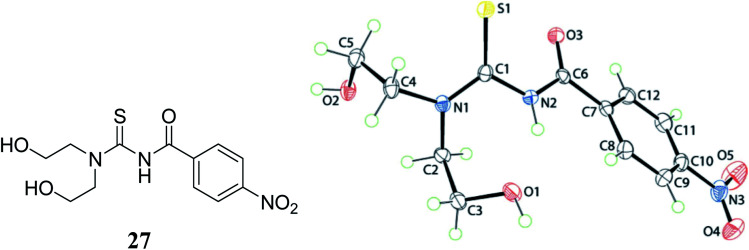
Fig. 5. Molecular structure of 27.
Fig. 6
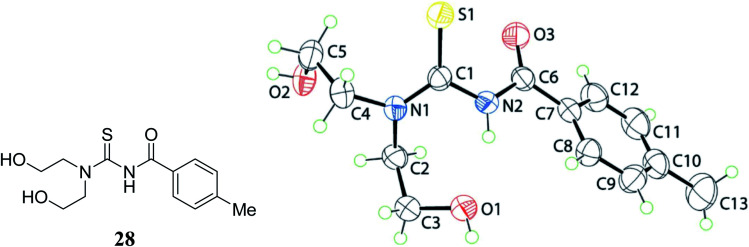
Fig. 6. Molecular structure of 28.
Scheme 7
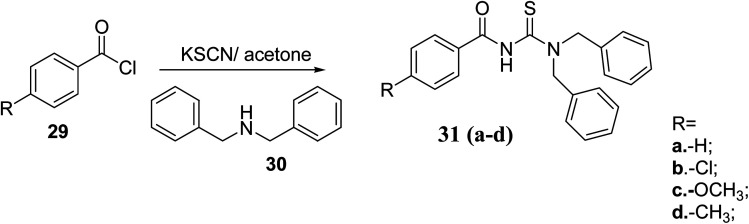
Scheme 7. Synthesis of 31a–d compounds.
Fig. 7
Fig. 7. Molecular structures of compounds 31(a–d).
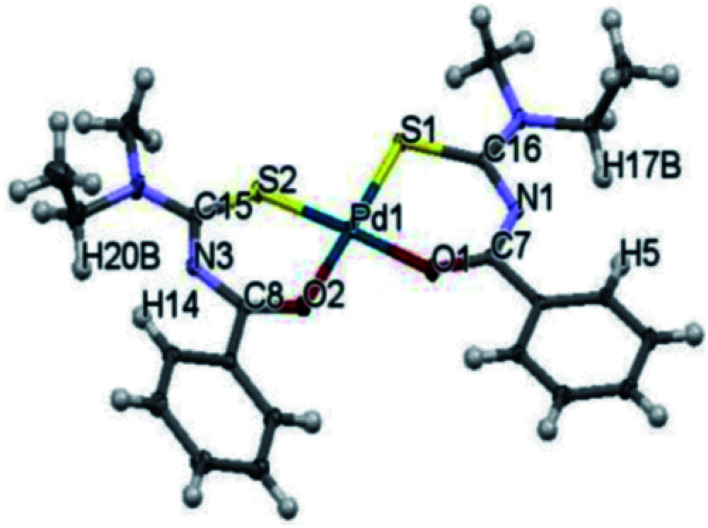
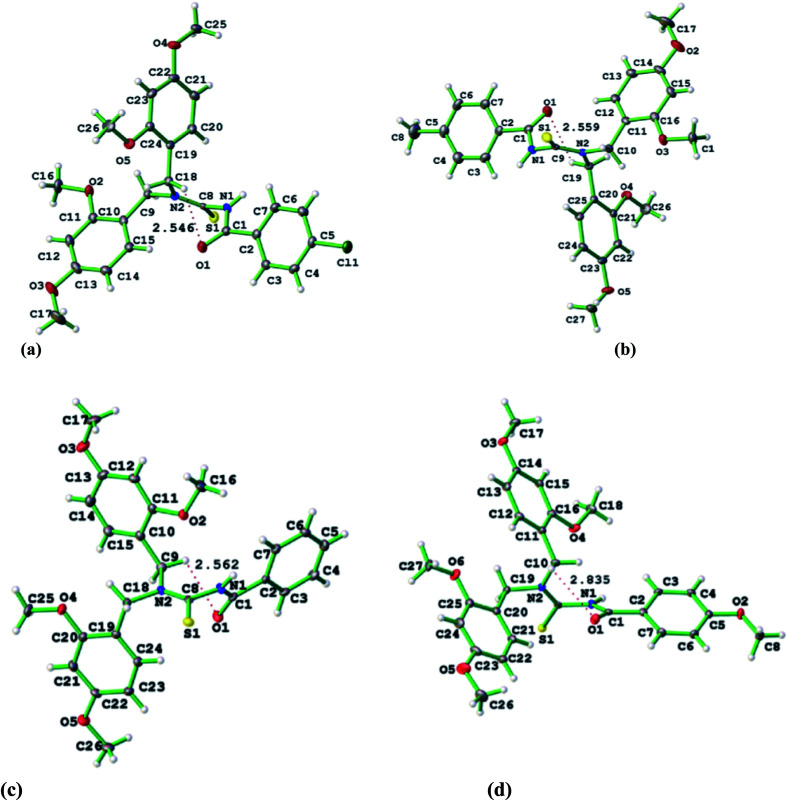
Fig. 8
Fig. 8. Crystal structures of the compounds 33(a–d).
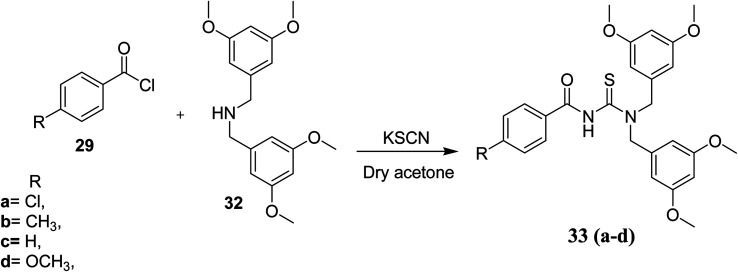
Scheme 8
Scheme 8. Synthesis of compounds 33a–d.
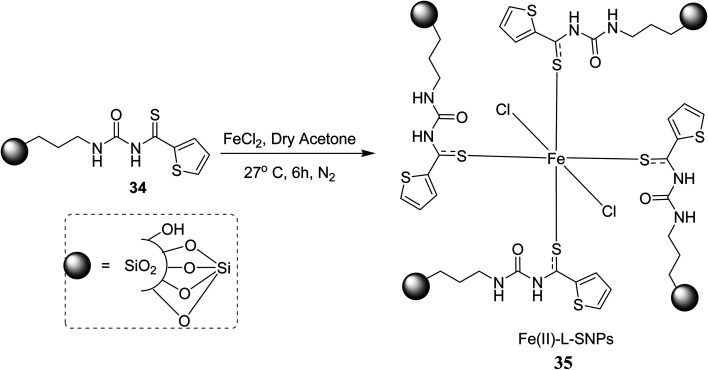
Scheme 9
Scheme 9. Synthesis of Fe(ii)-L-SNPs 35.
Scheme 10
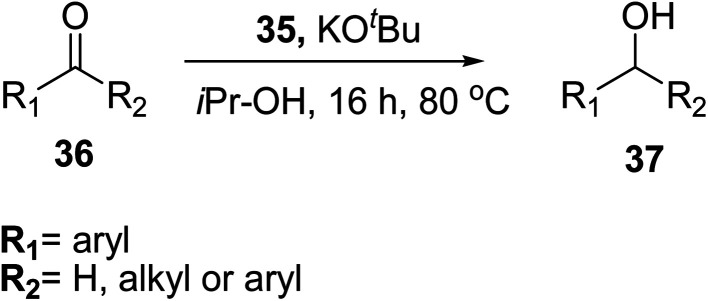
Scheme 10. Transfer hydrogenation of carbonyl compounds 36.
Scheme 11
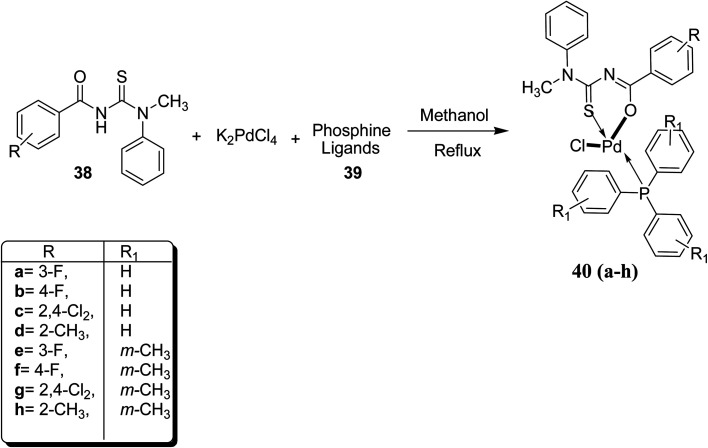
Scheme 11. Synthesis of Pd(ii) complexes of tri-substituted thiourea.
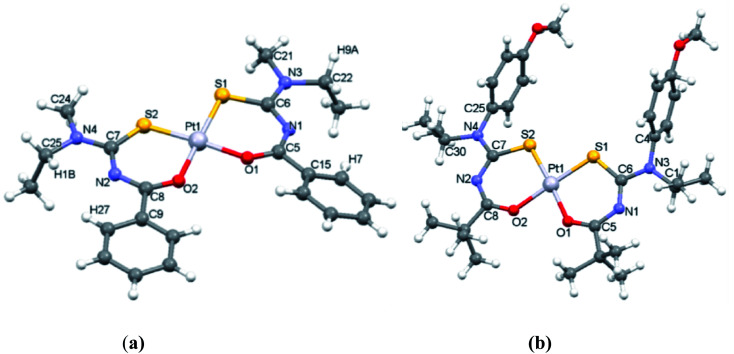
Fig. 9
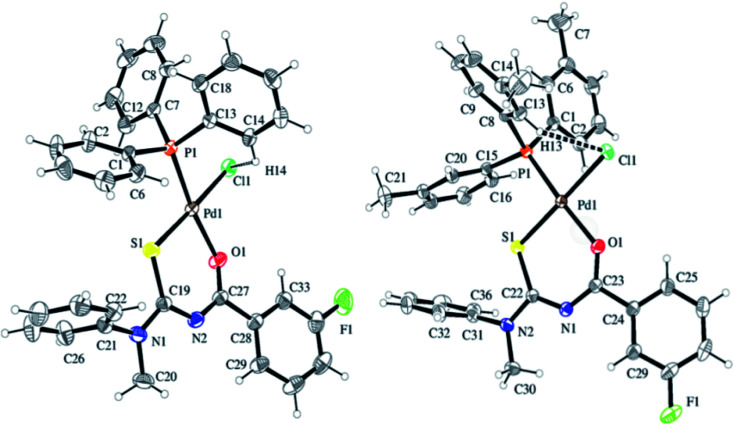
Fig. 9. Molecular structures of 40(a) and 40(e) for 30% probability ellipsoids for non-H atoms.
Scheme 12
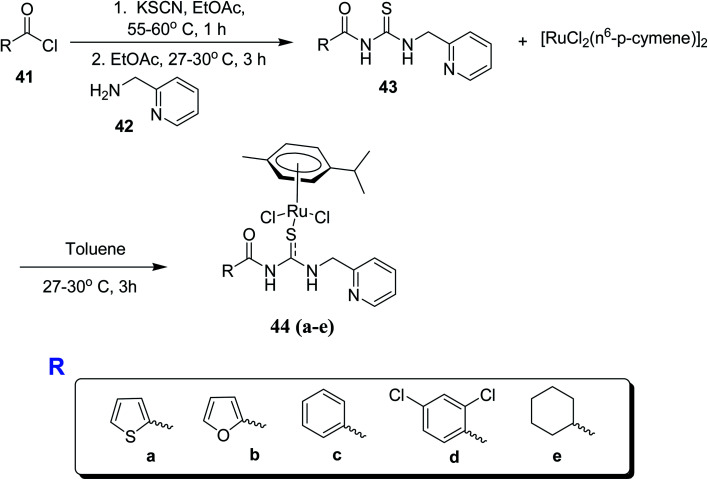
Scheme 12. Synthesis of Ru(ii) complexes with acyl thioureas.
Fig. 10
Fig. 10. Molecular structure of 44a.
Scheme 13
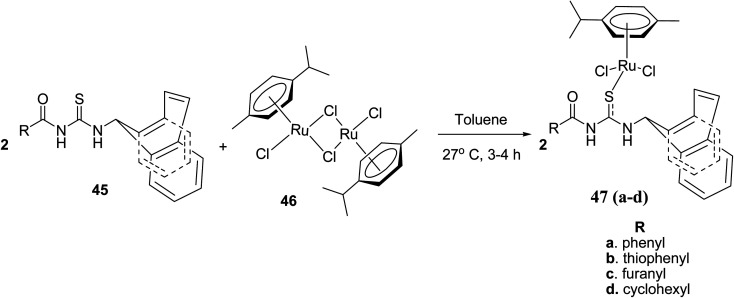
Scheme 13. Synthesis of Ru(II)-p-cymene complexes.
Fig. 11
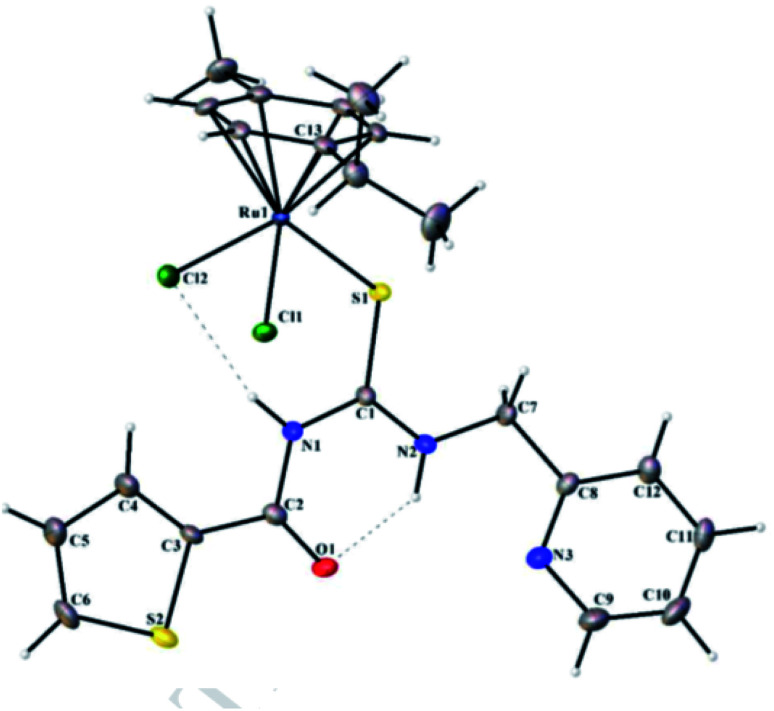
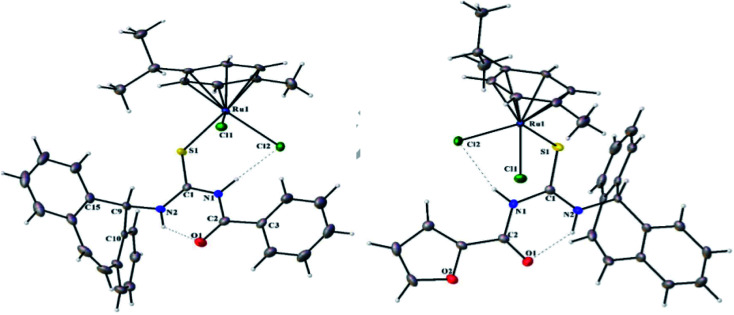
Fig. 11. Molecular structure (50% probability ellipsoids) of 47(a) and 47(c) with atomic labeling scheme.
Scheme 14
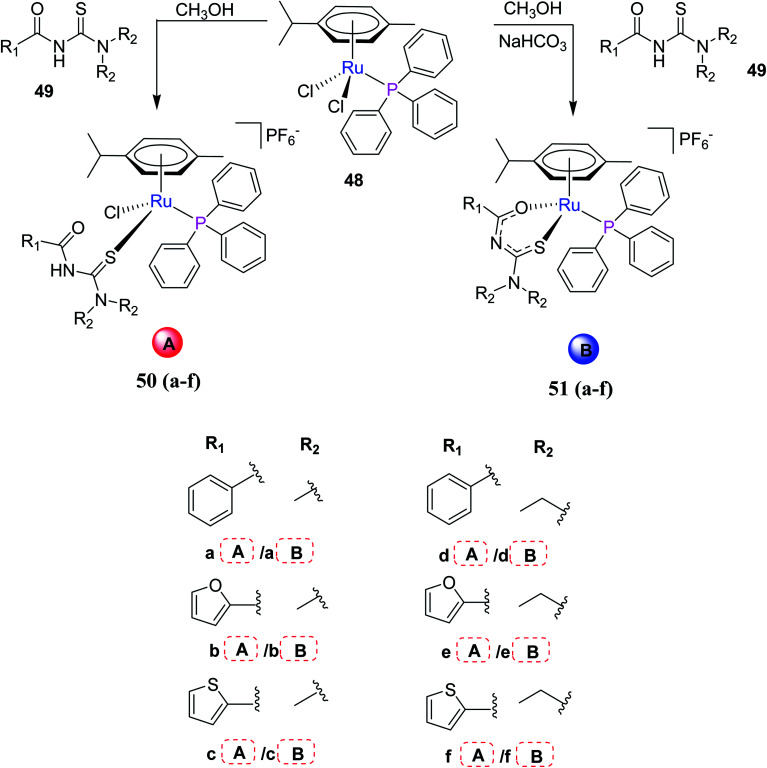
Scheme 14. Synthesis of complexes 50, 51(a–f).
Scheme 15
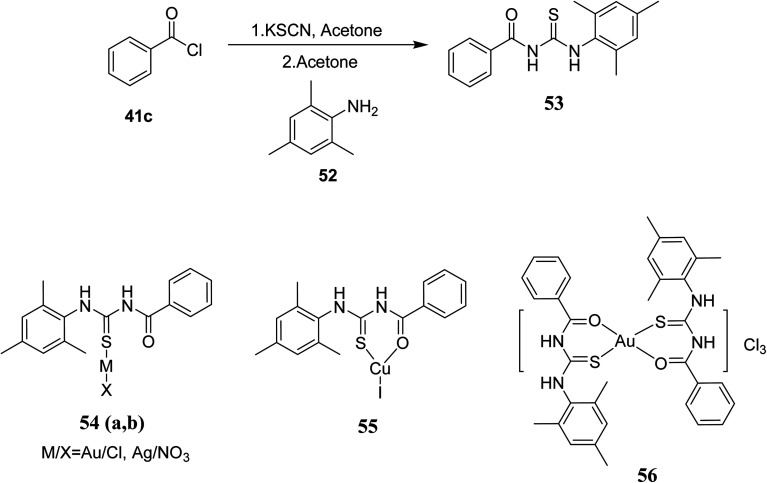
Scheme 15. Synthesis of 53 ligand and its complexes structure 54–56.
Fig. 12
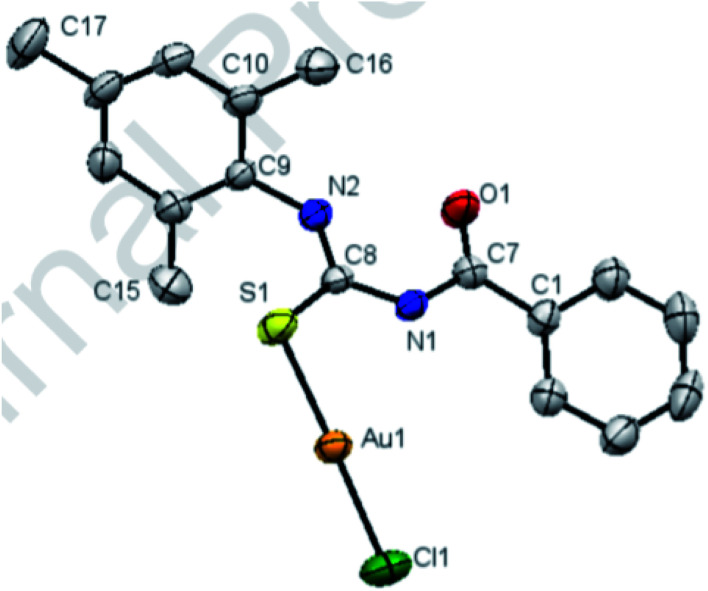
Fig. 12. Molecular structure of complex 54(a), with 50% probability ellipsoids.
Scheme 16
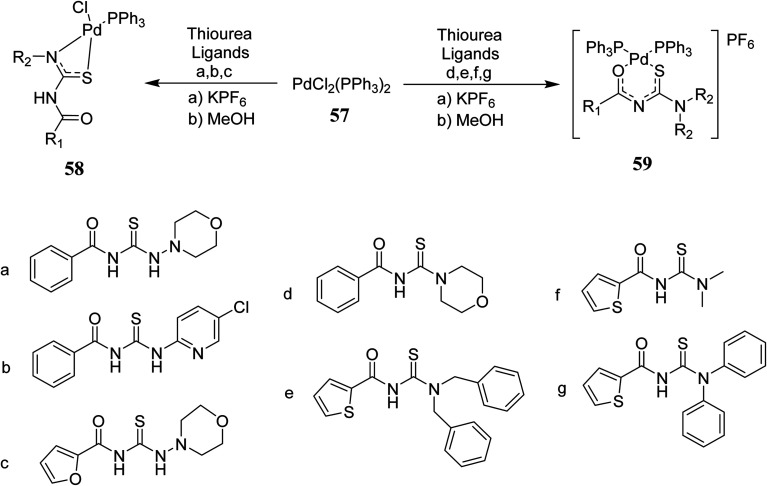
Scheme 16. Reaction for the synthesis of complexes 58(a–c) and 59(d–g).
Fig. 13
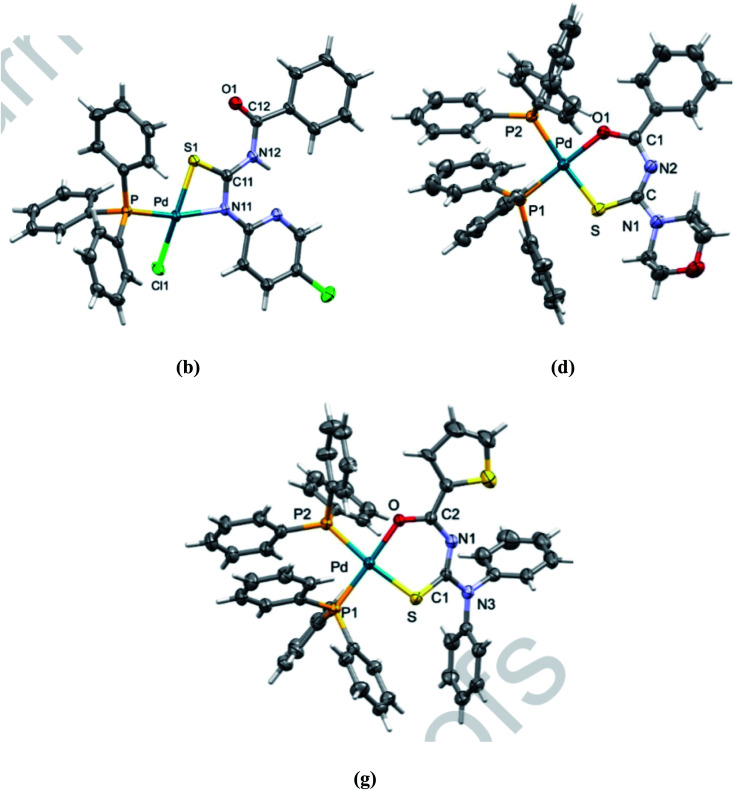
Fig. 13. ORTEP view of the complexes 58(b), 59(d) and 46(g), showing 50% probability ellipsoids.
Scheme 17
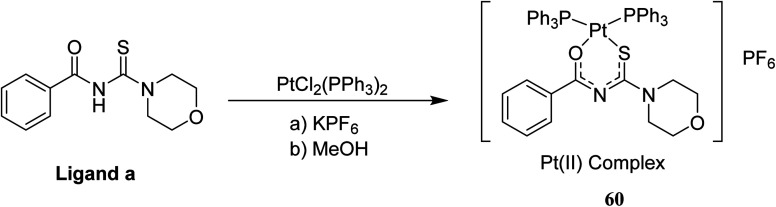
Scheme 17. Synthesis of Pt(ii) complexes with thiourea ligand a.
Fig. 14
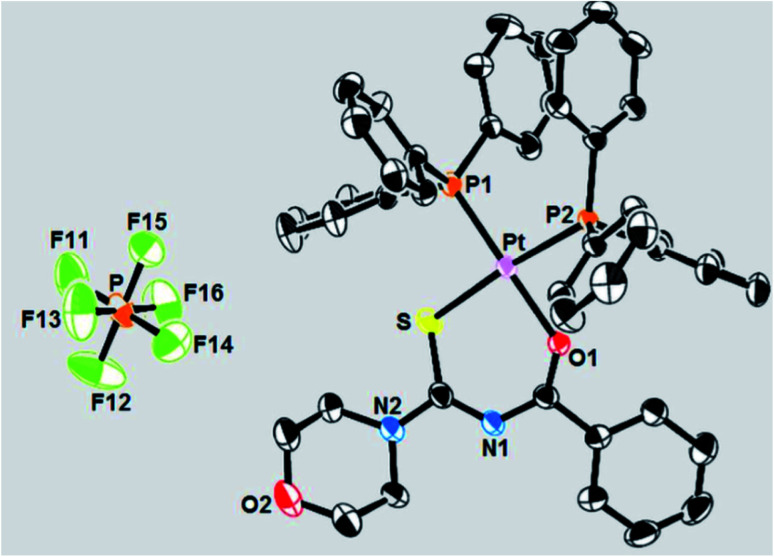
Fig. 14. ORTEP view of the complex 60 showing 30% probability ellipsoids.
Fig. 15
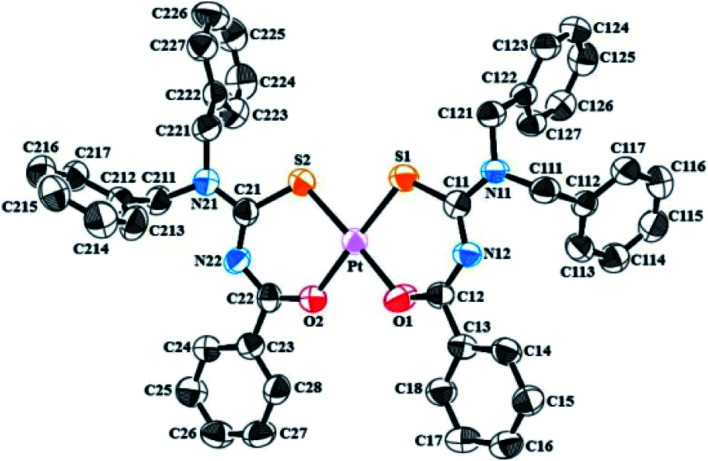
Fig. 15. ORTEP view of the complex showing 50% probability ellipsoids.
Fig. 16
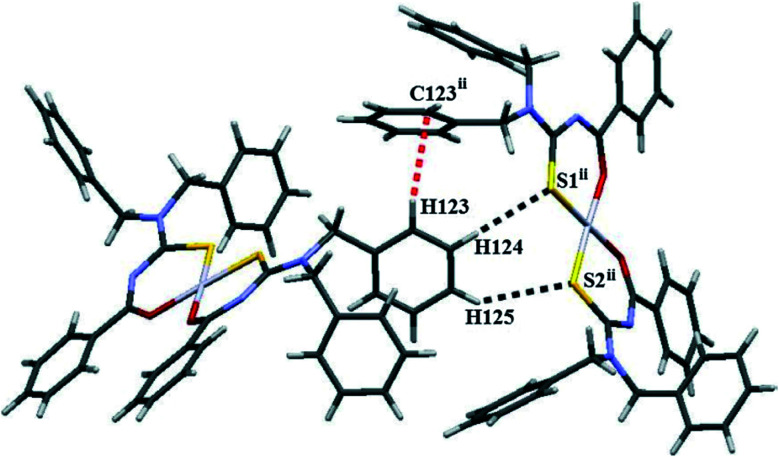
Fig. 16. Molecules in the complex linked by C–H⋯S (black), C–H⋯C(red) and hydrogen bond dashed lines.
Fig. 17
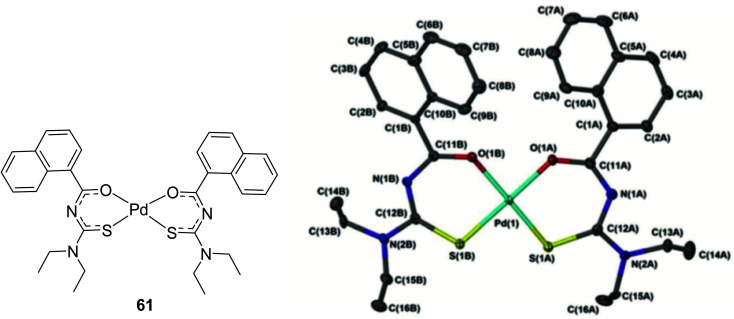
Fig. 17. Molecular structure of cis-[Pd(l-κS,O)2] 61 from single-crystal X-ray diffraction.
Scheme 18
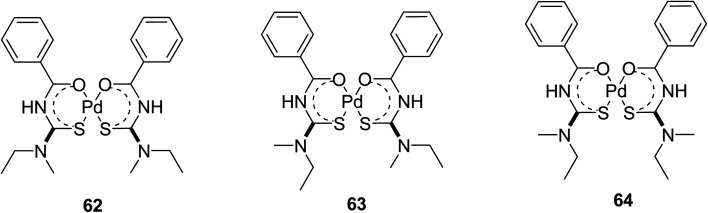
Scheme 18. Structures of cis-EE-[Pd(l-κS,O)2], cic-ZE-[Pd(l-κS,O)2], cic-ZZ-[Pd(l-κS,O)2].
Fig. 18
Fig. 18. Molecular structure from single-crystal X-ray diffraction of 62 isomer of cis-bis(N,N-methyl-ethyl-N′-benzoylthioureato)–palladium(ii).
Scheme 19
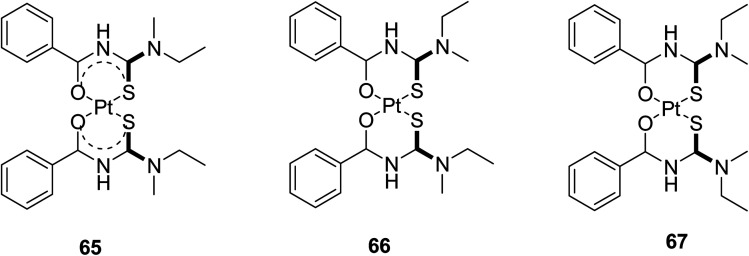
Scheme 19. Structures of cis-ZZ-[Pt(l-κS,O)2], cis-ZE-[Pt(l-κS,O)2], cic-EE-[Pt(l-κS,O)2].
Fig. 19
Fig. 19. Molecular structures from single-crystal X-ray diffraction of (a) 67 and (b) 65.
Scheme 20
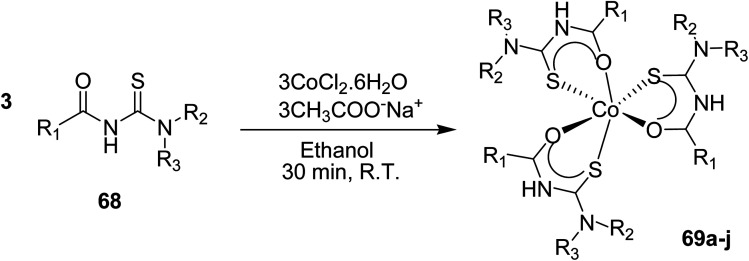
Scheme 20. Synthesis of cobalt complexes 69a–j.
Scheme 21
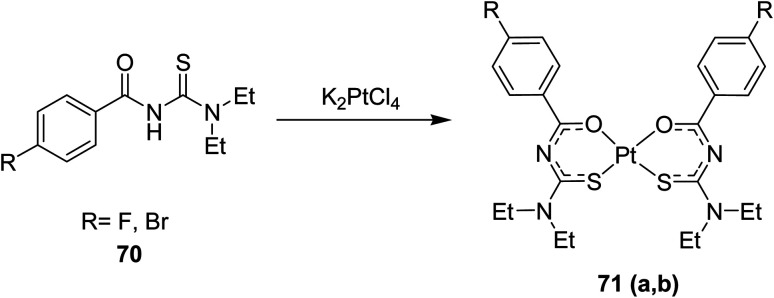
Scheme 21. Synthesis of Pt complexes 71a, b.
Fig. 20
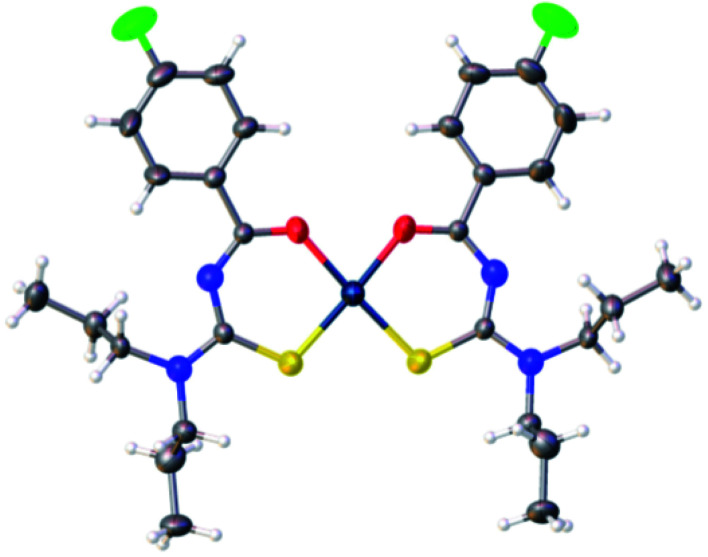
Fig. 20. Molecular structure of complex 71a.
Scheme 22
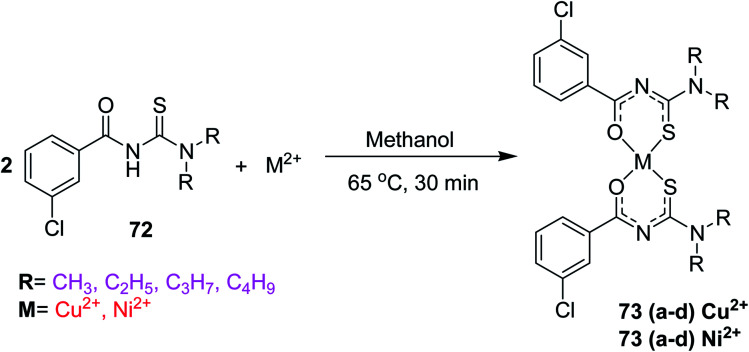
Scheme 22. Synthesis of copper and nickel complexes.
Fig. 21
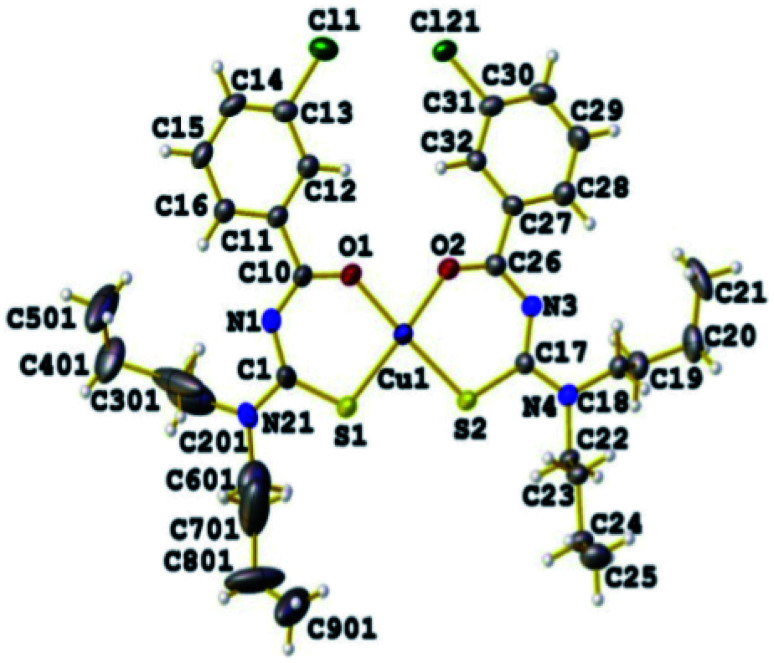
Fig. 21. Molecular structure of bis(N,N-di-n-buthyl-N,-3-chlorobenzoilthioureato) copper(ii) complex 73d.
Scheme 23
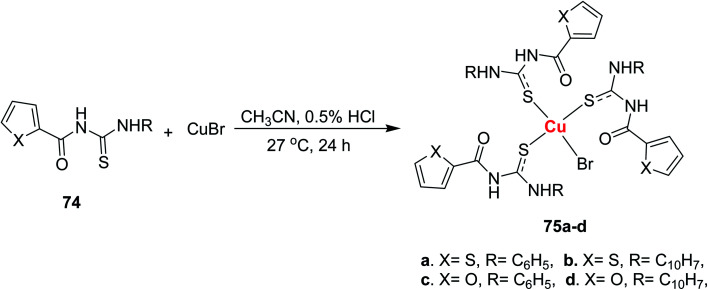
Scheme 23. Synthesis of thiourea copper complexes.
Fig. 22
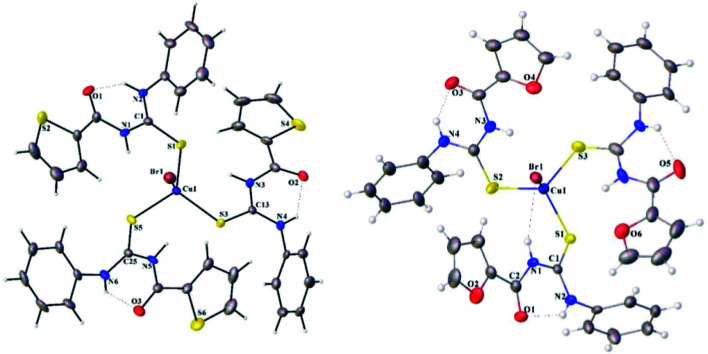
Fig. 22. Molecular structures of complexes 75(a) and (c).
Scheme 24
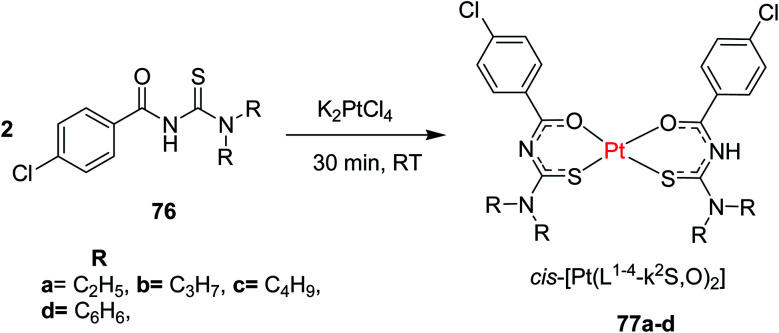
Scheme 24. Synthesis of Pt(ii) complexes 77a–d.
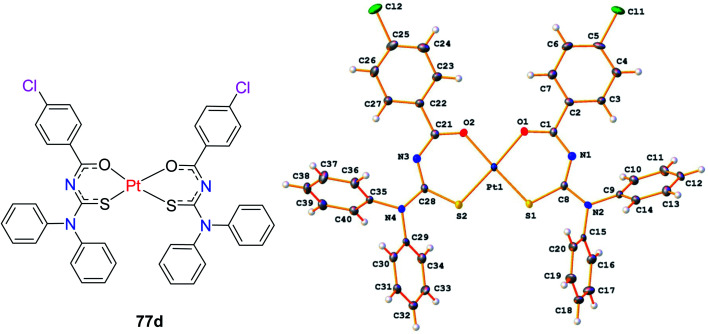
Fig. 23
Fig. 23. Molecular structure of 77d.
Scheme 25
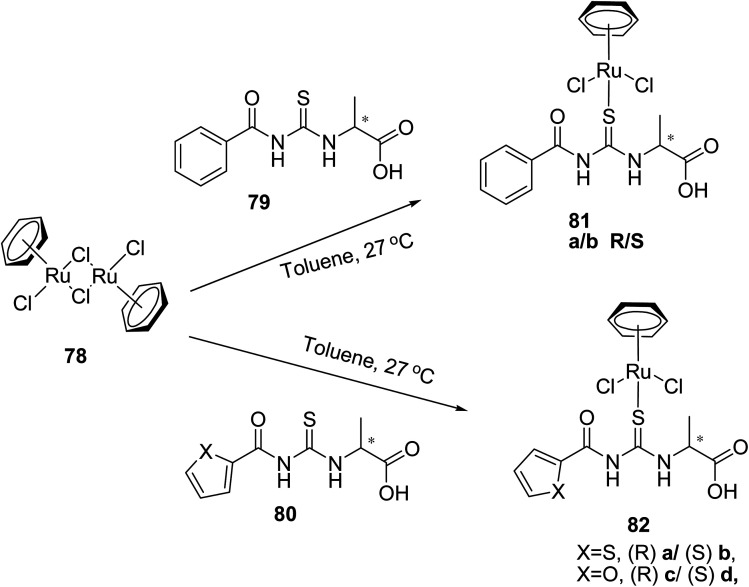
Scheme 25. Synthesis of complexes 81 and 82.
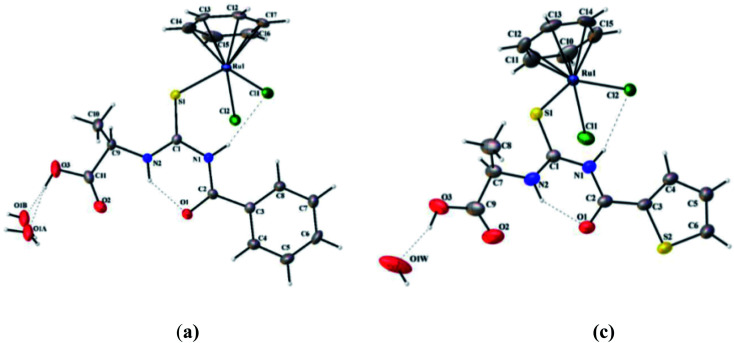
Fig. 24
Fig. 24. Thermal ellipsoidal plot (50% probability level) of compound 81(a) and 82(c).
Scheme 26
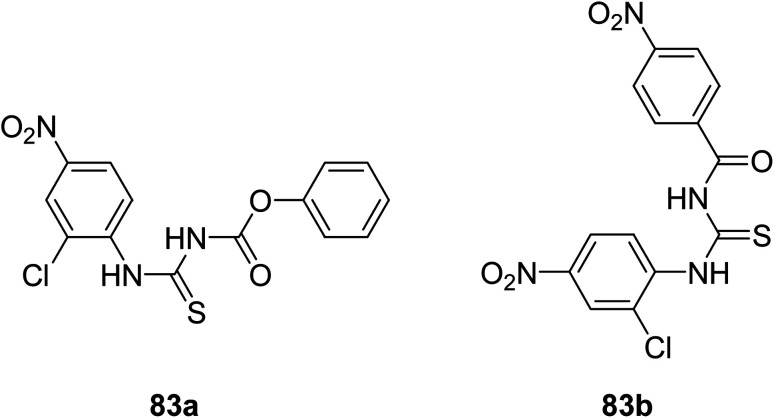
Scheme 26. Structures of 83a–b thioureas.
Scheme 27
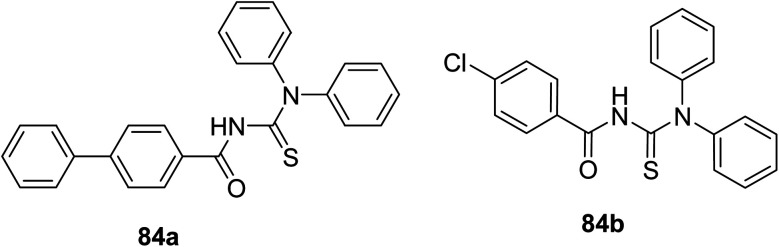
Scheme 27. Thiocarbamides 84a–b.
Scheme 28
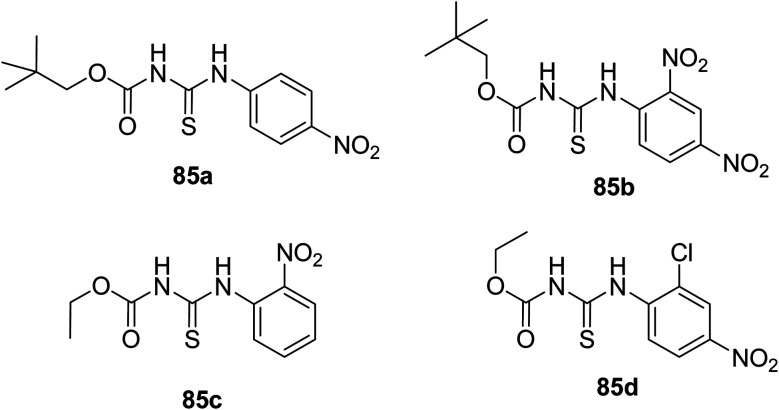
Scheme 28. Structures of 85a–d.
Scheme 29
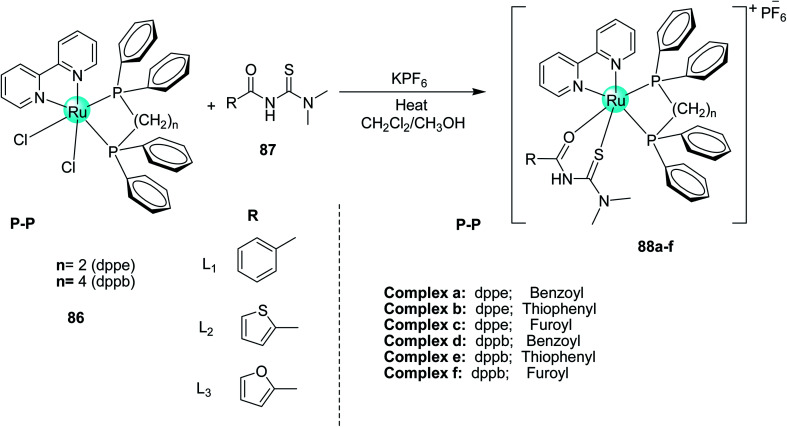
Scheme 29. Synthesis of Ruthenium complexes 88a–f.
Scheme 30
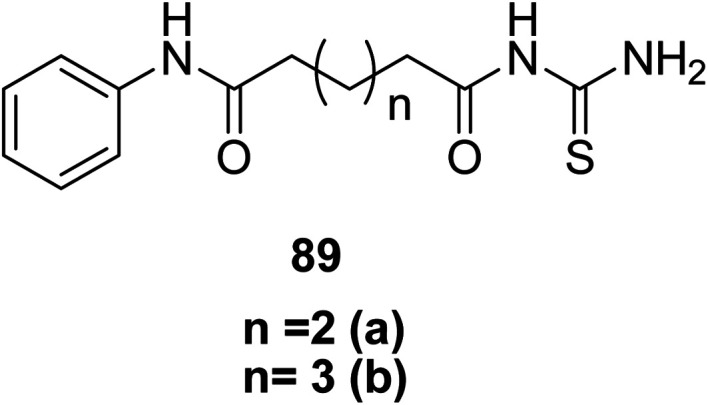
Scheme 30. Acyl thioureas with zinc binding groups.
Scheme 31
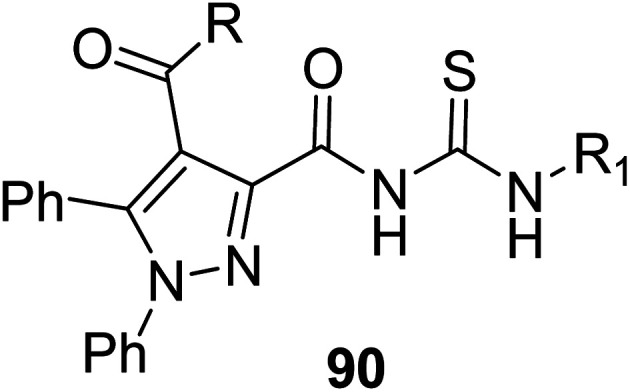
Scheme 31. Pyrazol acylthioureas.
Scheme 32
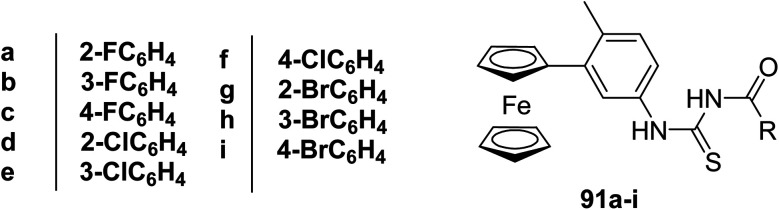
Scheme 32. Ferrocene-based thioureas.
Scheme 33
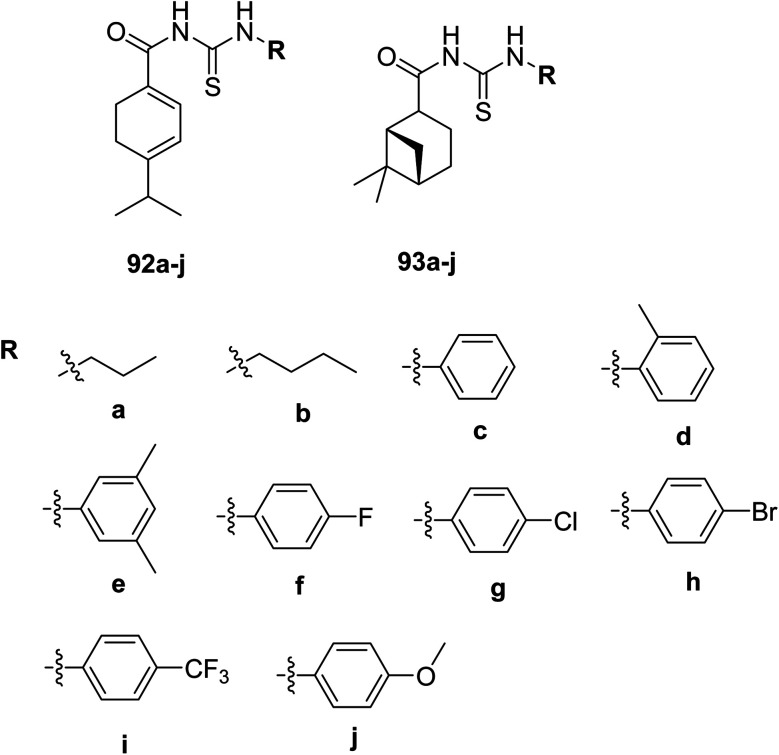
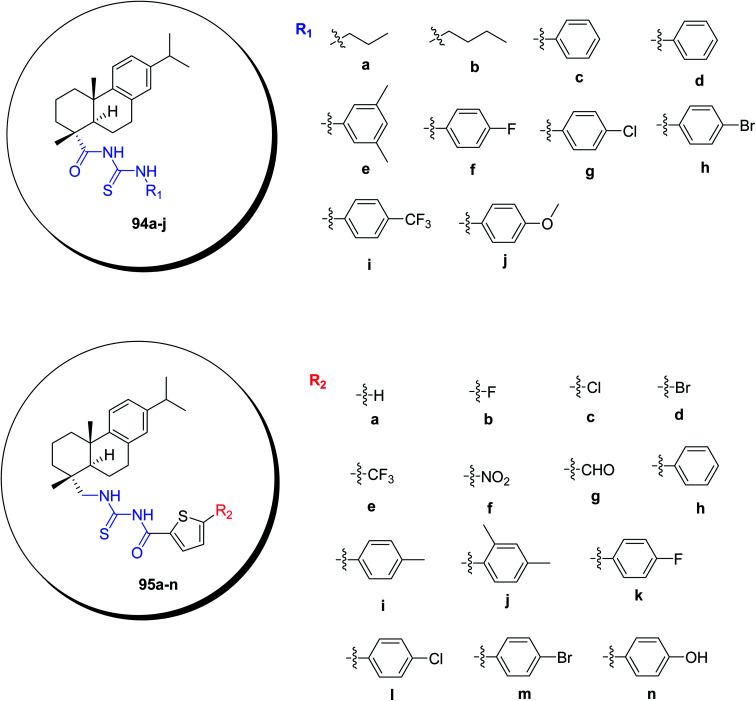
Scheme 33. Terpene based acyl thioureas.
Scheme 34
Scheme 34. Synthesis of dehydroabietyl acyl thioureas.
Scheme 35
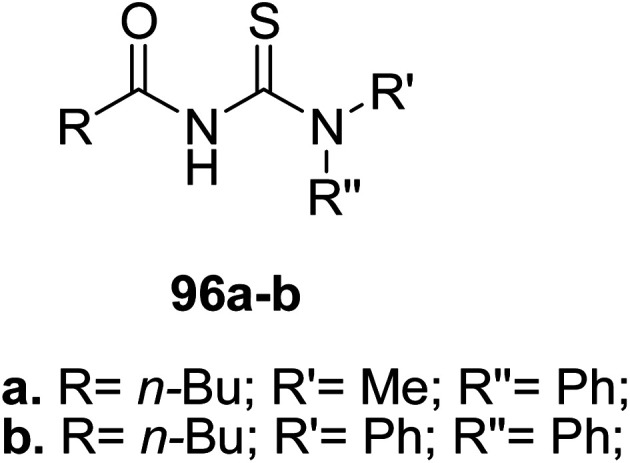
Scheme 35. Thiourea derivatives 96a–b.
Scheme 36
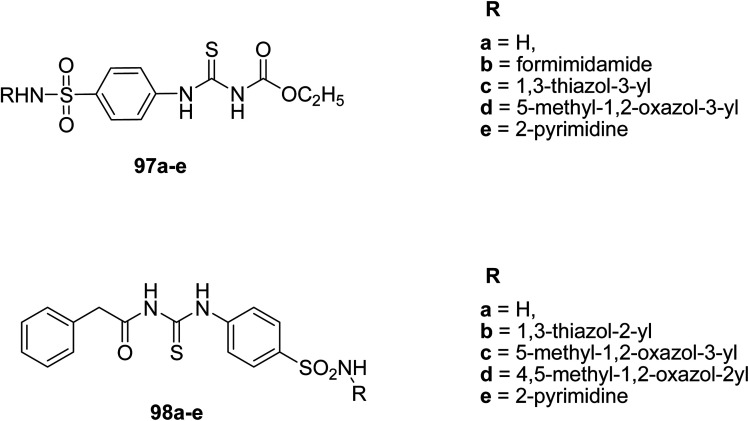
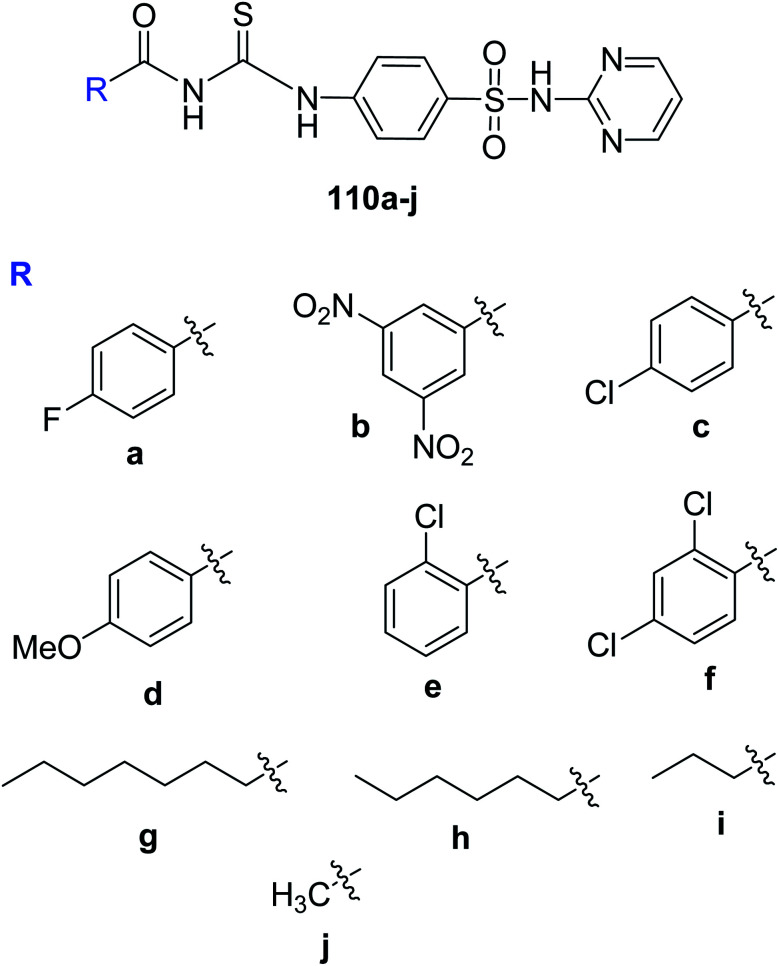
Scheme 36. Thioureas containing sulfonamide.
Scheme 37
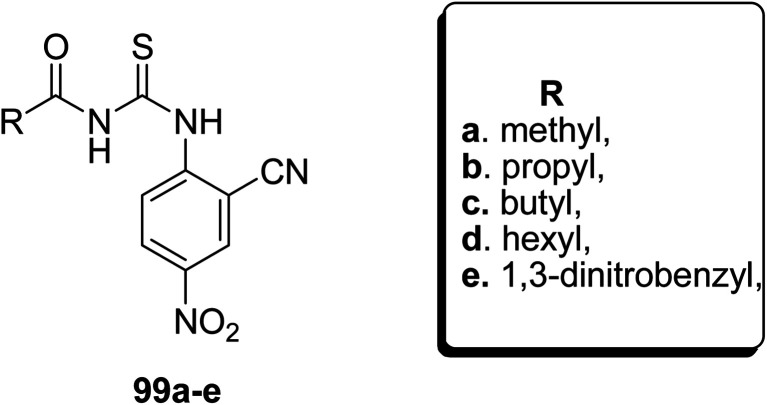
Scheme 37. Thioureas with different alkyl chains.
Scheme 38
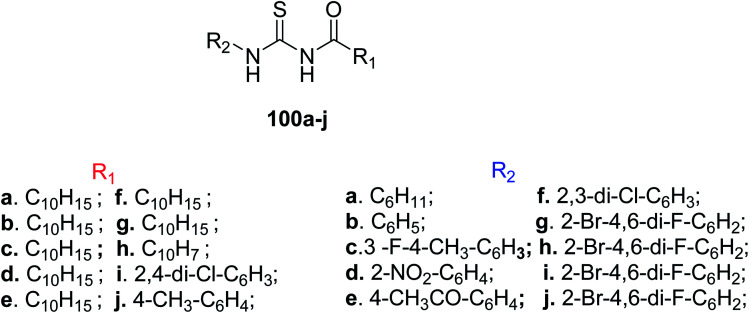
Scheme 38. Thiourea compounds 100a–j.
Scheme 39
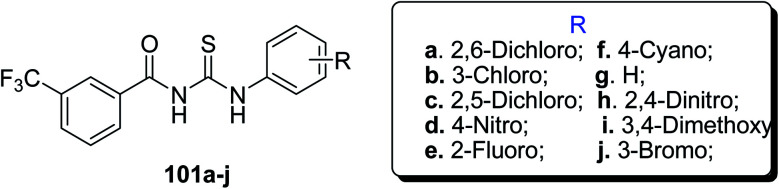
Scheme 39. Thioureas 101a–j.
Scheme 40
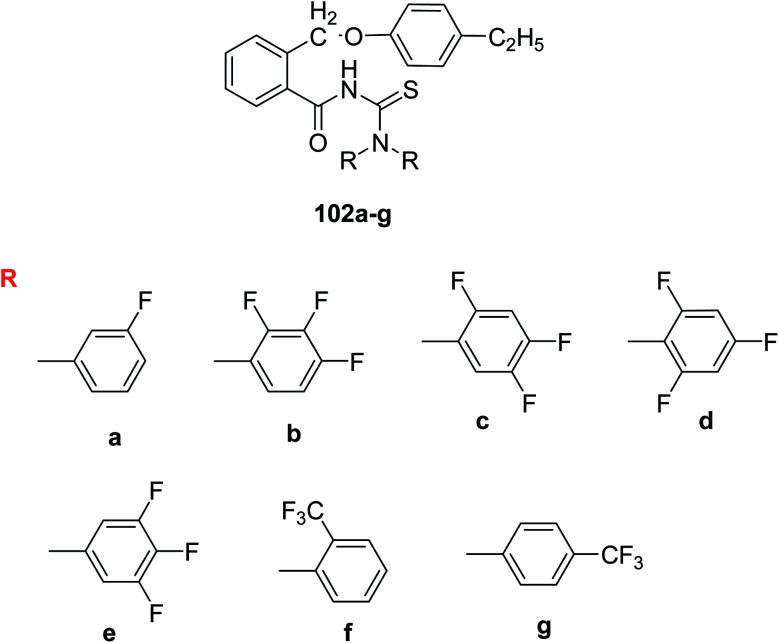
Scheme 40. New benzoyl thiourea derivatives 102a–g.
Scheme 41
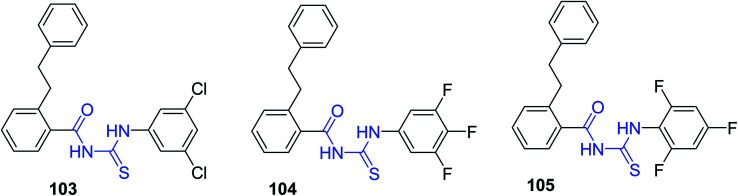
Scheme 41. 2-Phenethylbenzoylthiourea derivatives 103–105.
Scheme 42
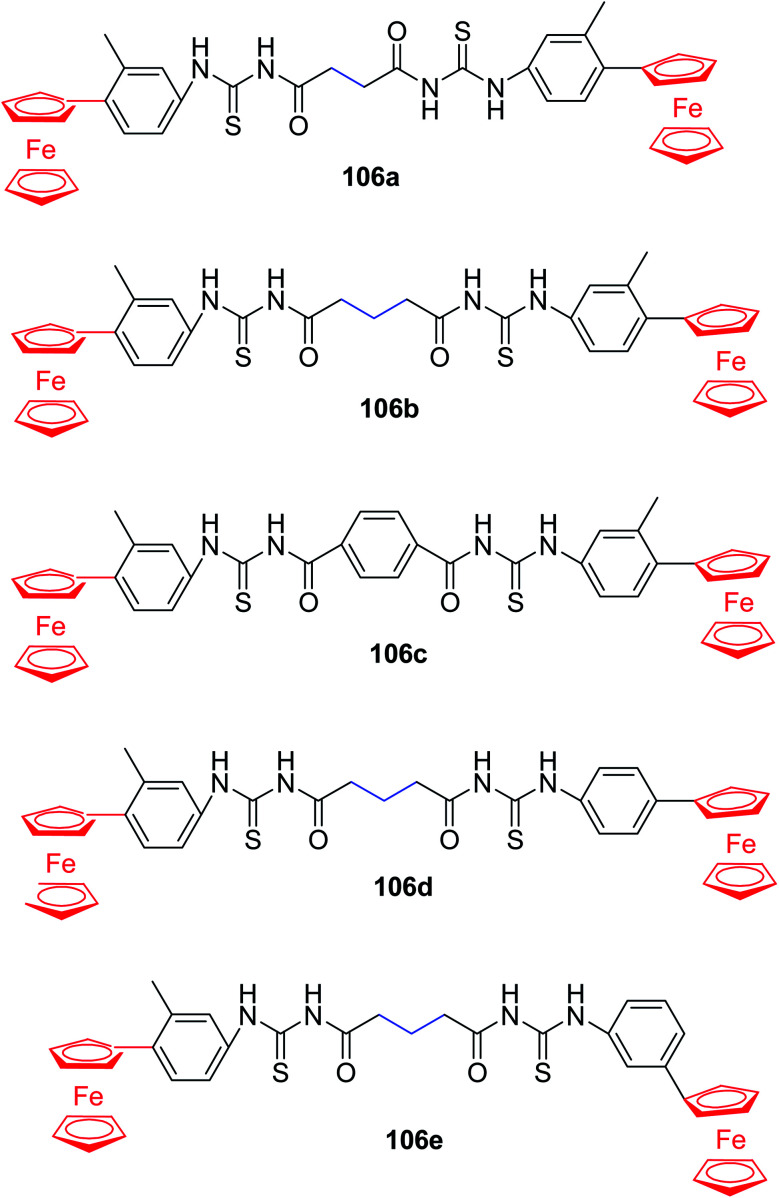
Scheme 42. Bisferrocenylbisthioureas106a–e.
Scheme 43
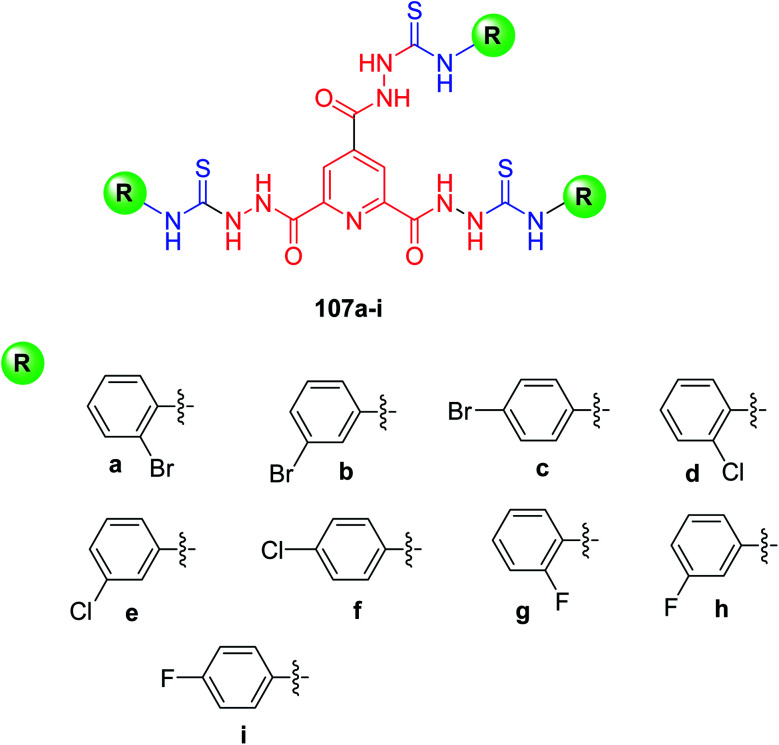
Scheme 43. Pyridine-2,4,6-tricarbohydrazide thiourea derivatives 107a–i.
Scheme 44
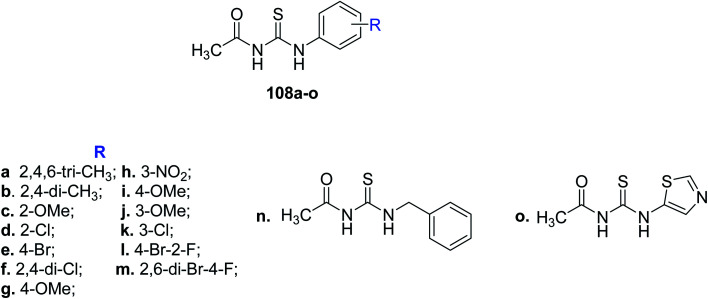
Scheme 44. 1-Acetyl-3-aryl thiourea derivatives 108a–o.
Scheme 45
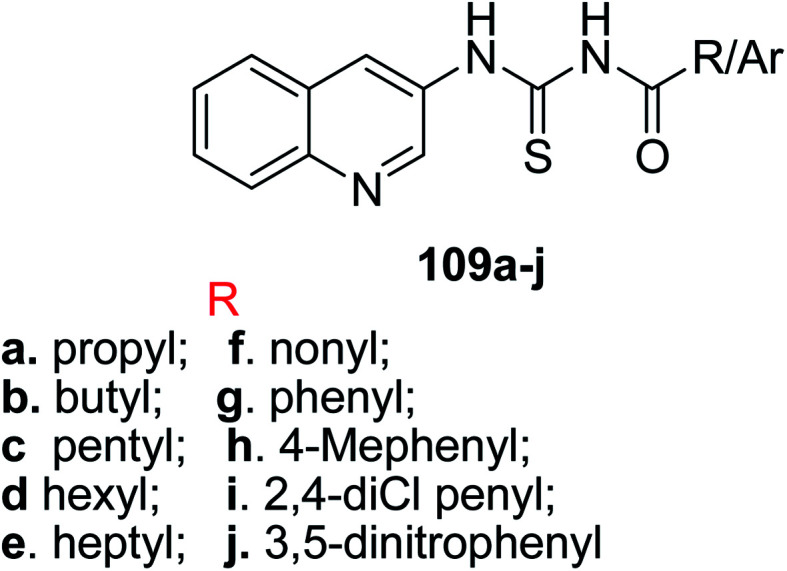
Scheme 45. Quinoline-based thiourea derivatives 109a–j.
Scheme 46
Scheme 46. Thioureas as drug templates.
Scheme 47
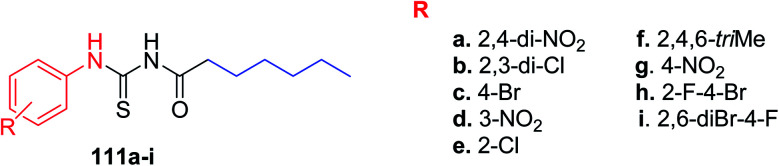
Scheme 47. 1-Heptanoyl-3arylthioureas 111a–i.
Scheme 48
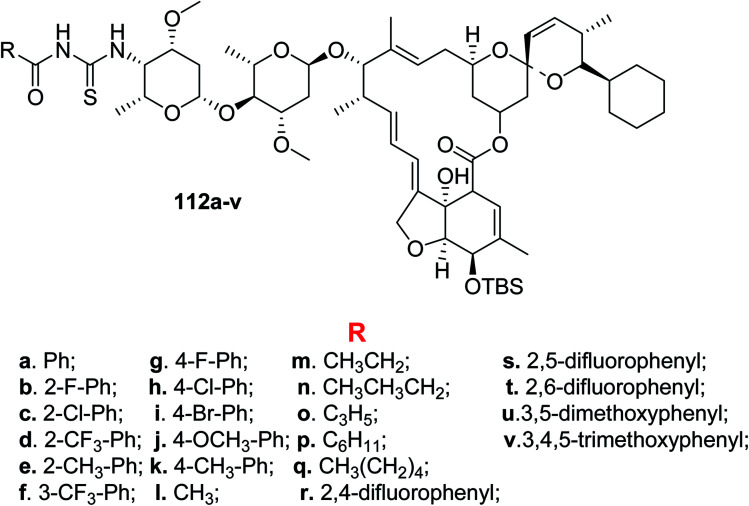
Scheme 48. Thiourea derivatives of doramectin.
Scheme 49
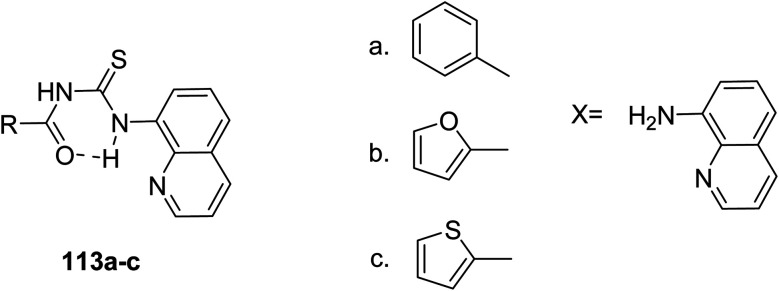
Scheme 49. Thiourea derivatives 113a–c.
Scheme 50
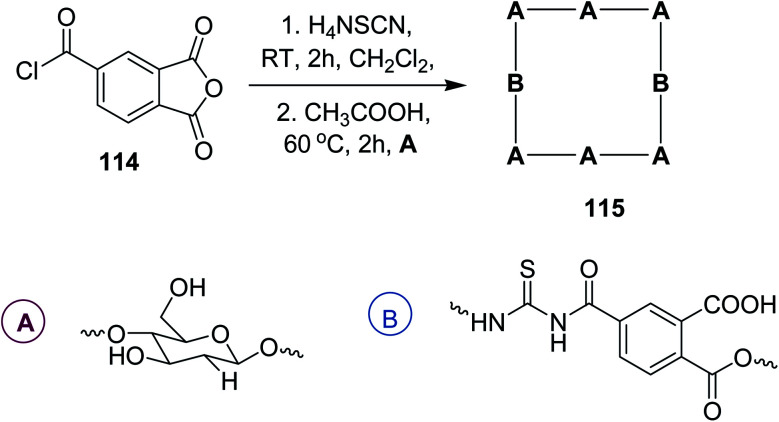
Scheme 50. Cross-linked chitosan hydrogels 115.
Scheme 51
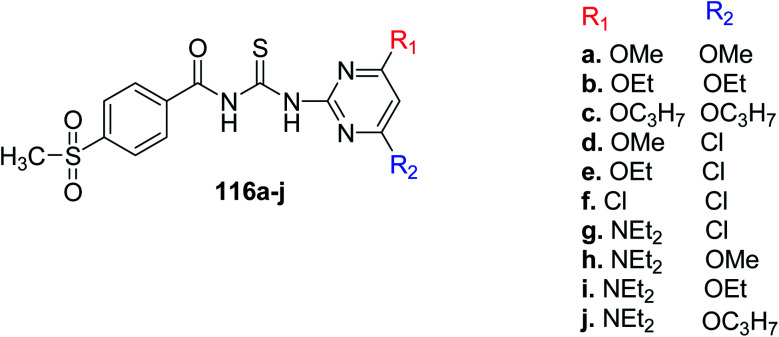
Scheme 51. Thioureas containing substituted pyrimidines 116a–j.
Scheme 52
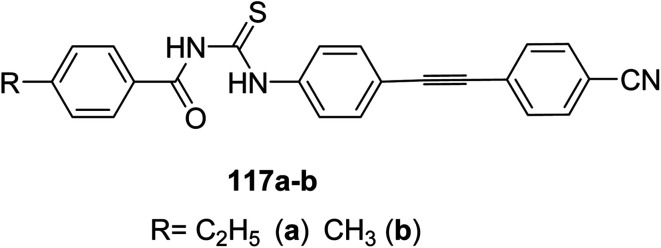
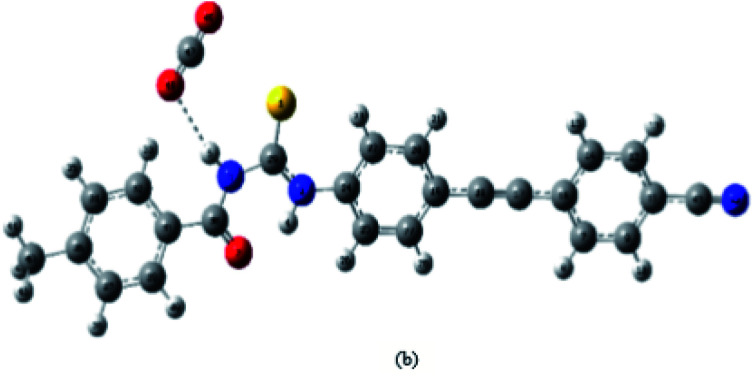
Scheme 52. Thioureas for CO2 sensing.
Fig. 25
Fig. 25. Structures of 112b and its interaction with CO2 analyte.
Scheme 53
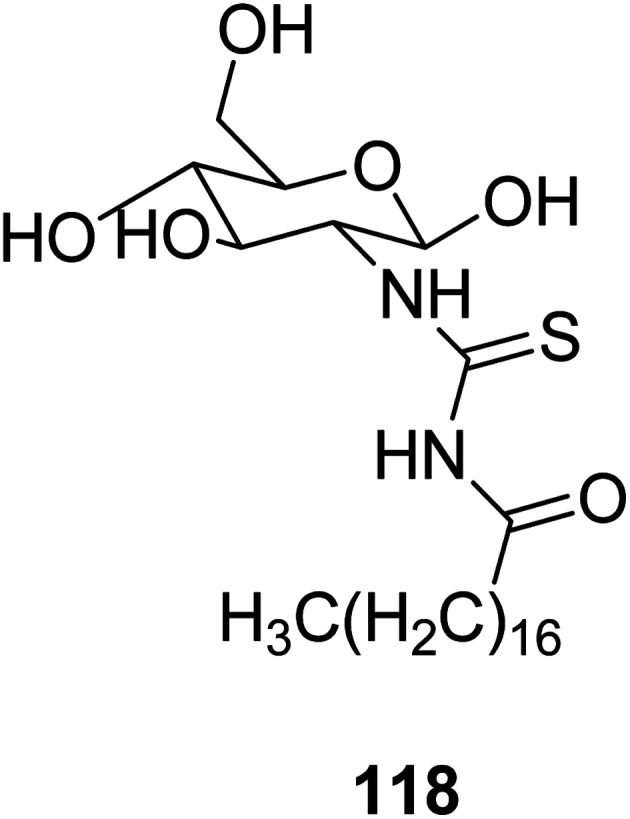
Scheme 53. Steroyl thiourea derivative 118.
Scheme 54
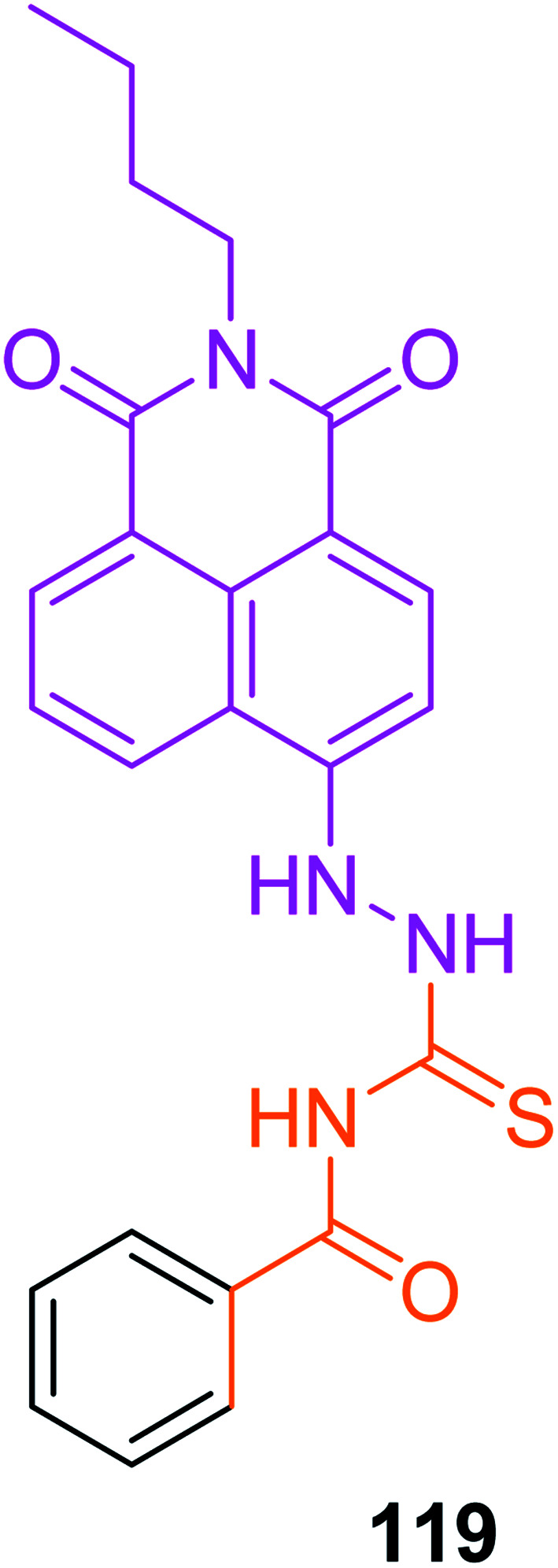
Scheme 54. Thiourea 119.
Scheme 55
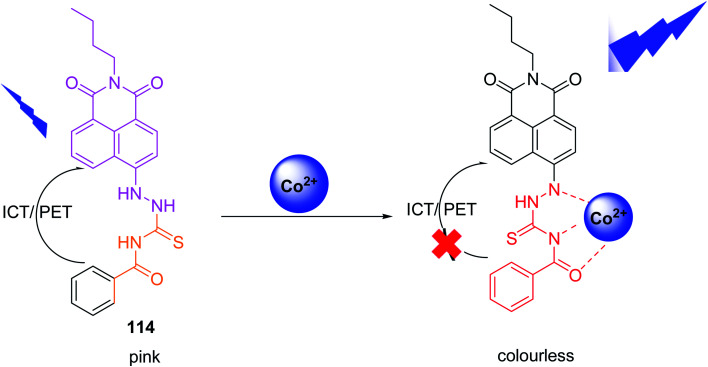
Scheme 55. Sensing mechanism of Co2+ by 119 and structure of 119–Co2+ complex.
Fig. 26
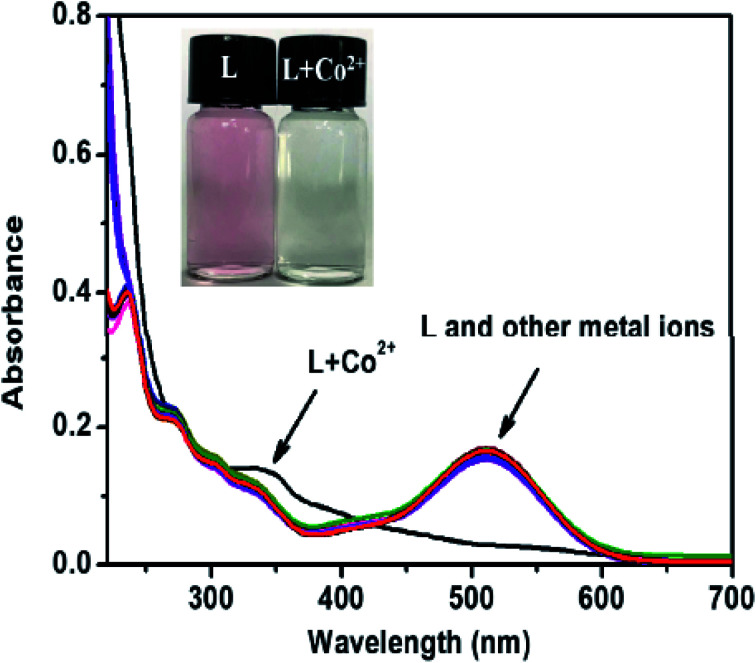
Fig. 26. UV-vis absorption spectra of 119 upon addition of 5 equiv. of salts (Na+, K+, Ag+, Cu+, Mg2+, Zn2+, Ca2+, Sn2+, Cu2+, Ni2+, Mn2+, Pb2+, Cd2+, Ba2+, Hg2+, Fe2+, Co2+, Fe3+, Al3+ and Cr3+ in a CH3CN/HEPES. Colorimetric response of 119 with Co2+.
Fig. 27
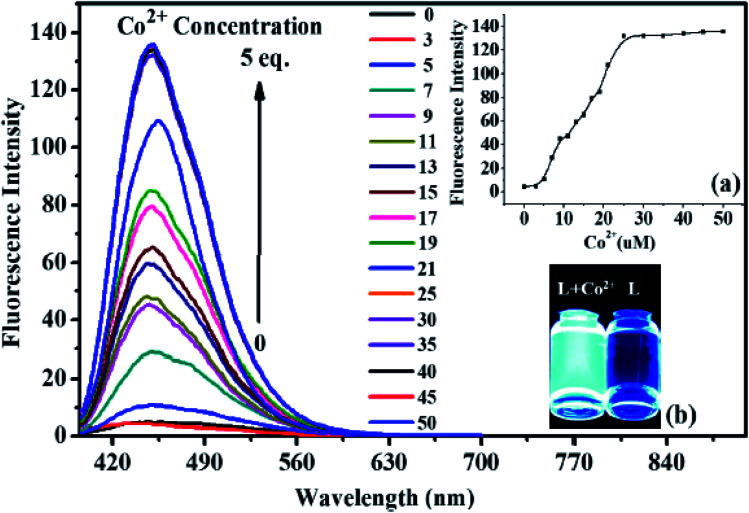
Fig. 27. Fluorescence spectra of 119 (1 × 10⁻⁵ mol L−1, λex = 380 nm) after the amounts of Co2+ from 0–5 equiv. in CH3CN/HEPES at Rt. (a) fluorescence titration curve (b) the color change of complex by UV light of 119 and on addition of cobalt ion (5 equiv.) pH = 7.
Scheme 56
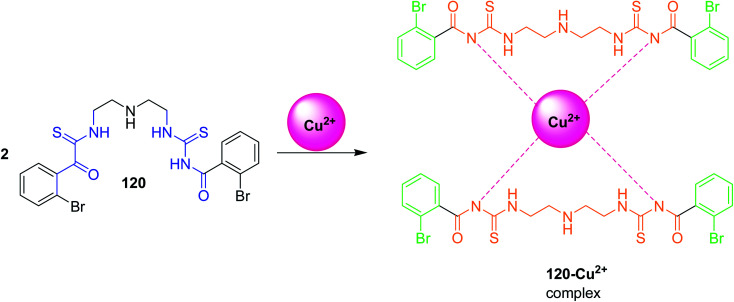
Scheme 56. Sensor 120 and its complex with Cu2+.
Fig. 28
Fig. 28. Colour change by addition of several ions to the sensor 120 free sensor, Co2+, Fe2+, Ni2+, Mn2+, Cr3+, Zn2+, Cu2+ (left to right).
Fig. 29
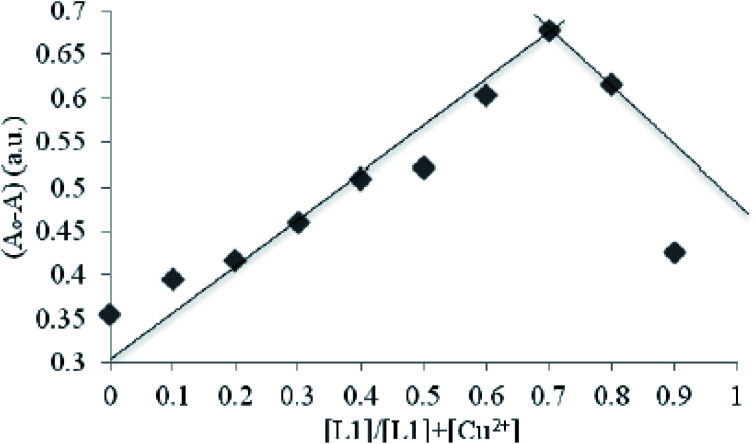
Fig. 29. Job's plot to confirm the ratio of sensor and copper ions 2 : 1.
Scheme 57
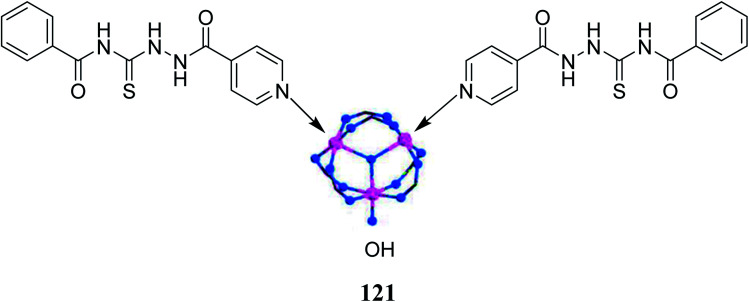
Scheme 57. Thiourea-grafted MIL-101(Cr) 121.

References

    1. Hollmann K. Oppermann A. Witte M. Li S. Amen M. Flörke U. Egold H. Henkel G. Herres-Pawlis S. Copper (I) complexes with thiourea derivatives as ligands: revealing secrets of their bonding scheme. Eur. J. Inorg. Chem. 2017;9:1266–1279.
    1. Andrés J. M. Maestro A. Valle M. Pedrosa R. Chiral Bifunctional Thioureas and Squaramides and Their Copolymers as Recoverable Organocatalysts. Stereoselective Synthesis of 2-Substituted 4-Amino-3-nitrobenzopyrans and 3-Functionalized 3, 4-Diamino-4 H-Chromenes. J. Org. Chem. 2018;83:5546–5557. - PubMed
    1. Parvin T. Yadav R. Choudhury L. H. Recent applications of thiourea-based organocatalysts in asymmetric multicomponent reactions (AMCRs) Org. Biomol. Chem. 2020;18:5513–5532. - PubMed
    1. Li J.-h. Wang Y. Wu Y.-p. Li R.-h. Liang S. Zhang J. Zhu Y.-g. Xie B.-j. Synthesis, herbicidal activity study and molecular docking of novel pyrimidine thiourea. Pestic. Biochem. Physiol. 2021;172:104766. - PubMed
    1. Lambert W. T. Goldsmith M. E. Sparks T. C. Insecticidal activity of novel thioureas and isothioureas. Pest Manage. Sci. 2017;73:743–751. - PubMed