


The prognostic values of thyroid disorders in predicting COVID-19 composite poor outcomes: A systematic review and meta-analysis
- PMID: 35508091
- PMCID: PMC8930180
- DOI: 10.1016/j.dsx.2022.102464
The prognostic values of thyroid disorders in predicting COVID-19 composite poor outcomes: A systematic review and meta-analysis
Abstract
Background and aims: In this meta-analysis, we aimed to evaluate the prognostic properties of thyroid disorder during admission on poor prognosis and factors that may influence the relationship in patients with COVID-19.
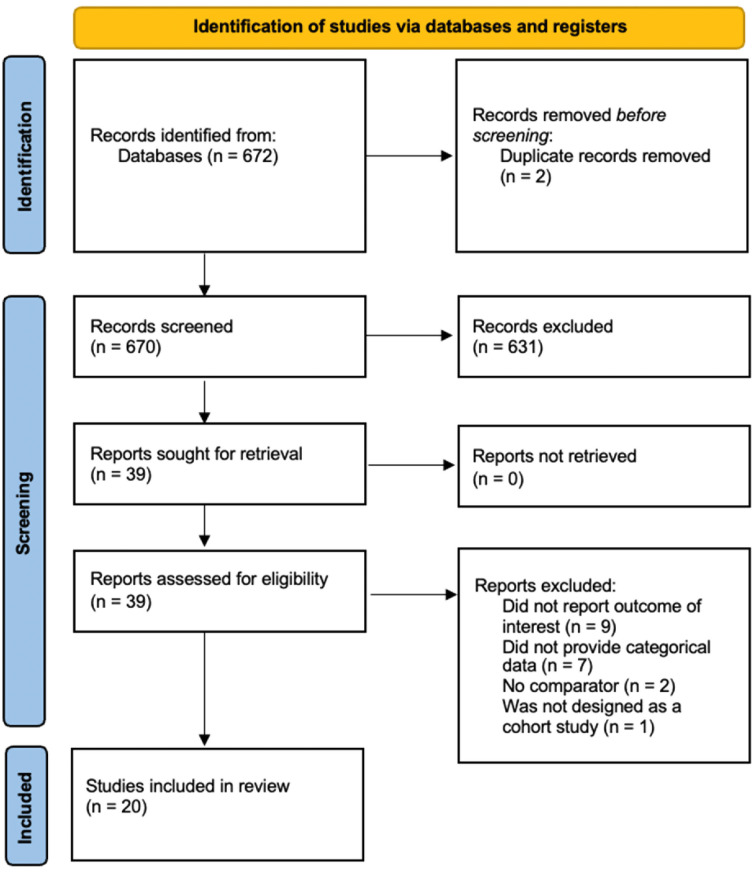
Methods: A systematic literature search of PubMed, EBSCO, and CENTRAL was conducted from inception to August 27, 2021. The main exposure was unspecified and specified thyroid disorders-hypothyroidism or hypothyroidism. The outcome of interest was the COVID-19 composite poor outcome that comprises of severity, mortality, ICU admission, and hospitalization.
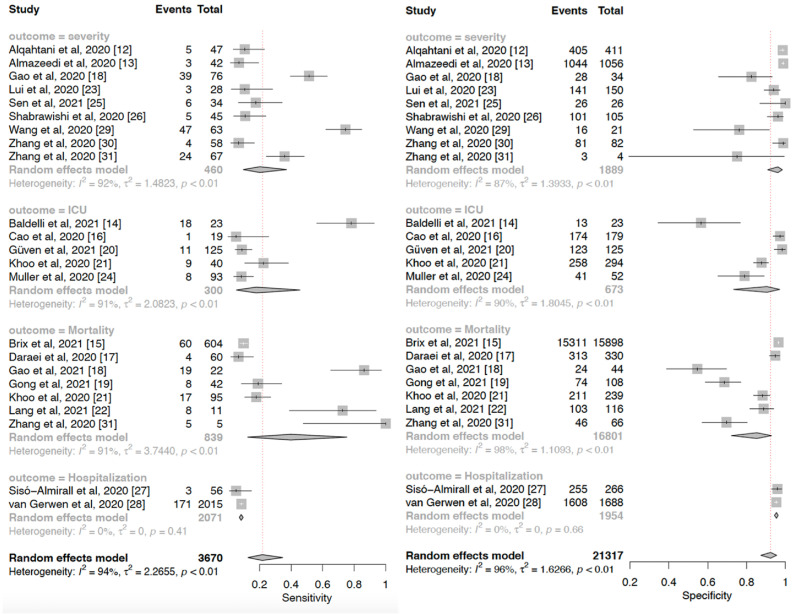
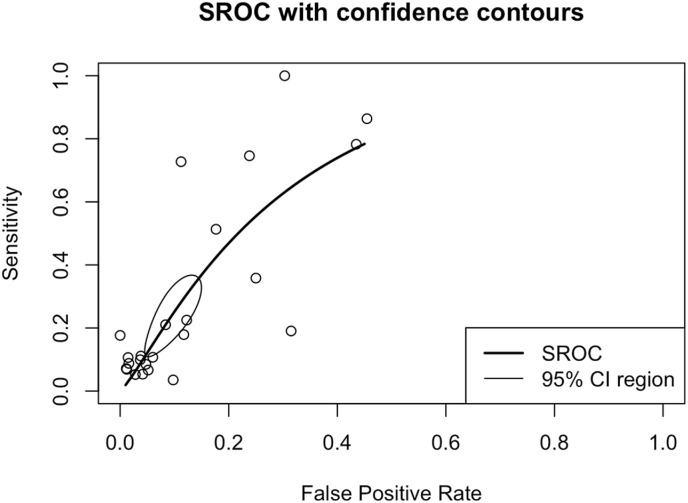
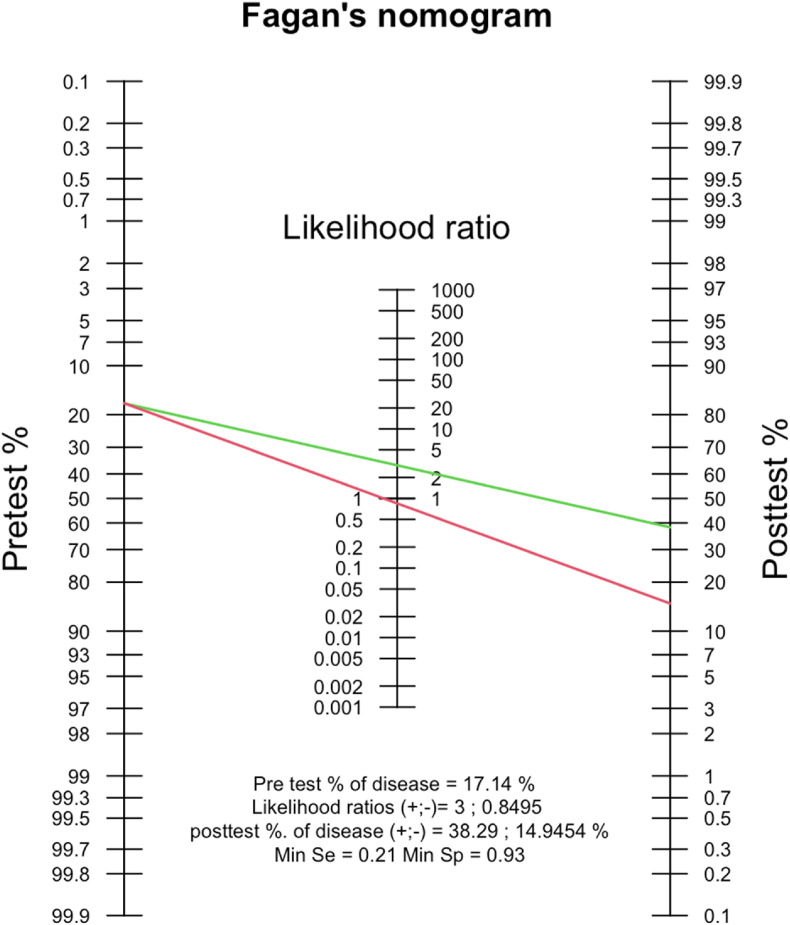
Results: There were 24,734 patients from 20 studies. Meta-analysis showed that thyroid disorder was associated with composite poor outcome (OR 2.87 (95% CI 2.04-4.04), p < 0.001; I2 = 62.4%, p < 0.001). Meta regression showed that age (p = 0.047) and hypertension (p = 0.01), but not gender (p = 0.15), DM (p = 0.10), CAD/CVD (p = 0.38), obesity (p = 0.84), and COPD (p = 0.07) affected the association. Subgroup analysis showed that thyroid disorder increased risk of severe COVID-19 (OR 5.13 (95% CI 3.22-8.17), p < 0.05; I2 = 0%, p = 0.70) and mortality (OR 2.78 (95%CI 1.31-5.90), p < 0.05; I2 = 80%, p < 0.01). Pooled diagnostic analysis of thyroid disorder yielded a sensitivity of 0.22 (0.13-0.35), specificity of 0.92 (0.87-0.95), and AUC of 0.72. The probability of poor outcome was 38% in patients with thyroid disorder and 15% in patients without thyroid abnormality.
Conclusion: On-admission thyroid disorder was associated with poor prognosis in COVID-19 patients.
Keywords: COVID-19; Hypothyroidism; Prognosis; Thyroid disorder.
Copyright © 2022 Diabetes India. Published by Elsevier Ltd. All rights reserved.
Conflict of interest statement
Declaration of competing interest The authors declare that there is no conflict of interest.
Figures
References
Publication types
MeSH terms
LinkOut - more resources
Full Text Sources
Medical
Miscellaneous
