


Adverse Health Effects Related to Shift Work Patterns and Work Schedule Tolerance in Emergency Medical Services Personnel: A Scoping Review
- PMID: 35509733
- PMCID: PMC9060748
- DOI: 10.7759/cureus.23730
Adverse Health Effects Related to Shift Work Patterns and Work Schedule Tolerance in Emergency Medical Services Personnel: A Scoping Review
Abstract
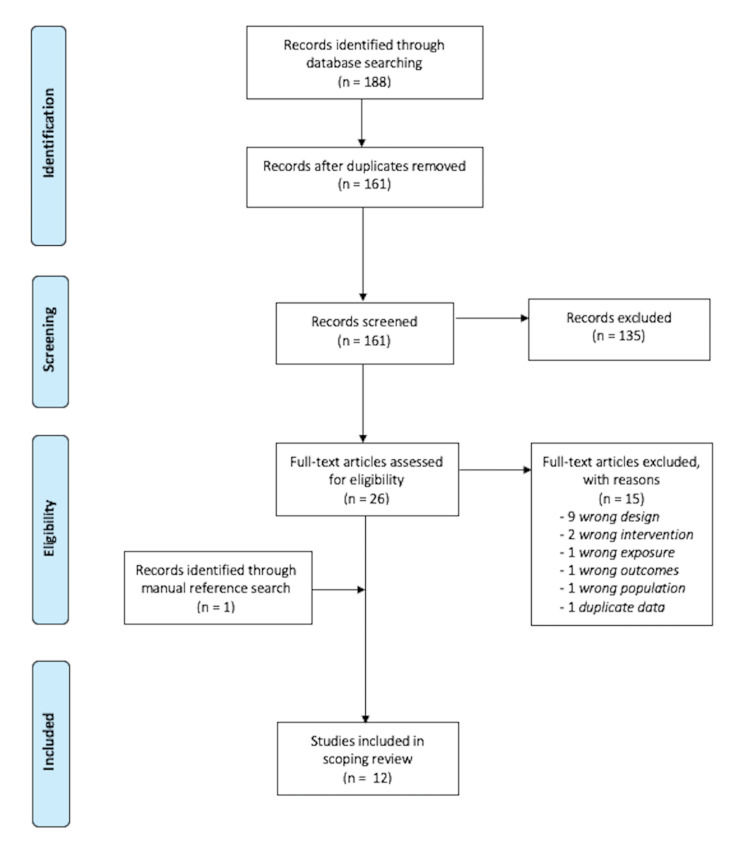
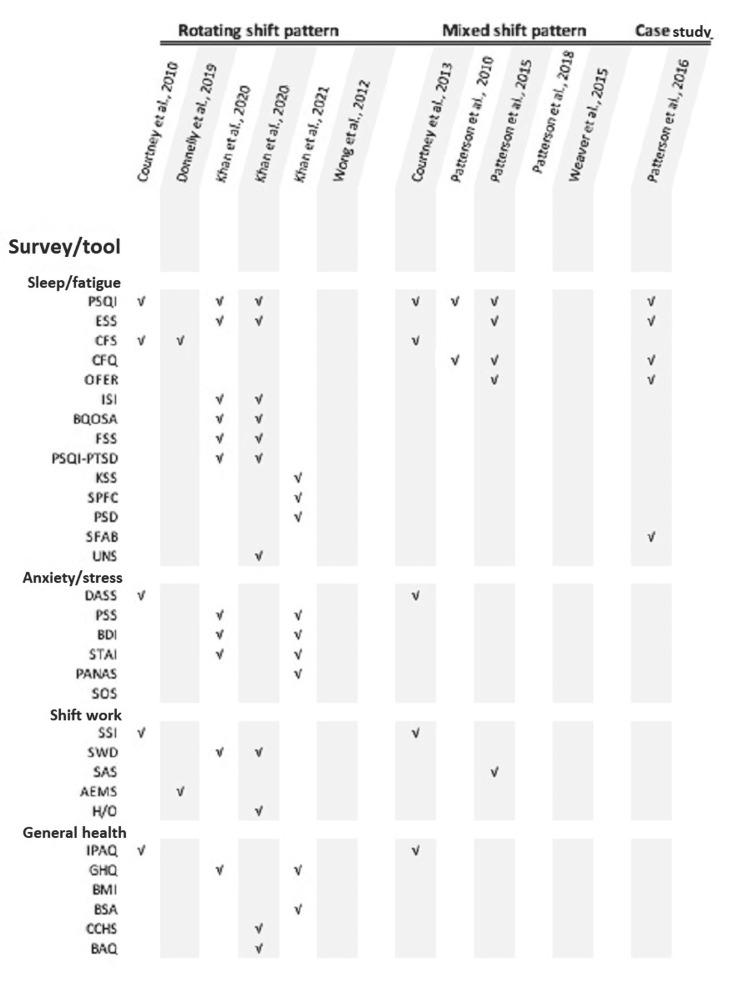
Paramedicine as a profession is continually evolving in clinical practice, responsibilities, and workload. Changes over time in both population demographics and distribution have altered the demand for, and availability of, prehospital emergency medical services (EMS). These factors may also affect scheduling policies in many EMS organizations. However, there is little evidence that suggests optimal shift scheduling patterns to reduce adverse health events such as increased stress or fatigue in prehospital emergency health care providers. Our objective was to describe associations between variations in shift scheduling patterns and EMS provider health outcomes, such as fatigue, stress, sleep quality, and general mental and physiological health. We also sought to identify knowledge gaps. We performed searches of PubMed, CINAHL, Embase, and Cochrane databases for primary studies, systematic reviews, and meta-analyses published between January 2000 and December 2020. Studies reporting measurable health care outcomes in prehospital personnel with defined shift schedule patterns in land-based ambulance systems were included. Our search strategy yielded 188 studies, of which 11 met eligibility criteria (eight cross-sectional surveys, one single case report, one retrospective cohort study, one prospective cohort study, and one systematic review), with one additional study found through reference list screening, leaving 12 studies for review. All publications contained a description of shift schedule characteristics and shared similar outcomes of interest, although there was variation in comparators and assessment of outcomes. Most studies showed high rates of fatigue, stress, mental health concerns, and negative general health outcomes in paramedic shift worker populations. The case study reported improved fatigue, alertness, and sleep quality levels following a switch from a 24-hour shift pattern to an eight-hour shift. We did not complete an in-depth risk of bias assessment for any of the studies. Melnyk evidence ratings varied from IV to VI, indicating a low quality of evidence evaluating the impacts of shift schedule patterns in paramedics, with the retrospective cohort study design, ranked as IV, systematic review as a V, and prospective cohort study, case report and surveys ranked as VI. The low quality and quantity of evidence indicate the need for further research to definitively assess relationships between specific schedule patterns and health outcomes.
Keywords: emergency medical services; fatigue; health; paramedicine; shift work; shift work tolerance; sleep; stress; work schedule.
Copyright © 2022, Barth et al.
Conflict of interest statement
The authors have declared that no competing interests exist.
Figures
References
-
- Shifting schedules: the health effects of reorganizing shift work. Bambra CL, Whitehead MM, Sowden AJ, Akers J, Petticrew MP. Am J Prev Med. 2008;34:427–434. - PubMed
-
- Caring for the carers: fatigue, sleep, and mental health in Australian paramedic shiftworkers. Courtney JA, Francis AJP, Paxton SJ. Australas J Organ Psychol. 2010;3:32–41. - PubMed
Publication types
LinkOut - more resources
Full Text Sources
Miscellaneous