


Prevalence of postpartum depression and antenatal anxiety symptoms during COVID-19 pandemic: An observational prospective cohort study in Greece
- PMID: 35509983
- PMCID: PMC9006185
- DOI: 10.18332/ejm/146233
Prevalence of postpartum depression and antenatal anxiety symptoms during COVID-19 pandemic: An observational prospective cohort study in Greece
Abstract
Introduction: A significant proportion of pregnant women and women in the early postpartum period suffer from mental health problems. The COVID-19 pandemic represents a unique stressor during this period and many studies across the world have shown elevated rates of postpartum depression (PPD).
Methods: In this multicenter two-phase observational prospective cohort study, we aim to assess the prevalence of anxiety prior to labor (Generalized Anxiety Disorder-7), as well as PPD at 6-8 weeks postpartum using the Edinburgh Postnatal Depression Scale (EPDS).
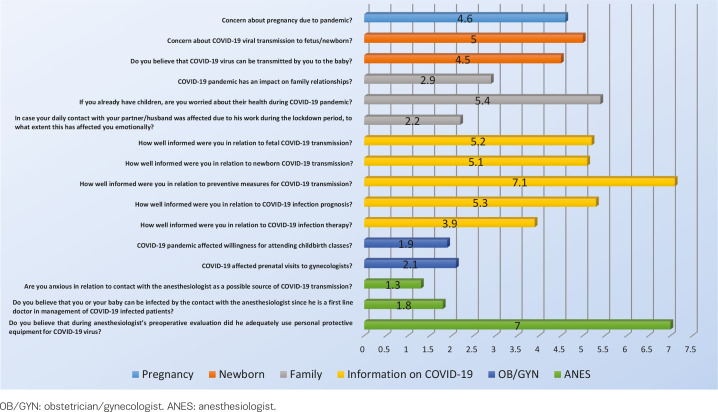
Results: Of the 330 women analyzed, 13.2% reported symptoms of depression using EPDS cut-off score ≥13. High antenatal levels of anxiety (24.8% scored ≥10 in GAD-7) were documented. A significant proportion of postpartum women reported a decrease in willingness to attend antenatal education courses (36%) and fewer antenatal visits to their obstetrician (34%) due to pandemic. Higher antenatal anxiety increased the odds of being depressed at 6-8 weeks postpartum (EPDS ≥13).
Conclusions: Compared to reported prevalence of PPD from previous studies before the COVID-19 era in Greece, we did not find elevated rates during the first wave of the pandemic. High anxiety levels were observed indicating that there is a need for close monitoring in pregnancy during the pandemic and anxiety screening to identify women who need support in the pandemic era. A well-planned maternity program should be employed by all the associated care providers to maintain the proper antenatal care adjusted to the pandemic strains as well as a follow-up after labor.
Keywords: COVID-19; Edinburgh Postnatal Depression Scale (EPDS); anxiety; postpartum depression.
© 2022 Micha G. et al.
Conflict of interest statement
The authors have completed and submitted the ICMJE Form for Disclosure of Potential Conflicts of Interest and none was reported.
Figures
References
LinkOut - more resources
Full Text Sources